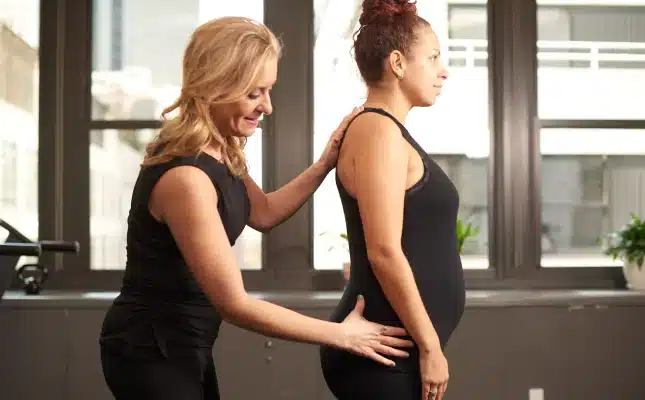
Bloating Relief in Downtown, NY
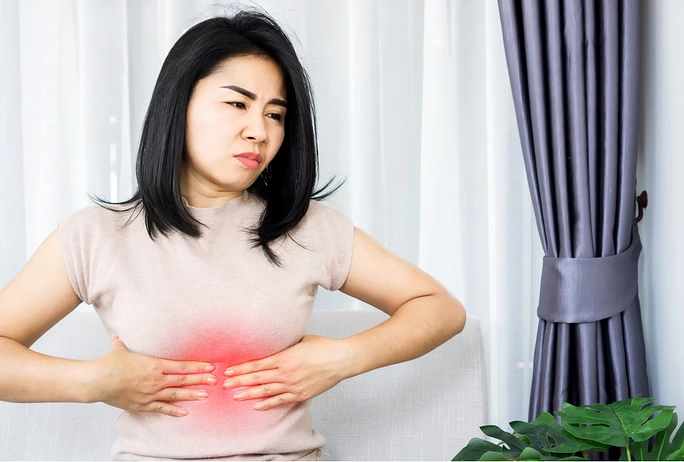
Patients in Downtown, NY often describe bloating as a disruptive and frustrating symptom that extends beyond simple digestive discomfort. The persistent feeling of abdominal heaviness can make commuting, working, exercising, or dining out less enjoyable. While bloating is frequently linked to digestive processes, it is also influenced by how well the abdominal wall, diaphragm, and pelvic floor work together to manage pressure and movement within the abdomen.
The pelvic floor has an essential role in bowel coordination and the controlled release of gas and stool. When these muscles are tight, weak, or not responding appropriately, they may contribute to bloating, constipation, gas, and a sensation of fullness or pressure. For many Downtown patients, recognizing the pelvic floor’s involvement provides important insight into symptoms that may have previously seemed purely digestive.
It is important to distinguish between bloating and abdominal distention. Bloating is the subjective feeling of tightness or internal pressure, whereas distention refers to a visible increase in abdominal size. These two experiences may occur separately or at the same time and can be influenced by gas retention, air swallowing, slowed intestinal movement, or impaired muscular coordination.
Pelvic floor physical therapy aims to address these underlying mechanical and muscular contributors. Treatment approaches may involve manual therapy, targeted strengthening or relaxation exercises, breathing strategies, and education to improve bowel efficiency and help reduce abdominal discomfort over time.
What Causes Bloating?
Bloating can be caused by many factors including issues with the pelvic floor, dietary habits, posture, core strength, stress, trauma, and other underlying influences. Common contributors include overeating, consuming fizzy or carbonated drinks, and eating meals that are more difficult for the digestive system to break down. Medical conditions such as constipation, food sensitivities, and irritable bowel syndrome can also play a role in causing bloating.
Pelvic floor muscles that do not function optimally, whether they are tight, weak, or poorly coordinated, can worsen digestive symptoms. This can prevent the digestive organs from moving food and gas efficiently, which may produce abdominal pressure and create a sensation of fullness that can be uncomfortable.

Symptoms of Pelvic Floor Dysfunction Related to Bloating
When pelvic floor dysfunction contributes to bloating, it can impact both the body and mind, affecting daily activities and quality of life. Typical signs and symptoms often include:
- Persistent bloating, especially after eating
- A feeling of fullness or pressure in the abdomen
- Difficulty with bowel movements, including constipation
- Abdominal pain or discomfort related to gas or impaired digestion
- Straining during bowel movements
- Diarrhea or irregular bowel movements
How Pelvic Floor Physical Therapy in Downtown, NY Helps with Bloating
At Beyond Basics, we design our pelvic floor therapy programs to target the individual causes of bloating, providing patients with a personalized approach that considers muscle function, posture, and body mechanics:
- Reducing Abdominal Pain and Discomfort: Focusing on relaxing the pelvic floor muscles can relieve the abdominal tightness and pressure that often accompany bloating. By releasing tension, this approach helps you feel more comfortable and reduces the physical strain on the lower abdomen.
- Improving Bowel Movements: Targeted exercises to strengthen and coordinate pelvic floor muscles improve bowel function. This often leads to more regular and easier bowel movements, reducing constipation, alleviating bloating, and supporting a smoother digestive routine.
- Enhancing Digestive Function: Proper pelvic floor mechanics support optimal digestive processes. When these muscles are engaged and functioning efficiently, waste and gas move through the digestive tract more effectively, decreasing bloating and promoting better overall digestive health.
- Promoting Relaxation and Comfort: Combining relaxation techniques with pelvic floor training helps manage tension that can exacerbate bloating. Over time, these practices allow you to feel more at ease in your body, promoting comfort and supporting long-term digestive wellness.

What to Expect During Your Pelvic Floor Physical Therapy Sessions
During Your Initial Appointment
At your first session, we will spend time discussing your experiences, paying close attention to how bloating or other pelvic floor related concerns affect your everyday life and routines. A detailed assessment of your pelvic floor muscles will follow, including gentle examinations to observe areas of tension, weakness, or impaired coordination that could be influencing your symptoms. By collecting this comprehensive information, we can develop a treatment plan that addresses your specific needs, sets realistic goals, and provides practical strategies for improving pelvic floor function and comfort.
During the evaluation, every step will be explained so that you understand why each test and observation is important. Our care is delivered with thoughtfulness and respect, ensuring that you feel safe, comfortable, and confident throughout the process while we gather the information required to create an effective and individualized therapy program.
During Your Additional Appointments
In the sessions ahead, you will participate in a comprehensive series of therapeutic exercises and specialized techniques intended to optimize pelvic floor muscle performance. Treatment may include manual therapy to gently address soft tissue restrictions, precisely targeted strengthening and coordination exercises, and guided relaxation methods to ease muscular tension that may be influencing abdominal discomfort and bloating. As your body responds to care, your program will be thoughtfully modified to ensure steady progress toward reduced symptoms and improved digestive efficiency.
Each visit builds upon the last, creating a strong foundation for better pelvic floor control and meaningful relief from bloating. We are committed to helping you feel increasingly comfortable, capable, and empowered as you learn to manage your symptoms, with care designed to promote resilience and long term digestive and pelvic health.
Client Testimonials
Beyond Basics: We Can Help in Downtown, NY
For patients in Downtown, NY, pelvic floor treatment is most effective when it honors the whole person. Individuals benefit from care that is respectful of sex, race, identity, age, and orientation, ensuring that every aspect of their experience is acknowledged. A biopsychosocial approach provides Downtown patients with comprehensive support that considers physical symptoms alongside emotional wellbeing and daily life demands.
Since 2003, many patients have sought specialized pelvic floor therapy grounded in both expertise and compassion. Skilled clinicians in the field, including leaders such as Amy Stein and Corey Hazama, have helped establish high standards of care that Downtown patients can trust when pursuing recovery and improved function.
Patients in Downtown, NY are supported by therapists who have undergone rigorous advanced training beyond their doctoral degrees. Through continued education with respected institutions such as Herman and Wallace and the American Physical Therapy Association, clinicians refine their expertise in pelvic floor rehabilitation. This advanced preparation ensures patients receive individualized, compassionate, and highly skilled treatment. Read more about each one of our therapists here.