

Bloating Relief in
Jersey City, NY
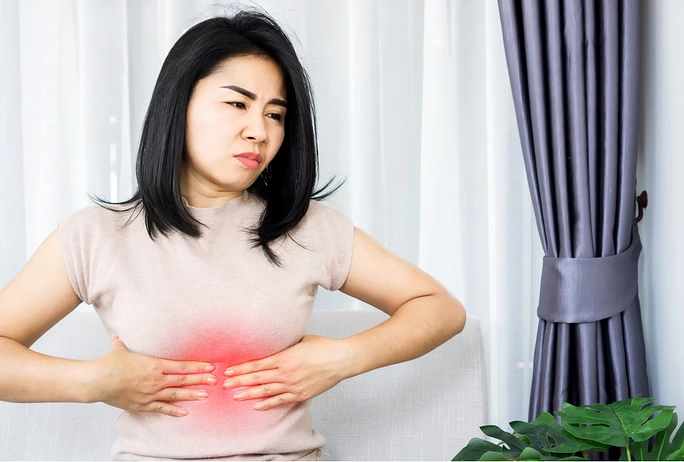
For patients in Jersey City, NY, bloating can be a persistent and frustrating symptom that interferes with everyday comfort and function. The sensation of pressure or fullness in the abdomen may limit physical activity, affect appetite, or create discomfort during work and social interactions. Although bloating is often associated with digestive processes, it is strongly influenced by the way the abdominal muscles, diaphragm, and pelvic floor interact.
The pelvic floor is integral to bowel function and the coordinated release of gas and stool. When these muscles are overly tight, weakened, or not synchronizing properly with other core muscles, they may contribute to bloating, constipation, gas buildup, and abdominal pressure. Many Jersey City patients find that pelvic floor dysfunction plays a larger role in their symptoms than they initially realized.
Recognizing the difference between bloating and abdominal distention is important. Bloating is the sensation of fullness or tightness, while distention is the observable expansion of the abdomen. These conditions can occur together or separately and may be influenced by gas retention, swallowing air, delayed intestinal movement, or poor coordination between the diaphragm, abdominal wall, and pelvic floor.
Pelvic floor physical therapy focuses on improving muscle coordination, reducing tension, and optimizing bowel mechanics. Treatment may include manual therapy, specific exercises, breathing retraining, and education to promote more efficient digestion and decrease abdominal discomfort so patients can return to daily activities with greater ease
What Causes Bloating?
Bloating can result from a combination of factors including pelvic floor dysfunction, diet, posture, core function, stress, trauma, and other contributing conditions. Overeating, drinking carbonated beverages, and eating foods that are difficult to digest are frequent triggers. Additionally, conditions such as constipation, irritable bowel syndrome, and food sensitivities may exacerbate bloating and add to abdominal discomfort.
Pelvic floor dysfunction, when muscles are too tight, too weak, or poorly coordinated, can make digestive problems worse. Improper support of the digestive organs can slow the processing of food, trap gas, and produce abdominal pressure that causes bloating and discomfort in daily life.

Symptoms of Pelvic Floor Dysfunction Related to Bloating
Bloating associated with pelvic floor dysfunction can influence multiple aspects of well-being, from digestive comfort to mood and energy levels. Common issues that may arise include:
- Persistent bloating, especially after eating
- A feeling of fullness or pressure in the abdomen
- Difficulty with bowel movements, including constipation
- Abdominal pain or discomfort related to gas or impaired digestion
- Straining during bowel movements
- Diarrhea or irregular bowel movements
How Pelvic Floor Physical Therapy in Jersey City, NY Helps with Bloating
At Beyond Basics, we offer pelvic floor physical therapy that is structured to address the contributing factors behind bloating, emphasizing a patient-centered approach that identifies and works on the root causes:
- Reducing Abdominal Pain and Discomfort: Targeted relaxation of the pelvic floor muscles helps relieve the pressure and tightness that often accompany bloating. By releasing tension in these muscles, you can experience significant relief from discomfort, making daily activities and movement easier while reducing sensations of fullness in your abdomen.
- Improving Bowel Movements: Working to strengthen and coordinate the pelvic floor muscles can directly support more effective and regular bowel movements. This can alleviate constipation and reduce bloating, allowing for a smoother digestive rhythm and helping your body expel waste more efficiently.
- Enhancing Digestive Function: Optimizing pelvic floor function plays a key role in overall digestive health. Proper coordination and muscle engagement promote the natural movement of gas and stool, reducing bloating and discomfort while supporting your digestive system to function more smoothly.
- Promoting Relaxation and Comfort: Incorporating relaxation exercises alongside pelvic floor training can help manage muscle tension that contributes to bloating. Learning these techniques equips you with practical tools to ease abdominal tightness, feel more at ease, and maintain comfort throughout your daily life.

What to Expect During Your Pelvic Floor Physical Therapy Sessions
During Your Initial Appointment
Your first session will start with an extensive conversation to explore your symptoms in depth and understand how they interfere with your daily life and activities. After this discussion, we will perform a thorough evaluation of your pelvic floor muscles, including gentle examination techniques to assess muscle tone, strength, and functional coordination. The goal of this initial assessment is to identify areas that may contribute to bloating and develop a customized treatment plan that is tailored to your specific needs and health goals.
Every part of the evaluation will be explained as we proceed, so you understand why each test is important and how it informs your care. Our approach prioritizes comfort and clarity, making sure you feel safe, supported, and fully engaged in the process while we gather the necessary information to create an effective and personalized therapy program designed to improve pelvic floor function and relieve bloating.
During Your Additional Appointments
In the sessions that follow, you will be guided through an intentional sequence of therapeutic exercises and evidence informed techniques aimed at enhancing the function and coordination of your pelvic floor muscles. Your care may include hands-on interventions to improve tissue mobility, focused strengthening and retraining exercises to support proper muscle engagement, and relaxation practices to reduce excessive tension that may be contributing to bloating. Adjustments will be made thoughtfully throughout your treatment to ensure continued progress toward symptom relief and improved digestive function.
Each appointment contributes to a larger process of restoring control and balance within your pelvic floor, helping you move toward sustained relief from bloating. We are dedicated to helping you feel more comfortable in your body and more confident in managing your symptoms, with a strong emphasis on long term health, resilience, and overall wellbeing.
Client Testimonials
Beyond Basics: We Can Help in Jersey City, NY
Patients in Jersey City, NY navigating pelvic floor concerns benefit from treatment that recognizes the interconnected nature of physical, emotional, and social health. Care that is sensitive to sex, race, identity, age, and orientation fosters an environment where individuals feel respected and understood. A biopsychosocial perspective supports Jersey City patients by addressing the full scope of factors that may influence recovery.
Since 2003, individuals seeking pelvic floor therapy have looked to experienced and compassionate leaders in the field for guidance and effective care. Esteemed professionals such as Amy Stein and Corey Hazama have played a significant role in shaping best practices in pelvic floor physical therapy.
Patients in Jersey City, NY are supported by clinicians who pursue advanced education beyond their doctoral training. Participation in continuing education programs offered by institutions such as Herman and Wallace and the American Physical Therapy Association strengthens clinical skill and precision. This advanced preparation allows patients to receive comprehensive, individualized, and empathetic care focused on meaningful recovery. Read more about each one of our therapists here.