

Bloating Relief in Midtown, NY

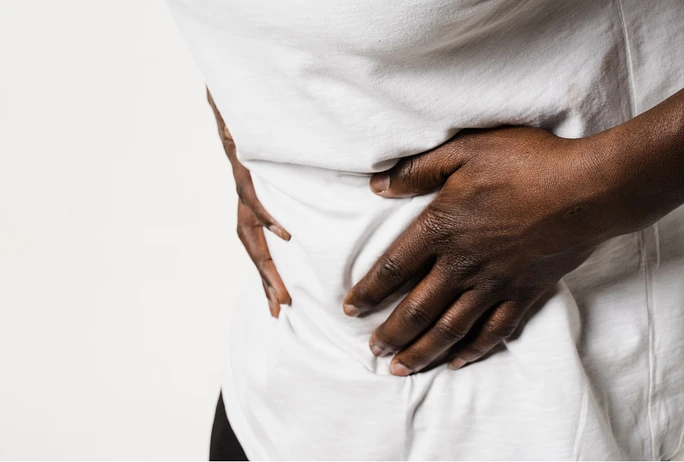
For many patients in Midtown, NY, bloating is more than a minor digestive inconvenience. It can interrupt demanding work schedules, social engagements, and the ability to move comfortably through a fast paced daily routine. The sensation of abdominal fullness or pressure may make it difficult to enjoy meals, sit through long meetings, or remain focused throughout the day. Although bloating is commonly associated with digestion, it is also closely connected to how effectively the abdominal muscles, diaphragm, and pelvic floor coordinate with one another.
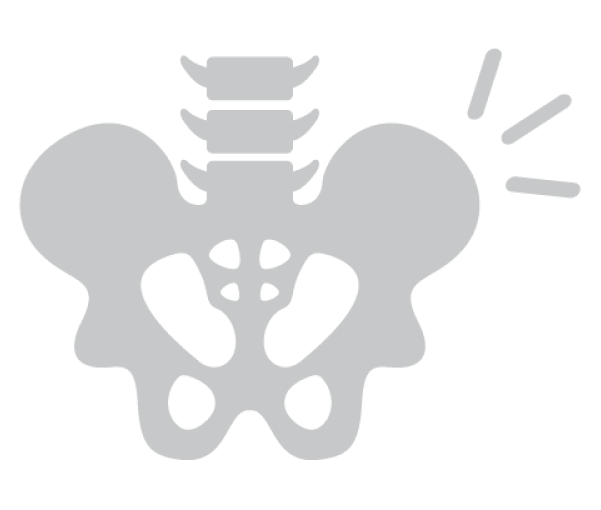
The pelvic floor plays a critical role in bowel function and muscular coordination, particularly when it comes to the controlled passage of gas and stool. When these muscles are overly tight, weakened, or not functioning in proper synchrony, they can contribute to symptoms such as bloating, constipation, gas retention, and a persistent sense of abdominal pressure. Many Midtown patients are surprised to learn that muscular dysfunction may be a significant factor underlying their ongoing discomfort.
It is helpful to understand the difference between bloating and abdominal distention. Bloating refers to the internal sensation of tightness or fullness, while distention describes the visible expansion of the abdomen. These symptoms may appear together or independently and can be influenced by gas buildup, swallowing excess air, slowed digestive motility, or poor coordination between the diaphragm, abdominal wall, and pelvic floor muscles.
Pelvic floor physical therapy focuses on identifying and addressing the contributing factors related to muscle tension, coordination, and bowel mechanics. Treatment may include hands-on therapeutic techniques, individualized exercises, breathing retraining, and education designed to support more efficient bowel function and reduce discomfort so patients can participate more fully in their daily lives.
What Causes Bloating?
Bloating can arise from a variety of factors, including pelvic floor dysfunction, diet, core muscle function, posture, stress, past trauma, and other contributing influences. Common triggers often include eating large meals, drinking carbonated beverages, or consuming foods that are difficult to digest. Additionally, medical conditions such as irritable bowel syndrome, food intolerances, and chronic constipation can contribute to ongoing bloating and discomfort.
When the pelvic floor muscles are overly tight, weak, or not coordinating properly, they may significantly affect digestion and lead to bloating. This dysfunction can interfere with the normal support and movement of the digestive organs, making it harder for the body to process food efficiently, which can result in trapped gas and abdominal pressure that causes discomfort.

Symptoms of Pelvic Floor Dysfunction Related to Bloating
- Persistent bloating, especially after eating
- A feeling of fullness or pressure in the abdomen
- Difficulty with bowel movements, including constipation
- Abdominal pain or discomfort related to gas or impaired digestion
- Straining during bowel movements
- Diarrhea or irregular bowel movements
How Pelvic Floor Physical Therapy in Midtown, NY Helps with Bloating
At Beyond Basics, our pelvic floor physical therapy is carefully tailored to address the underlying factors that may contribute to bloating, focusing on the specific needs of each patient to support improved muscle coordination, tension management, and digestive comfort:
- Reducing Abdominal Pain and Discomfort: Relaxing tight pelvic floor muscles can help relieve the pressure and discomfort that frequently accompany bloating. By addressing muscle tension, you can experience a reduction in abdominal fullness and enhanced comfort throughout your daily routine.
- Improving Bowel Movements: Strengthening and coordinating the pelvic floor muscles contributes to smoother and more predictable bowel movements. Reducing constipation through these techniques can alleviate bloating and improve overall digestive function.
- Enhancing Digestive Function: Optimal pelvic floor function plays a critical role in maintaining efficient digestion. By ensuring that these muscles work in harmony, gas and stool pass more easily through the lower digestive tract, minimizing bloating and supporting gastrointestinal health.
- Promoting Relaxation and Comfort: Integrating relaxation strategies with pelvic floor exercises helps manage muscle tightness that can worsen bloating. This provides practical skills for alleviating discomfort, improving daily comfort, and supporting a balanced approach to digestive wellness.

What to Expect During Your Pelvic Floor Physical Therapy Sessions
During Your Initial Appointment
Your initial appointment will begin with a thorough conversation about your symptoms and the ways they impact your daily routines, activities, and overall comfort. During this time, we will conduct a comprehensive evaluation of your pelvic floor muscles to identify any areas that may be contributing to bloating or digestive discomfort. This assessment may include a careful physical examination to observe muscle tone, flexibility, and function, as well as to identify any tension, weakness, or irregular movement patterns. The objective of this first session is to gather detailed insights that will allow us to design a personalized treatment plan tailored specifically to your unique needs and goals.
Throughout the evaluation, we will guide you through each step, clearly explaining what we are assessing and why it is important for your care. Our approach is focused on ensuring that you feel fully informed, respected, and at ease, creating a supportive environment where you can participate comfortably while we gather the necessary information to provide effective and targeted therapy.
During Your Additional Appointments
During the upcoming sessions, you will be carefully guided through a structured progression of exercises and therapeutic techniques specifically selected to enhance the strength, coordination, and overall function of your pelvic floor muscles. These appointments may incorporate hands-on manual therapy to address areas of tension or restriction, individualized corrective exercises to improve muscular balance, and relaxation strategies aimed at calming overactive muscle patterns that may be contributing to bloating. Your plan of care will remain flexible and responsive, with thoughtful adjustments made along the way to steadily decrease symptoms and promote healthier digestive function.
Every session serves as a meaningful step toward improved awareness and control of your pelvic floor muscles, helping you move closer to lasting relief from bloating. Our goal is to support you in feeling more at ease within your body and more confident in your ability to manage symptoms effectively, always with an emphasis on sustainable, long term wellness and improved quality of life.
Client Testimonials
Beyond Basics: We Can Help in Midtown, NY
Patients in Midtown, NY seeking care for pelvic floor concerns often benefit most from an approach that recognizes the complexity of their individual experiences. Effective treatment requires sensitivity to each person’s needs, regardless of sex, race, identity, age, or orientation. A comprehensive biopsychosocial model supports Midtown patients by addressing not only physical symptoms but also the emotional and social factors that may influence healing and recovery.
Since 2003, patients have sought out specialized pelvic floor care with the understanding that skilled and compassionate therapy can help restore balance and improve overall quality of life. Many individuals value working with experienced leaders in pelvic floor physical therapy, including respected experts such as Amy Stein and Corey Hazama, whose contributions to the field have helped shape modern rehabilitation standards.
Patients in Midtown, NY benefit from working with physical therapists who have completed extensive post doctoral education and advanced specialty training. Many clinicians pursue additional coursework through organizations such as Herman and Wallace and the American Physical Therapy Association to refine their skills. This depth of training allows patients to receive thoughtful, efficient, and compassionate care tailored to their individual goals and needs. Read more about each one of our therapists here.