Bloating Relief in
Queens, NY

Find Bloating Relief with Pelvic Floor Physical Therapy in Queens, NY
Bloating

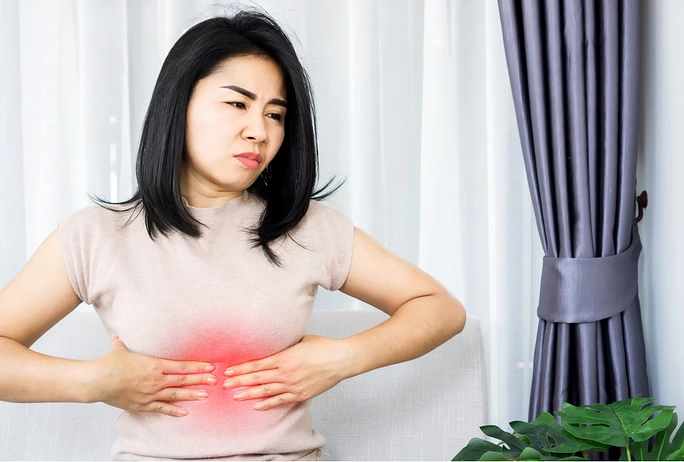
Many patients in Queens, NY experience bloating as an ongoing and disruptive concern that affects more than digestion alone. The uncomfortable sensation of abdominal fullness can make it challenging to concentrate, remain active, or feel at ease in social and professional settings. While bloating is frequently attributed to digestive issues, it is also shaped by how the abdominal wall, diaphragm, and pelvic floor muscles function together.

The pelvic floor plays a meaningful role in bowel coordination and the proper release of gas and stool. When these muscles are tense, weakened, or not working in harmony with surrounding structures, they may contribute to bloating, constipation, gas retention, and sensations of abdominal pressure. For many Queens patients, identifying pelvic floor involvement provides a clearer understanding of persistent symptoms.

It is helpful to differentiate between bloating and abdominal distention. Bloating involves the internal feeling of tightness or fullness, whereas distention refers to the visible swelling of the abdomen. These experiences may present together or separately and can result from gas accumulation, air swallowing, slowed digestion, or impaired muscular coordination.

Pelvic floor physical therapy addresses these contributing factors by focusing on muscle balance and bowel mechanics. Treatment may incorporate manual therapy, guided exercises, breathing techniques, and education to support improved coordination and reduce discomfort over time.

What Causes Bloating?

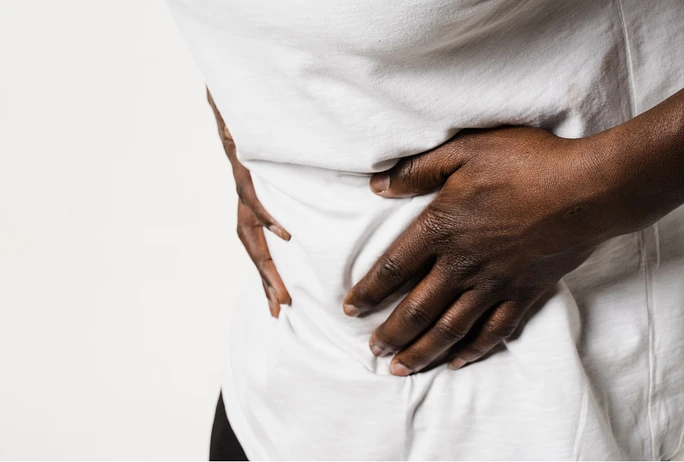
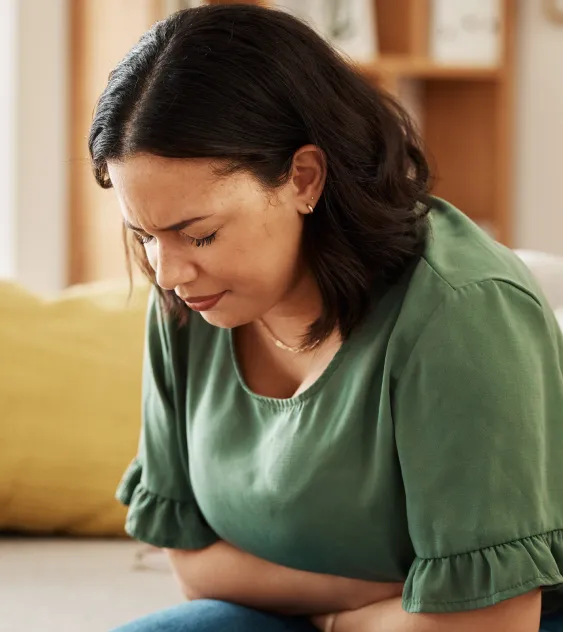
Bloating is often influenced by multiple factors such as pelvic floor dysfunction, diet, posture, core strength, stress, trauma, and other underlying causes. Eating large meals, consuming carbonated drinks, and eating foods that are difficult to digest are common triggers. Certain medical issues including irritable bowel syndrome, constipation, and food intolerances may also contribute to persistent bloating and discomfort in the abdomen.

When the pelvic floor muscles do not function properly, whether due to being tight, weak, or uncoordinated, they can interfere with the digestive process. Inefficient movement and support of the digestive organs can cause gas buildup, abdominal pressure, and discomfort that makes bloating more noticeable.
What-Causes-Bloating
stomach-pain-stress-woman-sofa-with-pms-gas-bloating-constipation-menstrual-nausea-home-gut-health-anxiety-female-living-room-with-tummy-ache-anxiety-endometriosis_

Symptoms of Pelvic Floor Dysfunction Related to Bloating

Experiencing bloating due to pelvic floor issues can have effects beyond the abdomen, touching on both mental clarity and physical comfort. Frequently reported symptoms in these cases include:
  • Persistent bloating, especially after eating
  • A feeling of fullness or pressure in the abdomen
  • Difficulty with bowel movements, including constipation
  • Abdominal pain or discomfort related to gas or impaired digestion
  • Straining during bowel movements
  • Diarrhea or irregular bowel movements

How Pelvic Floor Physical Therapy in Queens, NY Helps with Bloating

At Beyond Basics, we offer pelvic floor physical therapy that is structured to address the contributing factors behind bloating, emphasizing a patient-centered approach that identifies and works on the root causes:
  • Reducing Abdominal Pain and Discomfort: By addressing tight or overactive pelvic floor muscles, therapy can significantly lessen the abdominal pressure that often accompanies bloating. Relaxing these muscles helps restore comfort, reduces the sensation of fullness, and supports a more pleasant digestive experience.
  • Improving Bowel Movements: Strengthening and improving the coordination of pelvic floor muscles encourages easier bowel movements. Clients often find that constipation decreases and elimination becomes more regular, which in turn helps reduce bloating and related discomfort.
  • Enhancing Digestive Function: Proper pelvic floor engagement contributes to optimal digestive efficiency. When the muscles of the pelvic floor are functioning correctly, gas and waste move more naturally through the digestive tract, reducing bloating and improving overall digestive comfort.
  • Promoting Relaxation and Comfort: Practicing relaxation techniques combined with targeted muscle training helps ease the tension in the pelvic floor. This approach allows clients to manage abdominal tightness, feel more at ease in their daily activities, and enjoy increased overall comfort.

How-Pelvic-Floor-Physical-Therapy-Helps-with-Bloating

What to Expect During Your Pelvic Floor Physical Therapy Sessions

During Your Initial Appointment

During your first appointment, we will begin with a comprehensive discussion about your current symptoms and how they affect your everyday activities and quality of life. Following this conversation, a thorough assessment of your pelvic floor muscles will take place, which may include gentle manual testing to observe muscle strength, tension, and coordination. The insights gained from this evaluation will help us create a treatment plan specifically tailored to your individual needs, focusing on improving pelvic floor function and alleviating bloating symptoms over time.

We will walk you through each step of the assessment, providing clear explanations of what we are doing and why it matters for your overall care. Our approach is designed to be patient centered, ensuring that you feel informed, supported, and at ease throughout the session while we gather the detailed information needed to provide personalized and effective therapy.

During Your Additional Appointments

Over the course of your upcoming sessions, you will engage in a progressive plan of care focused on improving pelvic floor muscle coordination, endurance, and relaxation. Treatment may involve manual therapy techniques to address tight or restricted tissues, individualized exercises that promote balanced muscle activation, and calming strategies designed to ease patterns of tension that can worsen bloating. As your symptoms change, your treatment plan will be refined to ensure that progress continues in a steady and supportive manner.

Each session functions as an essential component in developing better pelvic floor control and achieving relief from abdominal discomfort. Our aim is to help you experience greater physical ease and self assurance as you gain practical tools for managing symptoms, all while supporting your long term digestive and pelvic health.

Client Testimonials
Amber Wolfe
2 weeks ago
Juhi is warm, thoughtful, and knowledgeable. She made me feel comfortable from the beginning and tailored each session to what I needed. I’m very grateful for her care and highly recommend Beyond Basics.
Lourdes Calero
2 weeks ago
My health issue has improved tremendously in a short time, thanks to my amazing therapist,Kiko!
Marina Alton
4 weeks ago
It was a very amazing experience with my therapist, and it helps me a lot
Devin Williams
1 month ago
After a life changing surgery back in 2013, I dealt with chronic pelvic and lower back pain that had impacted and hindered me for years. At one point, I lost all hope that I would ever be able to be rid of it. Then, I had the fortune of coming across Beyond Basics and meeting a wonderful physical therapist in the form of Kiko. After nearly 13 yrs of dealing with this pain, I am happy to say that it is completely gone after my treatment with Kiko. Because of her and Beyond Basics, I am now able to enjoy life so much more and for that, I am eternally gratefully. Coming here was truly a life changing experience.
Audrey Symes
2 months ago
Melanie has been wonderful! Compassionate, kind, a great listener, and I have made so much progress in a few sessions
Tom Powell
2 months ago
I never thought that pelvic floor therapy would be so effective or a worthwhile experience...and then I was lucky enough to find Cory Hazama. She is truly skilled and knowledgable.
Louise Decatrel
6 months ago
I am very happy with this choice for my therapy. My Therapist, Molly, is so fantastic. I feel very much at ease and comfortable with her.
Carol J. Weiss
7 months ago
Melanie is amazing. So knowledgeable, comforting, and enthusiastic.
Barry Gurvitch
7 months ago
Beyond Basics provides sensitive and professional care in a comfortable environment. I was skeptical at first if they could help but now, I am a believer.
Barbara Friedman
8 months ago
A wonderful introduction to pelvic floor therapy. Eliza's engaged, intelligent approach made me feel surprisingly hopeful. She's clearly a great person to work with.
Marian
9 months ago
Courteous and helpful staff. Excellent facilities. My PT is the best I found after months of searching around Manhattan.
Nell De Martini
9 months ago
I had a great experience working with Emily Moore for pre-op PT. She created an incredibly warm and inclusive environment and helped me feel comfortable from the start. In just a few sessions, she really helped me have a better understanding of my symptoms and how to best manage them. She gave me helpful tips to integrate into my daily routine and I noticed results almost immediately. I am looking forward to resuming sessions with her again after surgical recovery. The front desk and administrative staff were wonderful as well. I highly recommend working with Emily!
Elena Golub
11 months ago
Absolutely adored working with Melanie Rocchio. She's truly an expert at her craft and immediately puts you at ease. It's hard to make PFPT a comfortable process but she did. If you need PFPT, go see Melanie--I'll definitely be a returning client if I need further treatment.
Kat M.
11 months ago
I recently saw Kiko for regular PT sessions following a c-section delivery and HIGHLY recommend her, she's the best!! We worked on regaining both pelvic floor and core strength, and while I'm happy both have improved significantly in the months since my delivery, I was sad to have 'graduated' PT as I really enjoyed my sessions with Kiko - she's a pleasure to work with and learn from! I also had a good experience with Beyond Basics as a practice - Veronica at the front desk is very sweet!
Savannah Carlin
11 months ago
I cannot recommend Sonali highly enough, she’s truly incredible!
Sudais Haider
11 months ago
Nice
Lily Zoraster
11 months ago
Had a great experience here, front desk person Veronica is very nice and helpful. It was a delight to have Kiko as my therapist. She is very knowledgeable, easy to talk to/work with, and very thorough. She helped me find the perfect exercises that were very doable to help me progress and I progressed so fast in ways that I couldn’t imagine before. Thank you so much 😊
Mike Honcharik
12 months ago
Went to Beyond Basics for treatment of abdominal pain ,as recommended by my doctor . Kiko treated me , she was very professional and a listened to all my concerns ,and made me feel much better as to my condition . She was very knowledgeable and very helpfull . I highly recommend her.
Garland Horwitz
12 months ago
Emily Moore was fantastic! Great bedside manner and helpful. The whole team was very friendly
Samatha Nemana
1 year ago
So appreciative of the staff at Beyond Basics, especially Emily Moore! Emily was immensely helpful as I navigate my endometriosis journey. During our sessions I feel like I got some real answers around my pain - I so, so appreciate her. Our visits and the exercises she recommended have resulted in noticeable improvement over just a few short months. Highly recommend!
Michele Caplan
1 year ago
I have worked with Beyond Basics for over 15 years. I have an underlying chronic problem that I will have to manage for the rest of my life. With their multitude of skills, Beyond Basics has given me the therapy and strategies to go from acute pelvic pain, severe back, and postural problems to being able to manage my underlying problems with resilience and support. And, with their help and guidance I have avoided back surgery. The therapy and commitment at BB are on an entirely different level from therapy available any other Physical Therapy clinic I have ever encountered. It is entirely unique.
Allie Hemmings
1 year ago
Staff is friendly and efficient. Kiko is so easy to talk to, super informative, genuinely caring & kind, very knowledgeable about the pelvic floor as well as how other areas of the body work with it, and she also gave a great referral when my condition seemed to need treatment outside of her scope of practice. I highly recommend Kiko!
Ava Anderson
1 year ago
My son has autism and struggles with motor coordination. His physiotherapy sessions are tailored to his needs, full of playful yet purposeful activities. He looks forward to every visit and we’ve noticed significant improvements in his balance, posture, and ability to focus during tasks.
Ronlee Ben-Gal
1 year ago
Sonali Patel at Beyond Basis is an incredibly smart, kind, and effective pelvic floor PT. She was great during our sessions and also gave me the tools to continue healing on my own, without ever pushing unnecessary visits. I’d absolutely recommend her and will definitely come back to her if anything ever comes up again.
Kiko is exactly what you want in a PT… Attentive and clearly loves what she does, all with a sense of humor. You’ll be lucky if you get her..
treating pelvic floor issues

Beyond Basics: We Can Help in Queens, NY

For patients in Queens, NY, pelvic floor care is most effective when delivered with respect for the whole individual. Treatment that acknowledges differences in sex, race, identity, age, and orientation helps ensure that patients feel seen and supported throughout the rehabilitation process. A biopsychosocial approach offers Queens patients a comprehensive pathway to healing that integrates physical therapy with attention to emotional and social influences.

Since 2003, patients pursuing pelvic floor rehabilitation have placed their trust in experienced clinicians known for both technical expertise and compassionate care. Influential professionals in the field, including Amy Stein and Corey Hazama, have helped elevate standards of treatment and education within pelvic health.

Patients in Queens, NY are served by therapists who invest extensively in post graduate education and specialty certification. Through advanced coursework with respected organizations such as Herman and Wallace and the American Physical Therapy Association, clinicians strengthen their ability to provide precise and compassionate rehabilitation. This dedication to excellence enhances patient outcomes and overall experience. Read more about each one of our therapists here.

Get help now from a pelvic floor therapist.

Bloating Services

— Beyond Basics PT | Pelvic Floor Therapy NYC.

Frequently Asked Questions

Can pelvic floor dysfunction cause bloating?
Yes, issues with the pelvic floor can contribute to bloating. When the muscles are tight, weak, or not working together correctly, digestion and bowel movements can be affected. This may result in increased gas, fullness, and pressure in the abdomen. Correcting these muscle issues can help reduce bloating and improve overall comfort.
How can pelvic floor therapy provide IBS bloating relief?
Pelvic floor therapy can help people with Irritable Bowel Syndrome by improving muscle relaxation and coordination. Many IBS patients experience bloating due to constipation, cramping, or trapped gas. Therapy helps the pelvic floor support smoother bowel movements and efficient gas release. These improvements can alleviate bloating and promote more comfortable digestion.
How does pelvic floor therapy help with SIBO bloating relief?
Therapy can assist individuals with Small Intestinal Bacterial Overgrowth by addressing muscle tension and coordination problems that exacerbate bloating. Difficulty passing gas or stool increases abdominal discomfort. Pelvic floor therapy focuses on muscle function and bowel mechanics. When used alongside broader SIBO management, this approach can reduce bloating and improve digestive health.
Can pelvic floor therapy offer constipation bloating relief?
Yes, therapy can help relieve bloating caused by constipation by teaching the pelvic floor muscles to relax and contract properly. Proper coordination allows for more complete bowel emptying, reducing pressure and gas buildup. These improvements can lessen bloating and enhance daily comfort. Continued therapy supports long-term relief from constipation-related bloating.
How can pelvic floor therapy support hormone imbalance bloating relief?
Pelvic floor therapy may ease bloating during hormonal changes such as menstruation or menopause by improving muscle function and relaxation. Uncoordinated or tense muscles can increase abdominal pressure during these times. Therapy uses strategies to improve coordination and relieve tension. This helps clients manage bloating and feel more comfortable during hormone-related digestive fluctuations.
How can pelvic floor therapy provide functional bloating relief?
Functional bloating may result from muscle tension and poor pelvic floor coordination. These issues can slow gas movement and cause abdominal pressure. Therapy works to improve muscle function and bowel mechanics. Over time, these interventions can reduce bloating and help individuals feel more comfortable in their daily lives.
How to relieve chronic bloating?
Chronic bloating may occur due to tight muscles or uncoordinated bowel function. Therapy retrains the pelvic floor to allow efficient bowel movements and reduce pressure. This helps decrease bloating and improve digestive comfort. Combined with lifestyle strategies, therapy offers a sustainable method for managing chronic bloating.
What foods can cause abdominal bloating and gas?
Certain foods tend to produce bloating and increased gas in the digestive system. Foods high in fiber, dairy products, carbonated drinks, gluten-containing foods, and processed items are often the main contributors. Consuming these foods can result in trapped gas, fullness, and abdominal discomfort. Keeping a detailed food journal can help you recognize which foods worsen your bloating and guide you in making dietary adjustments to reduce discomfort.
Can stress or anxiety make bloating worse?
Yes, emotional stress and anxiety can worsen the sensation of bloating. Tension in the abdominal muscles or swallowing air during stressful moments can contribute to more gas accumulation and abdominal pressure. Pelvic floor physical therapy often integrates relaxation techniques and guided exercises to reduce stress, support abdominal muscle coordination, and improve digestive function, which can help alleviate bloating.
Is bloating a sign of a more serious condition?
While bloating is commonly associated with dietary choices or minor digestive issues, chronic or severe bloating can sometimes indicate a more serious condition. Conditions such as celiac disease, irritable bowel syndrome, or other gastrointestinal disorders may manifest with prolonged bloating. If bloating is accompanied by concerning symptoms like blood in the stool, unexplained weight loss, or intense abdominal pain, medical evaluation is recommended.
Is pelvic floor physical therapy safe?
Yes, pelvic floor physical therapy is a safe and effective treatment for bloating and related digestive concerns. Therapists provide step-by-step guidance through exercises and treatment strategies to ensure comfort and proper form. Each session is individualized to address the specific needs of the client, allowing for safe and gradual improvement in symptoms and digestive function.
How many sessions will I need to see results?
The required number of sessions depends on the complexity of your symptoms and the contributing factors involved. Some clients experience noticeable relief after a few visits, while others benefit from ongoing therapy over several weeks. Improvements occur progressively as the pelvic floor muscles regain coordination and strength through consistent practice and guided exercises.
What natural remedies can help reduce bloating symptoms and prevent bloating?
Several natural strategies can help ease bloating. These include limiting carbonated drinks, avoiding sugar-free products with sugar alcohols, and moderating dairy consumption for those who are sensitive. Maintaining a food diary helps identify personal triggers such as certain high-fiber foods, carbohydrates, or specific fruits. Additional approaches like applying a warm compress to the abdomen, drinking herbal teas, staying hydrated, and checking food labels can support digestion and reduce bloating over time.
How does the digestive system contribute to bloating?
Digestive disturbances caused by factors like pelvic floor dysfunction, diet, stress, core weakness, posture, or trauma can interfere with the proper processing of food. Inefficient digestion can lead to gas accumulation, abdominal fullness, and discomfort. These effects contribute to bloating and may impact daily functioning and overall comfort.