

Pudendal Neuralgia
Receive expert treatment and relief for symptoms with pelvic floor physical therapy.
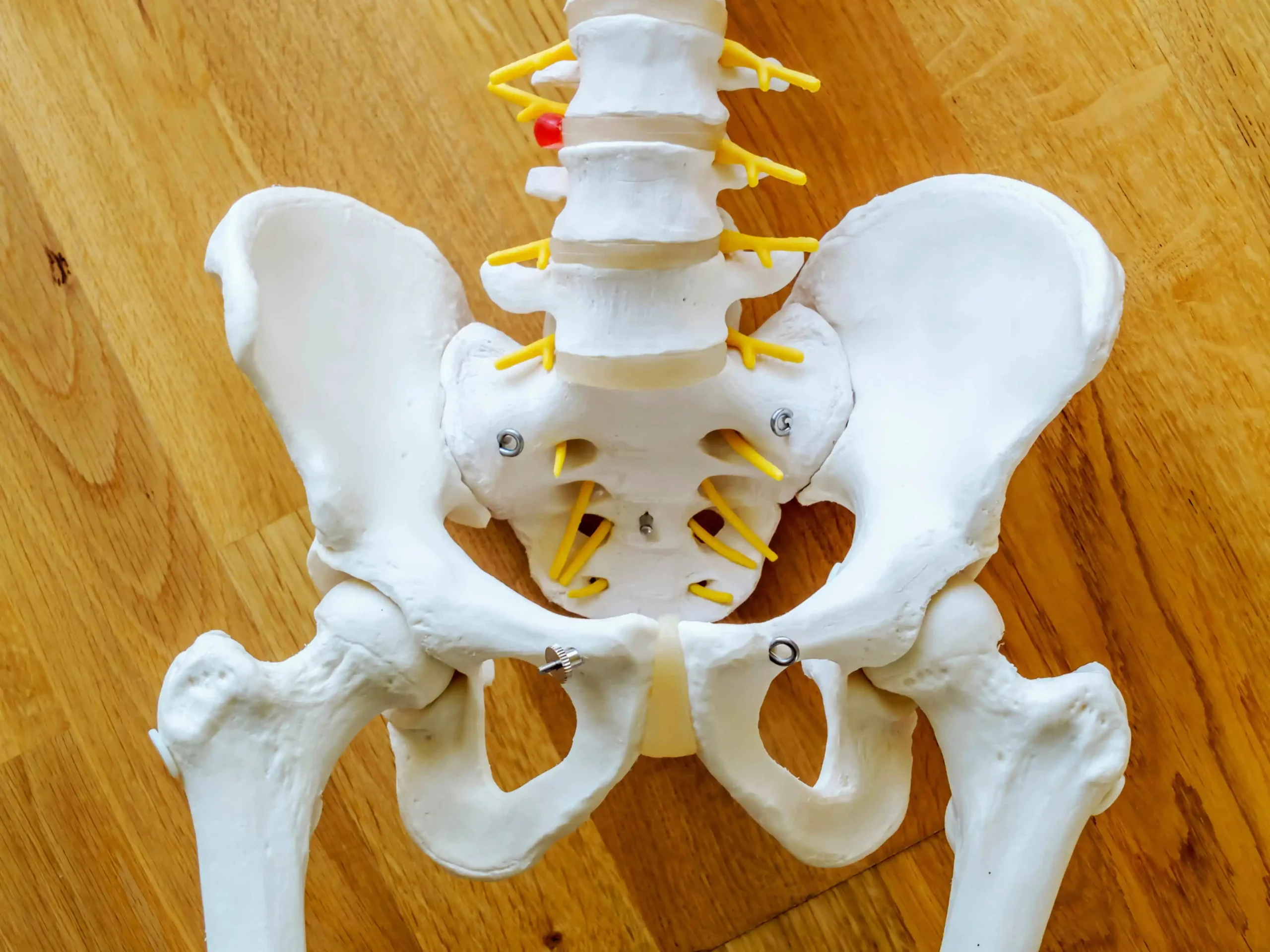
Pudendal neuralgia is a condition that causes recurring pain along the pudendal nerve, which runs through your pelvic floor muscles. This nerve is important because it carries information from your genital and anal areas to your brain. When this nerve gets irritated or squeezed, it can lead to severe discomfort that affects your daily life and overall well-being.
However, with our specialized physical therapy that targets the specific issues of the pelvic floor, many patients find significant relief and start feeling better again.
Symptoms of Pudendal Neuralgia
Pudendal neuralgia symptoms can vary in severity and include:
- Persistent pelvic pain
- Burning sensation along the nerve path
- Increased pain when sitting
- Pain during sexual activity
- Tingling or numbness in the genital area
- Difficulty with urination or bowel movements
- Severe pain that can radiate to the legs
- Discomfort that worsens towards the end of the day
- Sudden, sharp nerve pain
- Aching or throbbing in the pelvic floor

Get help today.

The Role of the Pelvic Floor in Pudendal Neuralgia
The pelvic floor not only supports your pelvic organs, it also plays a role in your bowel, bladder, and sexual function. But when muscles aren’t working optimally or when someone experiences an injury to this part of their body, it can lead to pudendal neuralgia, causing quite a bit of discomfort.
Here’s how your pelvic floor can contribute to this condition:
- Tension and Tightness: Sometimes, the pelvic muscles can get really tight due to stress, overactivity, or after an injury. This tightness can put pressure on the pudendal nerve, causing a lot of pain that might be felt during activities such as sitting or sexual activity, or even when going to the bathroom.
- Weak Muscles: On the flip side, if these muscles are weak, they don’t do a great job at supporting the pelvic organs. This can cause the pelvic structure to become less stable, putting extra pressure on the pudendal nerve and increasing the pain.
- Muscle Spasms: Imagine sudden, unexpected muscle contractions in this area—it’s as uncomfortable as it sounds. These spasms can cause sharp, intense pain.
- Nerve Compression: If the pelvic floor muscles aren’t functioning optimally, they can press on the pudendal nerve. Over time, this pressure not only hurts but reduces the nerve’s ability to function correctly.
- Reduced Blood Flow: Good blood flow keeps the pelvic area healthy. If the pelvic floor muscles aren’t working right, they can impact blood circulation, leading to pain from not getting enough oxygen and nutrients to the tissues.
How Pelvic Floor Physical Therapy Can Help
At Beyond Basics, our pelvic floor physical therapy offers a specialized approach to treating pudendal neuralgia by addressing the underlying muscle and nerve issues. Our trained therapists use techniques designed to relax tight muscles, strengthen weak pelvic muscles, improve blood flow, and alleviate nerve compression. This therapy not only helps reduce pain but also restores function and improves your overall quality of life.

What to Expect During Your Sessions
During Your Initial Appointment
Your initial appointment starts with a comprehensive evaluation. We discuss your symptoms in detail, asking questions so that we can learn more about you and any pain you are experiencing. We’ll then conduct a thorough physical assessment, focusing on the areas causing discomfort. This is a hands-on evaluation from head to toe. It will most likely involve evaluating external and internal pelvic floor muscles, with the purpose being to trace your issue to its source(s) in order to reduce your pain and discomfort.
These internal manual techniques are applied to the structures of the pelvis. This includes the pelvic floor muscles, nerves, and bones. We also want you to be as comfortable as possible during the session – you have the right to refuse any treatment at any time without explanation.
During Your Additional Appointments
Each session is customized to meet your specific needs, combining hands-on therapy (with your full consent) and personalized exercises aimed at strengthening and/or relaxing your pelvic muscles. This approach helps alleviate pain and enhance pelvic function by directly addressing the root causes of your symptoms. Our therapists focus on strengthening weak pelvic muscles to provide better support and loosening tight muscles to relieve pressure on nerves. Additionally, we will provide you with at-home exercises to continue your progress between sessions, ensuring that you achieve long-lasting relief and a sustainable recovery.
Client Testimonials
Beyond Basics: We Can Help
At Beyond Basics, we are committed to treating pelvic floor issues with sensitivity to each individual’s needs, regardless of sex, race, identity, age, or orientation – we treat the whole person with a comprehensive, caring biopsychosocial approach.
Since 2003, Beyond Basics has been a place of hope and healing for our patients. We believe skilled and compassionate healing can restore your body’s harmony and balance. Founder, Amy Stein, and co-founder, Corey Hazama are renowned experts and leaders in pelvic floor PT.
The skilled physical therapists at Beyond Basics receive extensive training to qualify them to be the world’s leaders in pelvic floor rehabilitation. All of our therapists have been carefully selected to work at Beyond Basics because they possess the right expertise, kindness, and empathy to allow them to excel at our practice. Our therapists have completed hundreds of additional hours outside of their doctorates both internally and externally through institutes such as Herman and Wallace and the American Physical Therapy Association, to help hone their practice and provide exceptional treatment efficiently and compassionately. In addition to being the world’s first and foremost experts in pelvic floor dysfunction, our individual therapists have cultivated additional skills unique to their own personal interests. Read more about each one of our therapists here LINK TO BIO
Get help now from a pelvic floor therapist.
Pudendal Neuralgia Services
— Beyond Basics PT | Pelvic Floor Therapy NYC.
Frequently Asked Questions
How can pelvic floor physical therapy help with pudendal neuralgia?
Our therapy focuses on relieving nerve compression, strengthening pelvic floor muscles, and reducing muscle tension, which can eliminate the symptoms of pudendal neuralgia.
How long does it typically take to see improvement from pelvic floor physical therapy treatment?
Improvement can vary, but many patients experience relief after a few sessions of targeted physical therapy, with continued improvement over time.
Does a pudendal nerve block treat pudendal neuralgia?
A pudendal nerve block is a procedure where a local anesthetic is injected near the pudendal nerve to temporarily relieve pain. While it can provide immediate pain relief, especially from severe and burning pain associated with pudendal neuralgia, it doesn’t address the underlying causes such as pudendal nerve compression or pelvic floor muscle dysfunction. Therefore, while helpful for diagnostic purposes and managing symptoms in the short term, it’s not a long-term treatment solution.
What are the long-term treatment options for chronic pudendal neuralgia?
Long-term treatment for chronic pudendal neuralgia (pain lasting for more than three months) primarily centers around pelvic floor physical therapy, which is often the most effective approach. As mentioned, this type of therapy focuses on alleviating pudendal nerve pain by addressing key issues causing the condition and symptoms, such as muscle tension and nerve compression.
With consistent and specialized therapy, many patients experience substantial improvements and regain their quality of life.