

What is Vaginismus?
The experience can range from mild discomfort to intense pain and often feels unpredictable or frustrating, especially when the body reacts even when you want penetration to be comfortable.
- Pain or resistance with attempted insertion
- Burning, stinging, or pressure at the vaginal opening
- Difficulty using tampons or undergoing exams
- Fear or anticipation of pain that leads to muscle tightening
- Tension in the hips, pelvis, or lower abdomen


What Causes Vaginismus?
Vaginismus does not have a single cause. In many cases, it develops from a combination of physical tension and nervous system response rather than from any structural abnormality. The pelvic floor muscles learn to tighten in anticipation of pain, discomfort, or threat, even when no danger is present.
Common contributing factors include stress, anxiety around penetration, past pain during exams or intimacy, and ongoing pelvic muscle tightness. Over time, this protective pattern becomes automatic and difficult to override without guidance.
Other factors that can contribute include:
- A history of pelvic or lower back injury
- Previous infections or inflammation that sensitized pelvic nerves
- Poor posture or pressure on the pelvic floor during sitting
- Repeated holding of urine or delaying bowel movements
Get help with pelvic floor physical therapy.
What Does the Pelvic Floor Have To Do with Vaginismus?
The pelvic floor is a group of muscles that support the bladder, bowel, and reproductive organs and play a direct role in penetration and sexual comfort. When these muscles remain tight or overactive, they can close off the vaginal opening and create pain with any attempt at insertion.
Many people assume vaginismus is purely psychological, but the physical muscle response is very real. Overactive pelvic muscles can shorten, lose flexibility, and react quickly to perceived threat, even during routine activities like exams or tampon use. Pelvic floor physical therapy addresses these muscle patterns directly, helping the body regain control and ease.


Causes of Pelvic Floor Dysfunction
- Chronic stress that keeps the body in a guarded state
- Holding tension in the hips, jaw, or abdomen
- Breathing patterns that increase pelvic tightness
- Past pain experiences that trained the body to brace
- Limited awareness or control of pelvic muscles
Benefits of Working with a Pelvic Floor Physical Therapist For Vaginismus
- Reduce muscle guarding that blocks comfortable penetration
- Learn how to relax and lengthen pelvic muscles safely
- Improve awareness and control of pelvic movement
- Calm the nervous system response tied to fear or anticipation
- Build confidence around intimacy and exams
- Address the root muscular patterns rather than pushing through pain
- Support a gradual return to comfort and trust in your body

What To Expect
During Your Initial Appointment
At your first visit, your therapist will take time to understand your symptoms, experiences, and goals. You can talk through what feels challenging, what you avoid, and how your body responds in those moments.
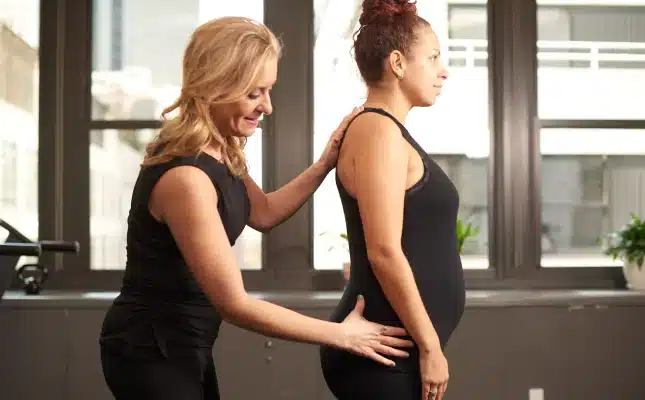
Your therapist will assess posture, breathing, hip mobility, and pelvic muscle function. If appropriate, this may include an internal or external assessment, always guided by your consent and comfort. You can pause or decline any part of the session at any time.
You will leave with simple tools and exercises designed to help your body begin relaxing and retraining between visits.
During Your Additional Appointments
Reduce your pain today.
Client Testimonials

Beyond Basics: We Can Help
Since 2003, Beyond Basics has been a place of hope and healing for our patients. We believe skilled and compassionate healing can restore your body’s harmony and balance. Founder, Amy Stein, and co-founder, Corey Hazama are renowned experts and leaders in pelvic floor PT.
The skilled physical therapists at Beyond Basics receive extensive training to qualify them to be the world’s leaders in pelvic floor rehabilitation. All of our therapists have been carefully selected to work at Beyond Basics because they possess the right expertise, kindness, and empathy to allow them to excel at our practice. Our therapists have completed hundreds of additional hours outside of their doctorates both internally and externally through institutes such as Herman and Wallace and the American Physical Therapy Association, to help hone their practice and provide exceptional treatment efficiently and compassionately. In addition to being the world’s first and foremost experts in pelvic floor dysfunction, our individual therapists have cultivated additional skills unique to their own personal interests. Read more about each one of our therapists here.