

Perimenopause & Menopause Health Coaching in Midtown, NY
You are not alone in this transition.

Understanding Perimenopause and Menopause
Menopause is defined as the point when someone has experienced 12 full months in a row without having a menstrual period. This transition is a completely natural part of aging, brought on by the ovaries producing fewer hormones and resulting in significantly reduced hormone levels over time. However, despite being natural, many of the symptoms that accompany menopause can feel overwhelming and disruptive to everyday life.
At Beyond Basics, we work closely with you to ease those symptoms through a combination of targeted pelvic floor physical therapy, thorough education, and practical lifestyle recommendations tailored to your needs.
The three phases of menopause include:
- Perimenopause: This is the early stage of change that generally starts sometime between the ages of 35 and 45. During this time, hormone production begins to vary from month to month, which can cause noticeable shifts in the menstrual pattern. Many experience symptoms such as cycles that become unpredictable, flow that may be heavier or lighter than before, mood swings, sudden hot flashes, trouble staying asleep, changes in sexual interest or comfort, and even differences in bladder or bowel habits.
- Menopause: This phase is reached once a person has gone an entire year—12 months in a row—without any menstrual bleeding, signaling that the reproductive years have officially ended.
- Postmenopause: This describes the time after menopause, when some symptoms may still occur but often lessen in frequency or intensity over time.

Symptoms of Perimenopause and Menopause
Many individuals sum up what they feel during perimenopause and menopause in just a few words: “I don’t feel like myself anymore.” Whether it’s unpredictable moods, sleepless nights, or physical changes that seem hard to define, these experiences are genuine and deserve to be acknowledged. Let’s take a closer look at what these symptoms can look like and how they may be eased with the right guidance and care.
No two people go through this stage in exactly the same way, and the impact often goes far beyond the commonly mentioned hot flashes, weight fluctuations, night sweats, or restless sleep. For some, these symptoms can continue for many years, with varying levels of intensity, and they can significantly influence daily life.
Common symptoms include:
- Vaginal or vulvar dryness
- Vaginal or vulvar burning
- Vulvar itching
- Sexual difficulty
- Pain during sex
- Increased urinary tract infections
- Pelvic floor muscle weakness
- Pelvic floor muscle overactivity
- Urinary incontinence and fecal incontinence
- Pelvic organ prolapse (when the bladder, uterus, small intestine, or rectum drops into the vaginal vault)
- Mood swings
- Tendon health concerns
- Osteoporosis
- Cardiac health concerns
- Musculoskeletal pain
The intensity of symptoms often differs from one person to another and can be influenced by existing health concerns, day‑to‑day habits, and a variety of personal factors. The encouraging news is that with the right approach—particularly through pelvic floor physical therapy combined with comprehensive health coaching—many of these symptoms can be greatly reduced and, in some cases, resolved entirely.
Get help now from a pelvic floor physical therapist for Perimenopause and Menopause.
Physical Therapy Treatments for Perimenopause, Menopause, and Postmenopause
It’s very common for individuals going through or having completed menopause to develop pelvic floor muscles that are either weakened or overly active, which can lead to a range of uncomfortable issues. The care you receive is never one‑size‑fits‑all—exercises and therapeutic approaches are carefully matched to the specific symptoms you’re dealing with and may involve:
- Pelvic floor muscle training to strengthen and restore function to the muscles
- Core exercises
- Strength training exercises
- Breathing exercises
- Postural correction
- Mobility work to improve range of motion
- Patient education on lifestyle modifications to decrease inflammation in the body
- Manual therapy techniques
- Changing toileting mechanics
- Use of pelvic floor tools (including vaginal weights, wands, and dilators)

Lifestyle Support Through Health Coaching
Alongside pelvic floor physical therapy, our coaching program also guides you through several important areas that can greatly improve your experience throughout perimenopause and menopause, including:
- Practical nutrition and hydration plans that encourage better hormonal balance and support overall pelvic health
- Individually designed exercise and movement routines aimed at preserving strength and protecting bone health
- Proven strategies for improving sleep quality, helping you rest deeply and recover more fully
- Stress‑reduction tools and mindfulness practices that bring calm and focus
- Working hand in hand with your other healthcare providers to create a seamless, coordinated approach to care
- Thoughtful referrals to practitioners experienced in perimenopause and menopause who can help determine whether hormone therapy or other targeted treatments are appropriate for you

Benefits of Physical Therapy and Health Coaching for Perimenopause and Menopause
Our comprehensive care approach can support you in many meaningful ways, helping you to:
- Enhance and restore proper pelvic floor function
- Ease discomfort caused by vaginal pain, dryness, or itching
- Lessen feelings of bladder urgency and reduce frequent bathroom trips
- Address bowel and other gastrointestinal concerns for better overall comfort
- Improve sexual well‑being, increasing both function and comfort
- Build stronger, more resilient muscles throughout the pelvic region
- Maintain pelvic floor health and stability well into the future
- Gain confidence through education and techniques that lower the chance of symptoms returning
- Experience fewer hot flashes, less weight fluctuation, reduced night sweats, and improved sleep quality
You don’t have to figure it out alone.
We’ll create a personalized plan that fits your needs and goals.
What To Expect
During Your Initial Physical Therapy Appointment
During Your Additional Physical Therapy Appointments
Client Testimonials
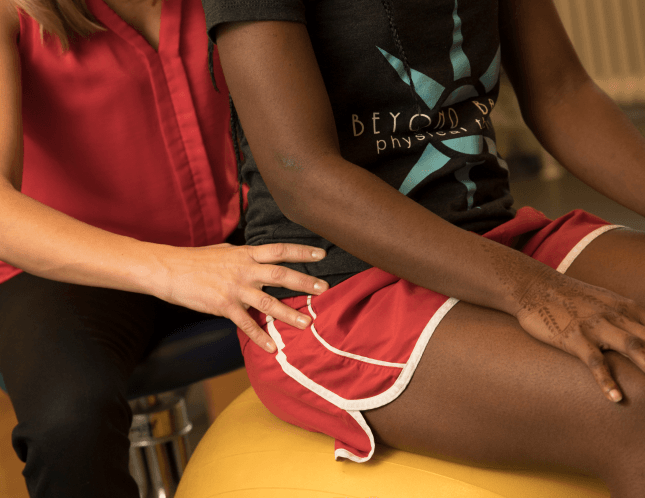
Beyond Basics: We Can Help
Get help now from a pelvic floor physical therapist for Perimenopause and Menopause.
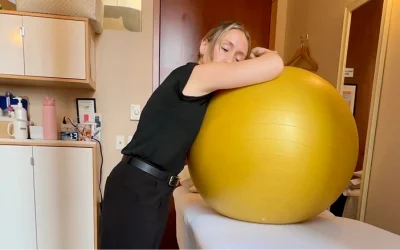
Birth Positions: Exploring Your Options
Maybe you picture yourself lying on your back, legs in stirrups, while a team of people coaches you through each contraction. We’ve seen this image countless times in movies, on TV, and even in childbirth classes. But lying on your back is just one option. Depending on your circumstances, you may be able to move and change positions throughout labor and birth.

Your Complete Guide to Navigating Perimenopause
What is perimenopause, and when does it start? If you are between the ages of 35 and 45 and...
GLP-1 Medications and Pelvic Floor Health: What to Keep in Mind
GLP-1 medications are a class of prescription medications used to support blood sugar regulation,...