



What is perimenopause, and when does it start?
If you are between the ages of 35 and 45 and starting to notice some shifts, such as changes in your menstrual cycle, a few night sweats, moments of forgetfulness, or feeling more moody than usual, you may be experiencing symptoms of perimenopause. This transitional stage is the lead-up to menopause, when your hormones, especially estrogen and progesterone, begin to fluctuate and bring about a variety of physical and emotional changes.
What many do not realize is that perimenopause can start as early as the mid-thirties, though it more commonly begins in the forties, and it spans one to two years to eight years or longer for others. The reason why the age of onset varies so widely is not fully understood, but research suggests genetics, lifestyle factors, and certain underlying medical conditions may play a role.
Menopause is reached when you have gone twelve consecutive months without a period. Postmenopause refers to the stage that follows, during which some people continue to experience symptoms.
What symptoms can I expect during perimenopause?
Cycle & Hormone-Related Changes
Cycle: One of the most commonly noticed and discussed changes in the perimenopause is menstrual cycle quality and regularity. If you have been tracking your cycle, you may notice that it is a little shorter or longer. You may also notice your periods are heavier or lighter. Some people also experience unexpected spotting between cycles. This may be due to shifting levels of estrogen and progesterone that cause some shedding of the uterine lining. Each individual is different.
Hormone-Related Changes: It can be a difficult time as one may experience hot flashes and night sweats, notice changes in sexual desire, or feel symptoms of vaginal dryness, itching, and or vaginal tissue atrophy. This tissue atrophy may present as thinning of the vaginal tissue internally or as loss of tissue elasticity.
Sleep, Mood, and Cognitive Changes
You may notice your sleep patterns changing, with difficulty falling asleep, staying asleep, or even new episodes of insomnia. This stage may manifest as depression, elevated anxiety, or mood swings. Many people discuss “brain fog,” which is defined as losing track of concepts, forgetting minor information, or simply not feeling as alert or concentrated as they once did. These changes can be annoying, especially if they start to interfere with daily tasks, even though they are normal with hormonal fluctuations.
Physical & Metabolic Changes
Energy, weight, and mood change during perimenopause. In addition to aging, hormonal changes often play a role. Fat may accumulate in the thighs, hips, and tummy when estrogen levels drop. In addition, sleep disturbances may make weight management more difficult.
Additionally, you may observe changes in the thickness and texture of your hair, drier skin, or stiffer joints. Because hormone fluctuations impact tissue health, some people experience pelvic heaviness or discomfort during sexual activity.
The encouraging part is that there are ways to support your body through all of this. Regular movement, balanced nutrition, good sleep, and the right support can really help you feel steadier, more steady, comfortable, and confident during the transition.
Emotional & Relationship Health
Emotional and relationship health changes that can be seen during this time include mood changes and increased anxiety. Hormonal changes can impact relationships and intimacy from a physical and emotional aspect. Physically, through an increase in vaginal dryness experienced, some have more pain with intercourse. A drop in sex hormones can emotionally reduce libido. Navigating these changes requires keeping the lines of communication open with your partner and loved ones. You can also manage these emotional shifts by receiving treatment from a therapist or health coach and having a solid support system.
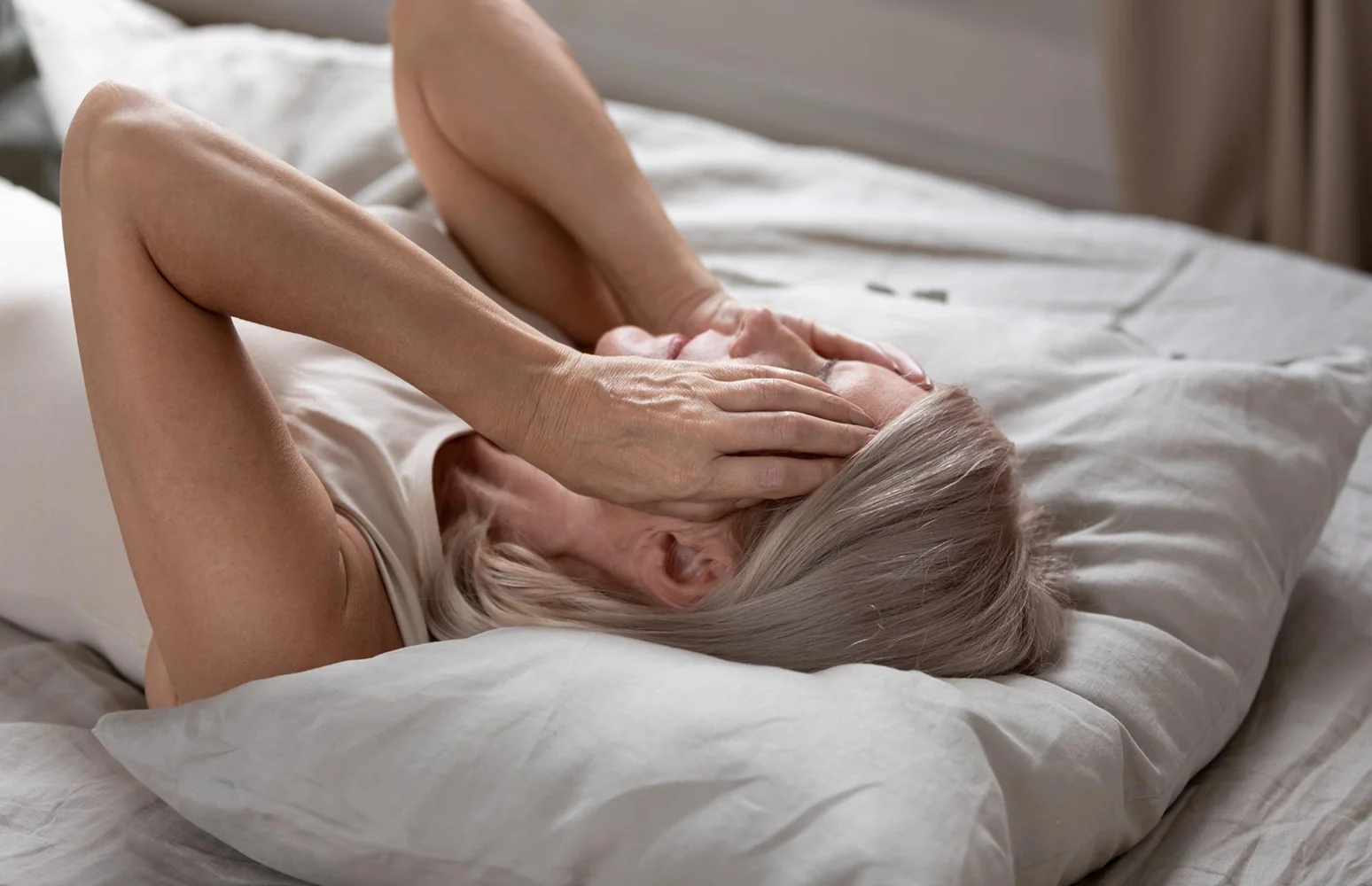
How can I recognize when it’s time to take action during perimenopause?
Quick Self-Check
Ask yourself:
- Has my menstrual cycle been falling out of its typical pattern?
- Am I struggling with sleep?
- Do I have more mood changes lately?
- Am I having difficulty concentrating on tasks or with recall?
- Do I have frequent hot flashes or night sweats?
- Has my weight changed unexpectedly?
- Do I notice vaginal dryness, itching, or discomfort?
- Do I have a decline in interest in intercourse?
Track Your Symptoms
It can be helpful to track your symptoms during your perimenopausal transition. This transition can vary in length from person to person, so tracking your symptoms is the best way for you to understand them. The transition ranges from 1 to 2 years to 8 years or longer. Some tracking tools you can try include journals or phone apps. Consider keeping your own log of your periods, flow, and symptoms throughout your cycle.
One of my personal favorite apps to recommend to patients for tracking their menstrual cycle and symptoms is “Flo”. Flo is user-friendly, reliable, and informative. There is a free version you can use for simple symptom tracking, and with an upgrade, you can access even more, like connecting with a healthcare professional to gain insights into why you may be experiencing particular symptoms, to help answer general questions you may have around this time, and more! Some other apps on the market include “Balance”, “Health & Her”, “Clue Perimenopause”, and “Caria”. Each of these apps offers different ways to track, access community support, and evidence-based information to navigate this transitional period.
Tracking makes it easier to understand your symptoms and to find patterns. It can also make it much easier to navigate talking to your healthcare professional about your perimenopausal journey, as you will have an organized system to share with them.

When to seek help from a professional during perimenopause?
Heavy or prolonged bleeding
During perimenopause, changes in your monthly cycle are common, but unusually heavy bleeding should not be disregarded. If you’re bleeding for more than a week, soaked through a pad or tampon in an hour, or bleeding between periods, see a doctor. These symptoms may be caused by fibroids, polyps, and other conditions.
Severe pelvic or abdominal pain
Mild cramps are common, but pain that disturbs sleep, day, or daily life must be handled. You do not have to just push through it.
Significant mood changes or anxiety
Hormonal changes can significantly impact your mood. However, if emotions of melancholy, irritation, anxiety, or emotional overwhelm are becoming difficult to manage or interfering with everyday living, professional help can be quite beneficial.
Bladder or bowel changes
Many women experience bladder or bowel abnormalities during perimenopause. Increased urgency, leakage, constipation, and other issues affecting your quality of life should be addressed. Many times, pelvic floor physical therapy can be incredibly beneficial.
Any symptom that worsens or interferes with daily life
A reasonable rule of thumb is that if a symptom interferes with your career, relationships, sleep, exercise regimen, or overall well-being, you should consult a healthcare provider. You don’t have to wait until things get serious.
Asking for help does not mean you’re doing something wrong or that your problems are unique. It implies you deserve aid. A pelvic floor physical therapist who specializes in perimenopause and menopausal health coaching can help you manage your symptoms and lifestyle to transition successfully.
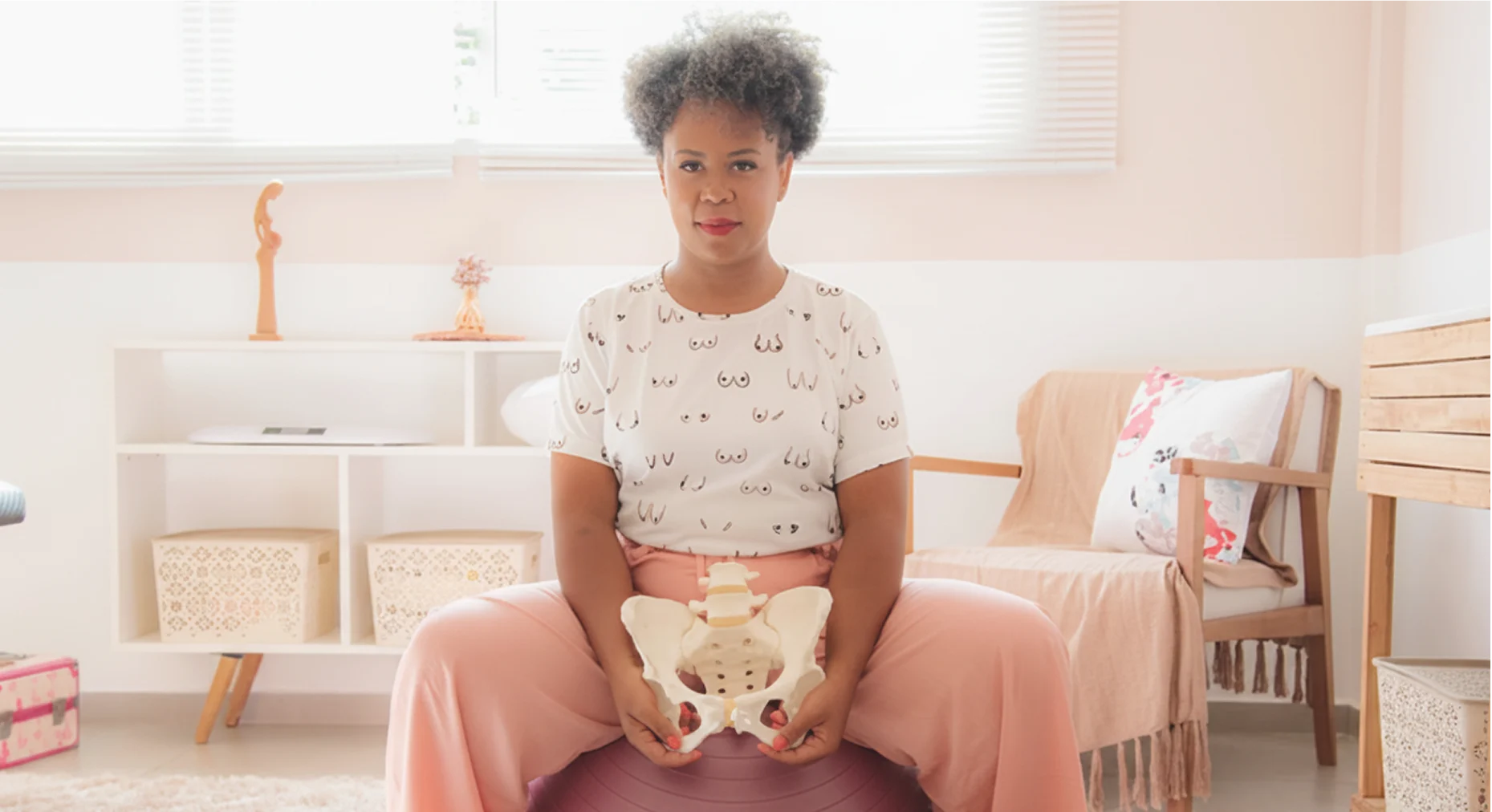
How can a pelvic floor physical therapist help me during perimenopause?
At your first visit, we look at the bigger picture. We talk about your menstrual cycle, physical symptoms, mood, stress levels, sleep, metabolic health, and even how these changes may be affecting your relationships or daily life. Taking this whole-person approach helps us identify patterns and connect symptoms that may be linked to hormonal changes.
We start with a pelvic floor assessment to see how everything is functioning. During perimenopause, hormonal changes can affect the pelvic tissues, which may show up as bladder leakage, urgency, pelvic discomfort, painful intercourse, or bowel changes. From there, we use hands-on treatment, guided exercises, movement strategies, and education to improve muscle function, support tissue health, and restore confidence in your body. If intimacy has become uncomfortable, we can also help with techniques and treatment to make things easier and more comfortable.
But it’s not just about the pelvic floor. As estrogen levels drop, it’s common to see changes in bone density, muscle mass, balance, and strength. That can increase the risk of falls or injuries over time. We focus on keeping you strong and active through strength training, weight-bearing exercise, balance work, posture, and mobility. We also help with the everyday stuff that shows up here, like joint stiffness, back pain, and general aches.
From a health-coaching perspective, it’s really about building habits that actually fit your life. Things like sleep, nutrition, hydration, stress, and daily routines all matter here. We also know this stage can be emotionally heavy for some people, so having a space where you feel heard and supported is just as important as the physical work.
And we don’t work in isolation. We work with your other doctors to discuss hormone therapy, vitamins, counseling, acupuncture, and sexual health support. Our mission is to help you understand, feel supported, and make confident decisions.
What lifestyle changes can make perimenopause symptoms more manageable?
Perimenopause is a natural process, but the symptoms can be overwhelming. Little modifications in your habits, done regularly, can add up to a lot. Lifestyle changes can help your body adapt, lessen symptoms, and enhance your health. Think of these alterations as tools to build strength, balance, and body awareness.
Prioritize nutrition, exercise, sleep, stress management, and daily habits. All help to control hormones, improve energy, and protect your health.
Nutrition
Protein, calcium, vitamin D, fiber, and anti-inflammatory foods should be eaten. Leafy greens, citrus, berries, quinoa, oats, whole wheat bread, salmon, legumes, olive oil, avocado, almonds, turmeric, ginger, and garlic are anti-inflammatory. Breakfasting with high-protein, healthy-fat can help regulate blood sugar and provide energy. Vitamin absorption and hormone balance are also helped by healthy fats.
Exercise
Incorporate low-impact cardio, strength training, and mobility or flexibility exercises. During the perimenopause, strength training is particularly crucial for maintaining muscle mass, preserving bone density, and boosting metabolism.
Sleep
Limit screen time before bed, stick to a regular wake-up and bedtime routine, and keep your bedroom cool. Use softer, warmer lighting at night to help your body prepare for sleep, and expose yourself to natural light in the morning to reset your circadian rhythm.
Stress Management
Deep breathing, therapy, setting appropriate limits, and mindfulness are some approaches that may help minimize cortisol spikes, which are often associated with symptoms such as mood swings, weight fluctuations, and disturbed sleep.
Daily Habits
Stay hydrated throughout the day and try to limit alcohol and caffeine, both of which can trigger hot flashes, disrupt sleep, and contribute to anxiety.

What should I know about hormone replacement therapy (HRT)?
Here’s a little bit of information to consider when it comes to hormone replacement therapy. HRT can be helpful in both the prevention of and coping with perimenopausal transitional symptoms. It can be used to help with the management of symptoms, including sleep quality, hot flashes, and changes related to intercourse. It has also been seen to help reduce the risk of cardiovascular disease and osteoarthritis and to improve cognitive function. This said, it is important to note that it is not safe for everyone to use and should always be discussed with a qualified health care provider who is knowledgeable about perimenopause and menopause health. A personalized approach with a qualified provider is key.
There are a couple of main types of hormone replacement therapy (HRT) you’ll usually hear about: bioidentical and synthetic. Compounding pharmacies can occasionally tailor bioidentical hormone replacement therapy (HRT) to your individual needs by adjusting dosage based on lab results or symptoms. Bioidentical HRT uses hormones that are made to match the ones your body naturally produces. Predetermined dosages of hormones that are chemically different from your body’s are used in synthetic hormone replacement treatment (HRT). The best course of action will depend on your symptoms, medical history, and your doctor’s advice. Both are popular. Premarin is an easy-to-get synthetic hormone.
There are also different forms of HRT delivery. Oral and transdermal (through the skin) estrogen are two. With oral delivery, there is a higher risk and an impact on the liver. With transdermal hormone delivery, cardiovascular risk is reduced because it bypasses the liver.
Overall, synthetic hormones have been linked to a higher risk of blood clots, stroke, and other cardiovascular issues. Bioidentical hormones, especially when administered transdermally, may have fewer liver-related side effects.
Lastly, we can discuss progesterone, which can be used orally or vaginally to protect the endometrium. This is considered because estrogen use can cause thickening of the endometrium, the lining of the uterus. This is known as endometrial hyperplasia, a risk factor for developing endometrial cancer. The use of progesterone can help protect one by regulating endometrial growth.
Oral administration allows progesterone to be absorbed systemically, which may help with other menopausal symptoms like hot flashes, night sweats, and difficulty sleeping. Vaginal administration delivers progesterone directly to the uterus, potentially resulting in higher local concentrations within the endometrium, and you can minimize systemic exposure while avoiding effects on the liver. There is more variability in the amount delivered compared to oral progesterone.
Lastly, discuss HRT windows. Typically, the best outcomes are seen when use is started within 5–10 years of menopause onset.
What’s the bottom line on perimenopause?
If perimenopause or menopause feels like a lot to navigate on your own, getting some personalized support can really help. A consultation with a perimenopause or menopause health coach can give you guidance that actually fits your symptoms, goals, and day-to-day life.
At Beyond Basics PT, many of our therapists are certified in perimenopause and menopause health coaching and help women work through everything from hormonal shifts and symptoms to exercise, lifestyle, and wellness changes. Having someone to guide you through it can make this whole stage feel a lot more manageable.