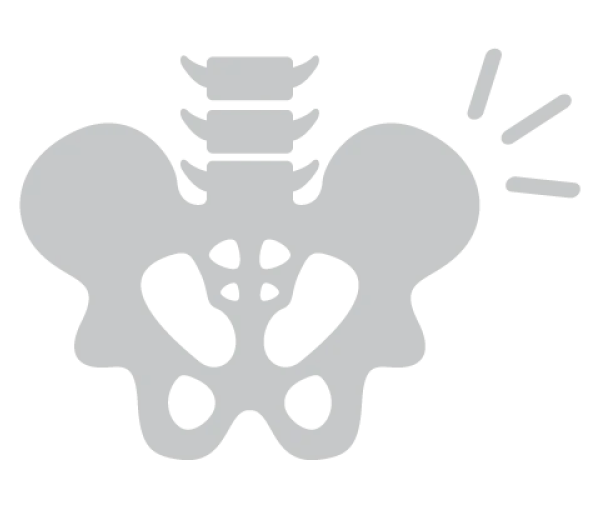
Vulvodynia and Vestibulodynia
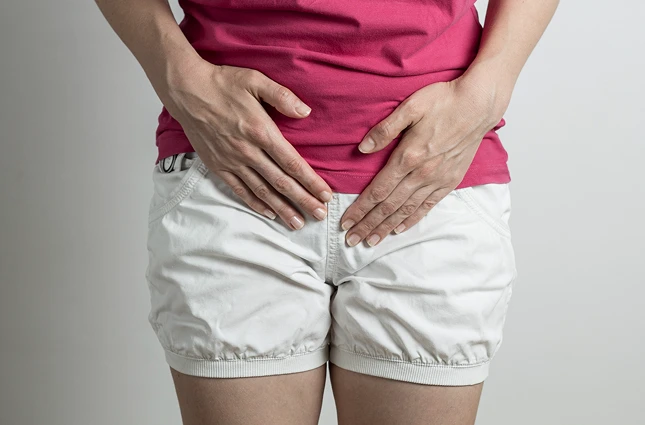
What Are Vulvodynia and Vestibulodynia?
Vulvodynia and vestibulodynia are related conditions, but they describe different patterns of vulvar pain.
Vulvodynia refers to ongoing pain in the vulva that lasts for months or longer without an active infection or visible skin condition. The pain can affect a broad area and might appear at rest or during daily activities like sitting, walking, or wearing certain clothing.
Vestibulodynia is a specific type of vulvodynia. The pain is localized to the vestibule, which is the tissue surrounding the vaginal opening. This pain usually appears with touch or pressure, such as tampon use, a pelvic exam, or sexual intercourse. When there is no contact, the area may feel normal.
So while vestibulodynia falls under the broader category of vulvodynia, not all vulvodynia involves vestibular pain.
People describe these symptoms in different ways. Pain might feel sharp, raw, irritated, or like a burning sensation. Symptoms can feel confusing, especially when medical tests come back normal.
From a pelvic floor physical therapy perspective, both conditions often involve muscle tension and nervous system sensitivity rather than tissue damage. Treatment focuses on helping the body calm protective responses and restore comfort.

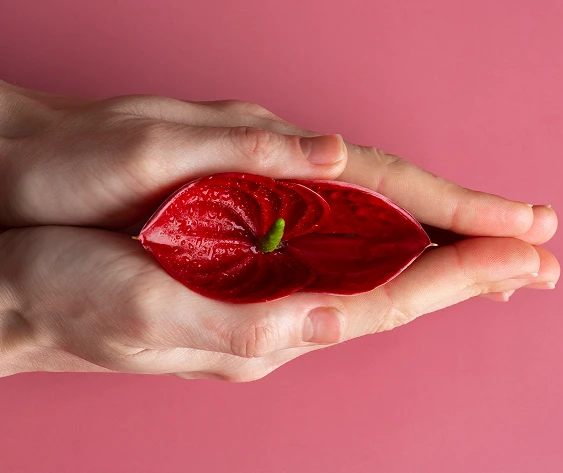
Symptoms can include:
- Persistent pain in the vulva without infection
- Pain triggered by touch or penetration of the vaginal opening
- Discomfort with sitting or pressure
- Sensitivity during tampon use or exams
- Avoidance of activities due to fear of pain
At Beyond Basics, our pelvic floor physical therapists look beyond surface symptoms to understand how muscles and nerves contribute to pain.
Get help with pelvic floor physical therapy.
What Causes Vulvodynia and Vestibulodynia?
These conditions rarely have a single cause. In some cases, a clear trigger is never identified. Pain often develops from a combination of tissue sensitivity, muscle guarding, and nervous system overprotection. Even after initial irritation resolves, the body can continue to signal pain.
Common contributing factors may include prior infections, hormonal shifts, prolonged pelvic tension, or repeated pain during exams or intimacy. Over time, the nervous system can become more reactive, causing pain to occur more easily and with less provocation.
Additional contributors can include:
- Chronic stress that increases muscle guarding
- Prolonged sitting that places pressure on the pelvic floor
- Previous pelvic procedures or injuries
- Repeated holding of urine or bowel movements
Pelvic floor physical therapy helps interrupt this cycle by addressing muscular patterns while calming the nervous system’s protective responses at the same time.
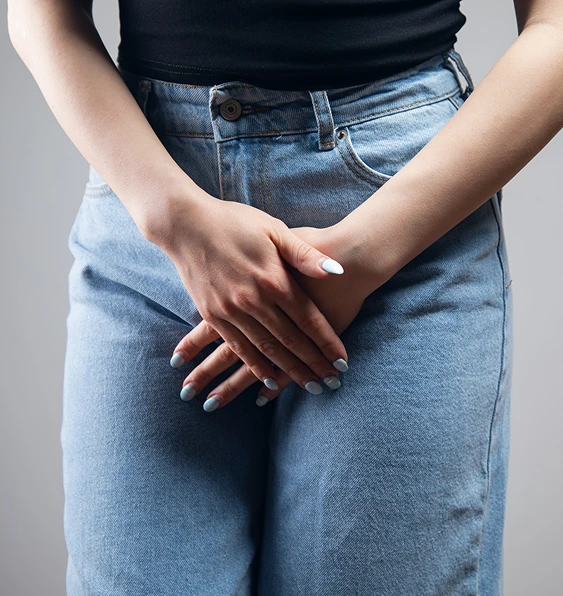
What Does the Pelvic Floor Have To Do with Vulvar Pain?
The pelvic floor supports the bladder, bowel, and reproductive organs and surrounds the vagina. When the pelvic floor muscles remain tight or overactive, they can place pressure on sensitive tissue and nerves near the vaginal opening.
In vulvodynia, this tension can contribute to widespread discomfort. In vestibulodynia, muscle guarding often focuses around the vaginal opening, increasing pain with contact. These patterns are physical and learned, not imagined.
Pelvic floor physical therapy works directly with these muscles to improve flexibility, coordination, and blood flow while reducing protective tension.
Causes of Pelvic Floor Dysfunction
Pelvic floor dysfunction often develops gradually and may stem from:
- Chronic stress that keeps the body in a guarded state
- Holding tension in the hips, jaw, or abdomen
- Breathing patterns that increase pelvic tightness
- Past pain experiences that trained the body to brace
- Limited awareness or control of pelvic muscles
- Muscle imbalances or movement patterns that create unnecessary tension
Pelvic floor physical therapy focuses on restoring mobility, coordination, and relaxation so these muscles can respond appropriately instead of defensively.

Benefits of Working with a Pelvic Floor Physical Therapist
A pelvic floor physical therapist at Beyond Basics can help you:
- Reduce muscle guarding that amplifies pain
- Calm nervous system sensitivity
- Improve circulation and tissue mobility
- Support comfort during daily activities and intimacy
- Address contributing muscle patterns instead of pushing through pain
- Restore confidence in how your body feels and responds
What To Expect
During Your Initial Appointment
Your first visit focuses on listening. Your therapist will ask about your symptoms, history, goals, and how pain affects your daily life. Nothing is rushed.
Your therapist might assess posture, breathing, hip mobility, and pelvic muscle function. A physical exam may be included if appropriate, always guided by your consent. You can pause or decline any part of the session. You will leave with simple tools and exercises designed to help your body begin relaxing and retraining between visits.
During Your Additional Appointments
Sessions last about an hour and focus on hands-on techniques, education, breathing, and gradual exposure to movement. Your therapist helps your body feel safe again and respond with less pain over time.
Reduce your pain today.
Client Testimonials