Clitoral Pain in Brooklyn, NY

At Beyond Basics, we acknowledge the particular difficulties that clitoral pain can create for those affected. Our approach is thoughtful, thorough, and personalized to meet the unique needs of each patient. Instead of merely addressing symptoms, we examine and treat the root causes of discomfort, aiming for long-term relief and functional improvement. Employing a variety of targeted techniques, our therapists work to alleviate pain, restore pelvic health, and support overall well-being. Patients benefit from a care plan that is both comprehensive and compassionate, designed to maximize effectiveness and ensure lasting improvements in comfort and quality of life.
Symptoms of Clitoral Pain
The symptoms of clitoral pain may manifest differently for each individual, appearing as mild, moderate, or intense discomfort, and can include one or more of the following conditions.
- Persistent throbbing or aching
- Sharp, stabbing pain
- Burning sensation
- Pain during or after pressure
- Itching around the clitoris
- Sensitivity to touch
- Rawness or irritation
- Pain during urination
- Discomfort with tight clothing
- Increased pain during sexual activity
Our team can help reduce your clitoral pain and restore your sexual health.
What are Causes of Clitoral Pain?
Skin conditions:
- Lichen sclerosus: A chronic autoimmune condition that causes white, itchy patches to develop on the vulva. Pain can arise when these patches extend to the clitoris, and ongoing irritation may require careful therapeutic management to minimize discomfort.
- Lichen planus: This condition produces purple, itchy bumps on the vulvar skin and can involve the clitoris, resulting in pain and heightened sensitivity. Treatment focuses on relieving itching and preventing further inflammation.
- Vulvar dermatitis: Defined as irritation and inflammation of vulvar skin, this condition can occur due to contact with irritants such as laundry detergents, soaps, or friction from clothing. Discomfort may specifically affect the clitoral area, causing localized pain.
Infections:
- Yeast infections: These infections are fungal in nature and can produce itching, burning, and irritation of the vulvar area. When the clitoris is involved, symptoms can include pronounced discomfort or pain, making everyday activities more challenging.
- Bacterial infections: Vulvar irritation caused by bacterial infections, including bacterial vaginosis, may lead to localized clitoral pain. Proper diagnosis and treatment are necessary to alleviate discomfort and maintain overall genital health.
- Sexually transmitted infections (STIs): Certain STIs, including herpes, chlamydia, and gonorrhea, can irritate the vulva and cause pain in the clitoral region. Medical attention is advised to manage symptoms and prevent further complications.
Other causes:
- Keratin pearls: These small, harmless bumps can appear on the clitoris. While usually not dangerous, they may in some cases interfere with the clitoral hood, resulting in irritation, discomfort, or localized pain that should be monitored.
- Injury: Trauma to the clitoris, whether from sexual activity, tight clothing, or childbirth, can result in pain. Healing and symptom management are often necessary to restore comfort.
- Vulvodynia: A chronic pain disorder that affects the vulva, sometimes involving the clitoris. Patients often experience ongoing or intermittent pain that may require a multidisciplinary approach to manage effectively.
- Nerve compression: Pain can occur when nerves surrounding the clitoris are irritated or compressed, potentially due to muscle tension, scar tissue, or other anatomical factors affecting nerve pathways.
- Underlying health conditions: Conditions such as diabetes can impact nerve function and may contribute to clitoral pain. Managing these health issues can help alleviate associated discomfort.

What Does the Pelvic Floor Have To Do With Clitoral Pain?
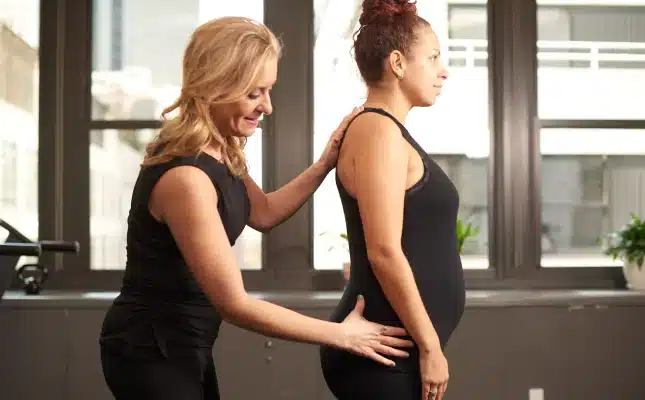
The pelvic floor is a complex group of muscles located in the lower pelvis, extending from the tailbone to the pubic bone, and occupying the area that comes into contact with a seat when sitting. These muscles are essential for providing support to pelvic organs, assisting with urinary and bowel control, and contributing to sexual response by contracting and relaxing during sexual activity. Their health is closely tied to overall pelvic well-being.
Clitoral pain can often affect the pelvic floor muscles, which are located in the lower pelvis. When these muscles are not functioning optimally, they may exert pressure on nearby anatomical structures, including the pudendal nerve, potentially leading to clitoral irritation and pain. Addressing pelvic floor dysfunction can help reduce discomfort and improve function.

Causes of Pelvic Floor Dysfunction
The underlying causes of pelvic floor dysfunction are diverse and can include both physical and medical factors. While this list is not comprehensive, it provides an overview of some of the more typical contributors to issues such as weakened, tight, or uncoordinated pelvic floor muscles.
- Psychological Stress
- Hip Injury/Pathology
- Gynecological Disorders (i.e. endometriosis)
- Childbirth (including both vaginal childbirth and C-sections)
- Low Back Injury/Pain
- Poor Posture
- Core Weakness
- Constipation
- Abdominal Surgery
Benefits of Working with a Pelvic Floor Physical Therapist For Clitoral Pain
- Alleviate clitoral and surrounding area pain
- Loosen tight muscles, reducing discomfort
- Enhance mobility and function through personalized exercises
- Rebalance the muscle dynamics of the pelvic floor
- Boost blood flow to facilitate healing
- Achieve better overall pelvic health and quality of life
- Improve sexual arousal

What To Expect
During Your Initial Appointment
During your initial visit, the Beyond Basics team will begin by asking detailed questions about your health history, lifestyle, and specific symptoms, including those associated with clitoral discomfort. Understanding your experiences in depth provides the context we need to assess your condition accurately and develop a treatment plan that fits your unique situation.
Following the consultation, we conduct a thorough physical examination. This evaluation includes a head-to-toe assessment and may involve internal and external examination of the pelvic floor muscles depending on your symptoms. The purpose of this hands-on approach is to locate the origin of your pain and identify the best strategies for relieving discomfort.
Manual techniques are applied carefully to the muscles, nerves, and bones of the pelvic region. Comfort is of utmost importance, and you have complete control over the process, including the ability to decline any procedure at any time. Your therapist will also create a set of personalized exercises for home use, designed specifically to target your symptoms and help you manage pain effectively between sessions.
During Your Additional Appointments
Each appointment for pelvic floor physical therapy is designed to last approximately one hour, during which your therapist carefully balances hands-on manual therapy with instruction in exercises and movement strategies. The session also includes discussion of your progress, answers to your questions, patient education regarding pelvic health, and detailed guidance on your at-home program to support recovery between appointments.
Many individuals begin to notice improvements in symptoms within eight weeks, although the timeline for relief can vary based on individual factors such as the complexity of the condition, frequency of sessions, and adherence to home exercises. Early gains are often encouraging and motivate continued participation in therapy.

How Pelvic Floor Physical Therapy Can Help with Clitoral Pain
As a resident of Brooklyn dealing with pelvic pain or clitoral discomfort, pelvic floor physical therapy can help address the root causes of your symptoms and provide long-term relief. By targeting the pelvic floor muscles and associated structures such as your spine, hips, and abdominal organs, therapy can restore function and reduce discomfort, helping you regain confidence in your daily activities.
Experienced therapists are trained to work with sensitive areas in a professional and empathetic manner. They take care to ensure you feel safe, comfortable, and supported throughout your sessions while providing guidance to maximize your recovery and pelvic health.
Reduce your clitoral pain today.
Client Testimonials
Sexual Pain Conditions We Treat
Alongside clitoral pain, we treat a variety of sexual pain conditions in individuals with female anatomy, focusing on symptoms that can affect intimacy, pleasure, and overall pelvic health. Our therapies address the underlying causes of discomfort, including muscle tension, nerve sensitivity, and structural imbalances.
- Pelvic Pain
- Persistent Genital Arousal Disorder (PGAD)
- Menopause and Postmenopause-related Sexual Pain and Dysfunction
- Pelvic Congestion Syndrome
- Pudendal Neuralgia
- Dyspareunia
- Painful sex after giving birth
- Pelvic Inflammatory Disease
- Lichens Sclerosis
- Lichens Planus
- Endometriosis
- Vaginismus
- Vulvodynia/Clitorodynia/Vestibulodynia
- Perineum Pain
- Decreased Arousal
- Difficulty Achieving Orgasm
- Pain with Arousal
- Groin Pain, Coccyx Pain, Back Pain, Hip Pain
- Anismus
- Pain with Anal Penetration
- Painful intercourse/sexual intercourse
- Pain at the vaginal opening/throughout the vaginal muscles
- Vaginal dryness
- Recurring pain/chronic pain
- Deep intercourse pain

For people with male anatomy:
- Erectile Dysfunction
- Peyronie’s Disease
- Chronic Prostatitis (also known as Chronic Pelvic Pain Syndrome or Prostadynia)
- Decreased Ejaculation Strength
- Pain with Ejaculation
- Premature Ejaculation
- Anismus
- Pain with Anal Penetration
- Varicocele
- Testicular or Penile Pain
- Perineum Pain
- Decreased Arousal
- Groin Pain, Coccyx Pain, Back Pain, Hip Pain
- Pain during sex
- Recurring pain
- Deep intercourse pain