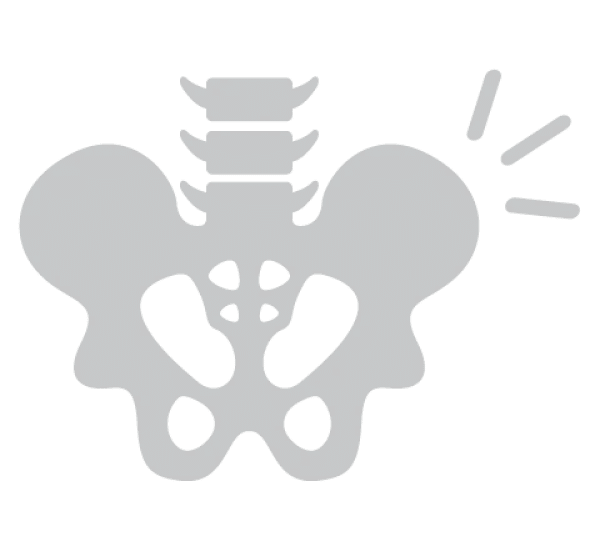
Clitoral Pain in Jersey City, NY

Clitoral pain can present a wide range of challenges, both physical and emotional, and at Beyond Basics, we understand how deeply it can impact daily life. Our approach is holistic, individualized, and guided by compassion, seeking to address not only the surface-level symptoms but also the underlying causes of discomfort. Through the use of multiple therapeutic techniques and evidence-based strategies, we aim to reduce pain, improve pelvic function, and support overall health. Each patient receives a tailored plan that prioritizes effective relief, long-term outcomes, and enhanced well-being, ensuring comprehensive care throughout the healing process.
Symptoms of Clitoral Pain
Symptoms of clitoral pain are diverse and can fluctuate in severity, sometimes appearing as minor discomfort and other times as more pronounced pain, often including one or several of the following.
- Persistent throbbing or aching
- Sharp, stabbing pain
- Burning sensation
- Pain during or after pressure
- Itching around the clitoris
- Sensitivity to touch
- Rawness or irritation
- Pain during urination
- Discomfort with tight clothing
- Increased pain during sexual activity
Our team can help reduce your clitoral pain and restore your sexual health.
What are Causes of Clitoral Pain?
Medically called clitorodynia, clitoral pain can originate from a range of different causes. Here is an explanation of some of the primary contributors that are often associated with this condition.
Skin conditions:
- Lichen sclerosus: This autoimmune disorder results in white, itchy patches on the vulva and can extend to the clitoris, causing pain and discomfort. The condition often requires ongoing monitoring to manage symptoms effectively.
- Lichen planus: A condition that manifests with purple, itchy bumps on the vulva. When the clitoris is affected, patients may experience pain, which can complicate daily activities and intimate contact, necessitating specialized care.
- Vulvar dermatitis: This is a general term describing irritation or inflammation of vulvar skin. Causes can include soaps, detergents, personal care products, or tight clothing, all of which can contribute to clitoral discomfort and localized pain.
Infections:
- Yeast infections: A common source of vulvar discomfort, yeast infections produce itching, burning sensations, and irritation that can sometimes extend to the clitoris. Symptoms may vary in intensity, requiring appropriate care for relief and symptom management.
- Bacterial infections: Bacterial vaginosis and other bacterial conditions can inflame the vulvar tissue and result in clitoral pain. Timely treatment helps reduce discomfort, restore healthy tissue, and prevent recurring irritation.
- Sexually transmitted infections (STIs): Infections such as herpes, chlamydia, and gonorrhea may cause vulvar irritation and clitoral discomfort. Early identification and treatment are crucial for reducing pain and protecting long-term genital health.
Other causes:
- Keratin pearls: Small white bumps known as keratin pearls may form on the clitoris. While they are typically benign, they can sometimes block the clitoral hood and create localized irritation or pain that may need evaluation.
- Injury: Pain in the clitoris can result from injury sustained during sexual activity, from wearing tight clothing, or due to childbirth. These injuries can lead to temporary or persistent discomfort that may require treatment.
- Vulvodynia: This chronic condition causes persistent vulvar pain and can include the clitoris as part of the affected area. Effective management often involves multiple treatment approaches to relieve symptoms.
- Nerve compression: Compression or irritation of the nerves near the clitoris can trigger localized pain. This may result from physical trauma, scar tissue formation, or musculoskeletal pressure.
- Underlying health conditions: Certain medical conditions, such as diabetes, can impact nerve function and potentially lead to clitoral pain. Proper care and management of these conditions may reduce discomfort.
It is always important to understand that this overview does not cover every possible reason for clitoral pain. Consulting a healthcare professional is the best way to ensure a proper evaluation, so that they can identify the cause of your pain and recommend the most suitable and individualized course of treatment.

What Does the Pelvic Floor Have To Do With Clitoral Pain?
The pelvic floor is an important collection of muscles found between the pubic bone and the tailbone, roughly in the area that comes into contact with a bicycle seat when sitting. These muscles provide critical support for pelvic organs, help regulate bladder and bowel movements, and play a role in sexual response through coordinated contraction and relaxation during sexual activity. Healthy pelvic floor muscles are essential for both physical and sexual well-being.
Pain in the clitoral region can often disrupt the normal activity of the pelvic floor muscles. Dysfunction or tension in these muscles may place pressure on adjacent areas, such as the pudendal nerve, leading to increased sensitivity or pain in the clitoris. Addressing these muscle issues is often necessary to relieve discomfort and improve pelvic function.

Causes of Pelvic Floor Dysfunction
There are many different factors that can lead to pelvic floor dysfunction, and no single list can capture every possibility. The following examples represent some of the more commonly identified causes that may contribute to pain, tension, or improper function of the pelvic floor muscles.
- Psychological Stress
- Hip Injury/Pathology
- Gynecological Disorders (i.e. endometriosis)
- Childbirth (including both vaginal childbirth and C-sections)
- Low Back Injury/Pain
- Poor Posture
- Core Weakness
- Constipation
- Abdominal Surgery
Benefits of Working with a Pelvic Floor Physical Therapist For Clitoral Pain
Working with a qualified pelvic floor physical therapist offers many advantages for people suffering from clitoral pain:
- Alleviate clitoral and surrounding area pain
- Loosen tight muscles, reducing discomfort
- Enhance mobility and function through personalized exercises
- Rebalance the muscle dynamics of the pelvic floor
- Boost blood flow to facilitate healing
- Achieve better overall pelvic health and quality of life
- Improve sexual arousal
If you are in Jersey City and experiencing pelvic discomfort or seeking preventive support, your health deserves careful attention. By receiving individualized care designed around your specific needs, you can reduce pain, strengthen your pelvic function, and regain confidence in your daily activities. Expert guidance ensures that your path to wellness is both safe and effective.

What To Expect
During Your Initial Appointment
At your first appointment, our team at Beyond Basics will take time to ask comprehensive questions about your medical history, your lifestyle habits, and any symptoms you are experiencing, especially those related to clitoral pain. Gathering this information allows us to gain the insights needed to develop a precise, individualized treatment plan tailored to your needs.
After the initial discussion, we conduct a hands-on physical examination. This evaluation examines your body from head to toe and may include an internal assessment of the pelvic floor muscles. The goal is to trace your symptoms back to their source and determine the most effective ways to reduce pain and improve overall pelvic function.
The internal manual techniques we use focus on the muscles, nerves, and bones within the pelvic region, applied in a manner that prioritizes your comfort. You retain full autonomy during every part of the process and may decline any treatment at any time without explanation. Additionally, your therapist will provide customized exercises to be performed at home, designed to address your specific symptoms and support ongoing relief and recovery.
During Your Additional Appointments
Pelvic floor physical therapy sessions are typically one hour in length, providing enough time for your therapist to administer hands-on manual techniques, teach targeted exercises and movements, review your treatment progress, answer questions, and provide educational guidance on pelvic health. A portion of this time is also devoted to reviewing your at-home exercise plan, ensuring you understand and can safely perform your prescribed routines between sessions.
Most patients experience noticeable improvement in symptoms within an eight-week period, with some individuals reporting relief sooner depending on their condition and engagement with both in-session and at-home exercises. Regular monitoring allows your therapist to adjust treatment strategies to maximize your recovery.
How Pelvic Floor Physical Therapy Can Help with Clitoral Pain
If you live in Jersey City and are struggling with pelvic floor issues or clitoral pain, therapy can help you treat the underlying causes of your symptoms for lasting improvement. By addressing the pelvic floor muscles and related structures including the hips, spine, and abdominal organs, therapy works to restore proper function, reduce discomfort, and improve your overall well-being.
A skilled pelvic floor therapist ensures that treatment is conducted with the utmost care, making you feel comfortable, safe, and confident while guiding you toward recovery. Their goal is to provide individualized care that supports both immediate relief and long-term pelvic health.
Reduce your clitoral pain today.
Client Testimonials
Sexual Pain Conditions We Treat
In addition to clitoral discomfort, our clinical services encompass other sexual pain issues that people with female anatomy may experience. This includes pain during sexual activity, ongoing pelvic tension, or sensitivity in surrounding areas that can reduce comfort and hinder sexual satisfaction.
- Pelvic Pain
- Persistent Genital Arousal Disorder (PGAD)
- Menopause and Postmenopause-related Sexual Pain and Dysfunction
- Pelvic Congestion Syndrome
- Pudendal Neuralgia
- Dyspareunia
- Painful sex after giving birth
- Pelvic Inflammatory Disease
- Lichens Sclerosis
- Lichens Planus
- Endometriosis
- Vaginismus
- Vulvodynia/Clitorodynia/Vestibulodynia
- Perineum Pain
- Decreased Arousal
- Difficulty Achieving Orgasm
- Pain with Arousal
- Groin Pain, Coccyx Pain, Back Pain, Hip Pain
- Anismus
- Pain with Anal Penetration
- Painful intercourse/sexual intercourse
- Pain at the vaginal opening/throughout the vaginal muscles
- Vaginal dryness
- Recurring pain/chronic pain
- Deep intercourse pain

For people with male anatomy:
- Erectile Dysfunction
- Peyronie’s Disease
- Chronic Prostatitis (also known as Chronic Pelvic Pain Syndrome or Prostadynia)
- Decreased Ejaculation Strength
- Pain with Ejaculation
- Premature Ejaculation
- Anismus
- Pain with Anal Penetration
- Varicocele
- Testicular or Penile Pain
- Perineum Pain
- Decreased Arousal
- Groin Pain, Coccyx Pain, Back Pain, Hip Pain
- Pain during sex
- Recurring pain
- Deep intercourse pain