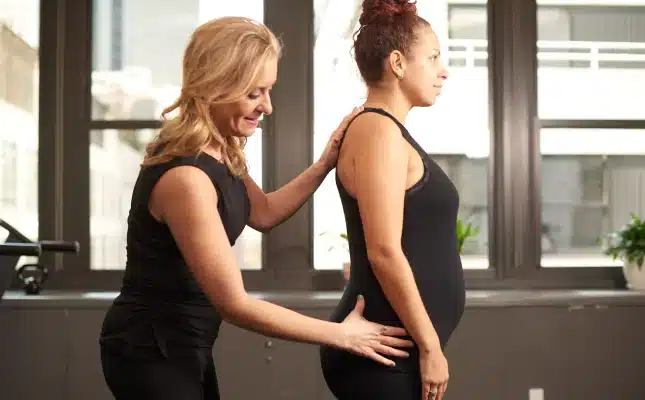
Female Pelvic Pain and Pelvic Pain in People with Female Anatomy
Find relief from pelvic pain with expert physical therapy
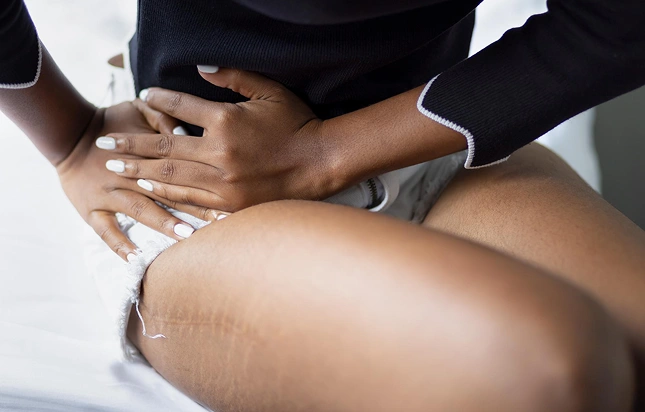
Understanding Pelvic Pain
At Beyond Basics, we treat pelvic pain in people with female anatomy by looking at the whole picture, including how your muscles move, how you breathe, and how your body responds to stress. This helps us uncover the root of your pain and guide you toward relief.
Common Symptoms of Pelvic Pain in People with Female Anatomy
Pelvic pain can present in many ways and vary from person to person. Some of the most common symptoms include:
- Pain with sex (dyspareunia): during penetration, deep thrusting, or afterward
- Pelvic pressure or heaviness: a sensation of fullness, dragging, or aching
- Burning, stabbing, or sharp pain: localized in the vulva, vagina, or lower abdomen
- Pain with urination or bowel movements: discomfort, urgency, or difficulty emptying
- Menstrual or ovulatory pain: severe cramps before, during, or after periods
- Lower back, tailbone, or hip pain: often overlooked as related to pelvic floor dysfunction
- Pain when sitting for long periods: especially on firm surfaces
- Vaginal or vulvar discomfort: dryness, irritation, or hypersensitivity
- Pain during tampon use or pelvic exams: due to muscle tension or inflammation
- Tightness or spasms in the pelvic floor muscles: often described as “clenching” or “gripping”
-
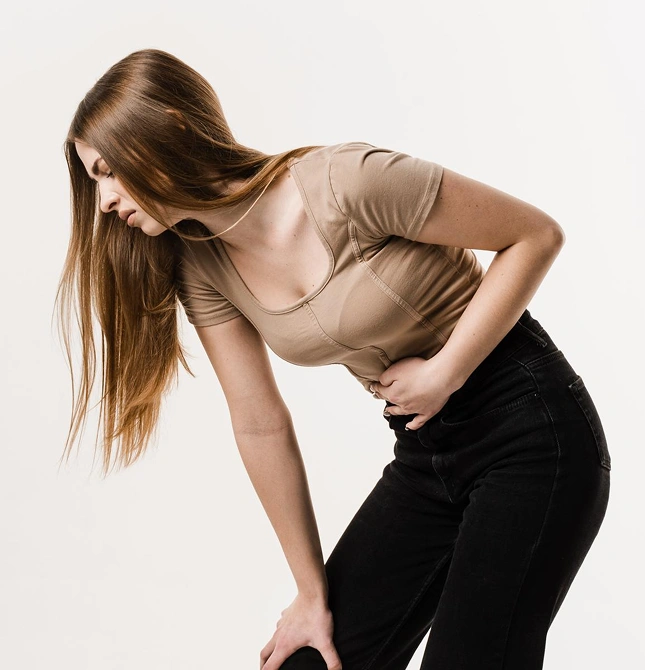
Associated Complaints That May Exist
People experiencing pelvic pain may also report a range of related concerns, such as:
- Bladder issues: urinary frequency, urgency, leakage, or incomplete emptying
- Bowel dysfunction: constipation, straining, or discomfort during bowel movements
- Sexual health concerns: reduced libido, fear of intimacy, or inability to orgasm
- Abdominal bloating or digestive discomfort: even when GI tests appear normal
- Postural or movement changes: guarding, limping, or altered gait due to chronic pain
- Fatigue or sleep disturbances: from living with ongoing discomfort
- Emotional distress: including anxiety, depression, or frustration around misdiagnoses
- Pain flare-ups: triggered by stress, hormonal changes, activity, or no clear cause
-
Common Diagnoses of Pelvic Pain in People with Female Anatomy
Pelvic Floor Muscle Dysfunction
- Pelvic Floor Dysfunction: Muscles may be too tight, too weak, or poorly coordinated, leading to pain, incontinence, or sexual discomfort.
- Levator Ani Syndrome / Myofascial Pain Syndrome: Persistent tension or trigger points in the pelvic floor, often causing deep aching or rectal pain.
- Vaginismus: Involuntary tightening of the pelvic floor muscles, often triggered by penetration or anxiety.
- Coccydynia (Tailbone Pain): Pain near the tailbone, especially while sitting or after a fall.
- Postpartum Pelvic Pain: May be due to muscle trauma, episiotomy scars, or core instability following childbirth.
-
Gynecological & Hormonal Conditions
- Endometriosis: Tissue similar to the uterine lining grows outside the uterus, causing pain with periods, sex, bowel movements, or urination.
- Pelvic Organ Prolapse: Pelvic organs shift or press into the vaginal canal, often causing heaviness, discomfort, or urinary issues.
- Menstrual-Related Pain: Severe cramps or ovulatory pain not explained by imaging or labs.
- Hormonal Changes / Perimenopause: Shifts in estrogen can lead to vaginal dryness, pain, and tissue sensitivity.
-
Bladder & Bowel-Related Diagnoses
- Interstitial Cystitis / Bladder Pain Syndrome (IC/BPS): Chronic bladder inflammation with pain, pressure, urgency, or frequency.
- Irritable Bowel Syndrome (IBS): May coexist with pelvic floor issues and present with bloating, constipation, or diarrhea.
- Chronic Constipation & Straining: Can cause tension in the pelvic floor and nerve irritation.
-
Vulvar & Vaginal Pain Conditions
- Vulvodynia / Vestibulodynia: Burning, rawness, or hypersensitivity at the vulva or vaginal opening—often without visible signs.
- Dryness and Atrophy: Often related to hormonal changes, causing friction, irritation, and pain with touch or penetration.
- Pain During Tampon Use or Exams: Often due to tissue sensitivity or pelvic floor tension.
-
Nerve-Related Diagnoses
- Pudendal Neuralgia: Compression or irritation of the pudendal nerve causing burning, tingling, or stabbing sensations in the perineum, genitals, or rectum.
- Other Nerve Entrapments: Including ilioinguinal, genitofemoral, or obturator neuralgia, which can present as groin or thigh pain.
- Post-Surgical Nerve Pain: After C-sections, hysterectomies, or laparoscopies, scar tissue or nerve injury may lead to chronic pelvic pain.
-
Vascular & Structural Causes
- Pelvic Congestion Syndrome: Enlarged pelvic veins can cause aching, heaviness, or dull pain—especially after standing or around menstruation.
- Adhesions (Scar Tissue): Internal scar tissue from surgery, trauma, childbirth, or infection may restrict movement and cause referred pain.
-
Psychosocial and Systemic Drivers
- Sexual Trauma or PTSD: Emotional trauma can lead to muscle guarding, tension, or chronic pain.
- Hypermobile Spectrum Disorders / Ehlers-Danlos Syndrome (EDS): Joint instability may contribute to pelvic floor dysfunction or prolapse.
- Functional Pain Syndromes (e.g., Fibromyalgia): May amplify pelvic pain through central nervous system sensitization.
- Chronic Stress & Anxiety: Can exacerbate symptoms and contribute to muscle tension, digestive changes, and nervous system dysregulation.
-
Common Causes of Pelvic Pain in People with Female Anatomy
Treatment for Pelvic Pain
We use hands-on techniques to release muscle tension, improve mobility, and reduce sensitivity. This may include internal or external manual therapy, biofeedback, movement retraining, and exercises to build coordination, not just strength. We also work with you on strategies for daily life, so you can move with less pain and get back to the things you enjoy.
Client Testimonials
Beyond Basics: We Can Help
Since 2003, Beyond Basics has been a place of hope and healing for our patients. We believe skilled and compassionate healing can restore your body’s harmony and balance. Founder, Amy Stein, and co-founder, Corey Hazama are renowned experts and leaders in pelvic floor PT.
The skilled physical therapists at Beyond Basics receive extensive training to qualify them to be the world’s leaders in pelvic floor rehabilitation. All of our therapists have been carefully selected to work at Beyond Basics because they possess the right expertise, kindness, and empathy to allow them to excel at our practice. Our therapists have completed hundreds of additional hours outside of their doctorates both internally and externally through institutes such as Herman and Wallace and the American Physical Therapy Association, to help hone their practice and provide exceptional treatment efficiently and compassionately. In addition to being the world’s first and foremost experts in pelvic floor dysfunction, our individual therapists have cultivated additional skills unique to their own personal interests. Read more about each one of our therapists here.