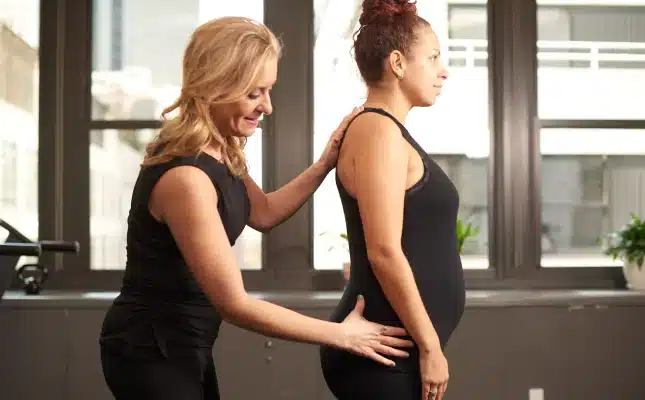
Perimenopause & Menopause Health Coaching in Downtown, NY
You are not alone in this transition.

Understanding Perimenopause and Menopause
Menopause takes place once an individual has gone an entire year—12 uninterrupted months—without experiencing a menstrual cycle. Although this process is part of the body’s natural rhythm, it occurs because the ovaries slow their production of essential hormones, leading to overall lower hormone levels in the body. Unfortunately, this shift often brings along a range of symptoms that can feel difficult or even exhausting to manage.
Beyond Basics is here to help minimize those challenges by offering supportive pelvic floor physical therapy, valuable education, and day‑to‑day lifestyle strategies designed to make this transition smoother.
There are three distinct stages within menopause, which are:
- Perimenopause: This transitional period typically begins in the late 30s to mid‑40s. Hormonal activity becomes less consistent, which in turn brings about cycle irregularities. Women may notice variations such as unpredictable periods, changes in how heavy or light bleeding becomes, shifts in mood, sudden warmth or hot flashes, difficulty getting restful sleep, differences in sexual response, and even alterations in urinary or bowel patterns.
- Menopause: This is confirmed when a full 12 months have passed with no menstrual cycles, signifying that fertility has come to an end.
- Postmenopause: The stage that follows menopause, where many of the earlier symptoms persist but tend to become milder and less disruptive.

Symptoms of Perimenopause and Menopause
A simple phrase captures what many feel in perimenopause and menopause: “I just don’t feel like myself anymore.” Whether it’s emotional ups and downs, nights spent tossing and turning, or changes in your body that leave you confused, these symptoms are very real and deserve understanding. Let’s explore these changes in more depth and talk about ways they can be managed with care, education, and support.
The truth is, each person’s experience is unique. Symptoms go beyond the well‑known hot flashes, extra pounds, night sweats, and difficulty resting. In many cases, these challenges can persist for years—sometimes mild, sometimes intense—affecting overall well‑being.
Common symptoms include:
- Vaginal or vulvar dryness
- Vaginal or vulvar burning
- Vulvar itching
- Sexual difficulty
- Pain during sex
- Increased urinary tract infections
- Pelvic floor muscle weakness
- Pelvic floor muscle overactivity
- Urinary incontinence and fecal incontinence
- Pelvic organ prolapse (when the bladder, uterus, small intestine, or rectum drops into the vaginal vault)
- Mood swings
- Tendon health concerns
- Osteoporosis
- Cardiac health concerns
- Musculoskeletal pain
How strongly symptoms are felt can depend on many elements, including a person’s overall health, daily lifestyle choices, and other unique variables. The reassuring part is that targeted interventions, such as pelvic floor physical therapy along with professional health coaching, can play a major role in easing or even completely resolving a wide range of these symptoms.
Get help now from a pelvic floor physical therapist for Perimenopause and Menopause.
Physical Therapy Treatments for Perimenopause, Menopause, and Postmenopause
During menopause and even in the years that follow, many people experience pelvic floor muscles that either lack strength or become overly tense, often resulting in troublesome symptoms. To address this, treatment plans are designed around your personal needs, with exercises and targeted interventions chosen to directly address what you are feeling. These may include:
- Pelvic floor muscle training to strengthen and restore function to the muscles
- Core exercises
- Strength training exercises
- Breathing exercises
- Postural correction
- Mobility work to improve range of motion
- Patient education on lifestyle modifications to decrease inflammation in the body
- Manual therapy techniques
- Changing toileting mechanics
- Use of pelvic floor tools (including vaginal weights, wands, and dilators)

Lifestyle Support Through Health Coaching
In addition to the benefits of pelvic floor physical therapy, our coaching program expands your support network by addressing crucial elements that influence well‑being during perimenopause and menopause, such as:
- Tailored nutrition and hydration guidance designed to promote hormonal stability and maintain pelvic function
- Exercise and movement plans crafted just for you to safeguard bone health and build lasting strength
- Sleep improvement techniques that encourage better rest and faster recovery each day
- Stress management approaches and mindfulness practices that help create balance in your routine
- Collaboration with your medical team to ensure a coordinated and comprehensive care plan
- Referrals to providers with expertise in perimenopause and menopause who can help evaluate options like hormone therapy and related treatments

Benefits of Physical Therapy and Health Coaching for Perimenopause and Menopause
Through our well‑rounded program, you can expect improvements in several areas, including:
- Better overall pelvic floor function and control
- Relief from vaginal discomfort such as pain, dryness, or itching
- A noticeable reduction in bladder urgency and frequency
- Support in resolving bowel and gastrointestinal challenges
- Enhanced sexual function along with greater physical comfort
- Strengthening of pelvic and supportive muscle groups
- Long‑term maintenance of pelvic floor health and resilience
- Practical skills and knowledge to help prevent symptoms from returning
- A decrease in hot flashes, unwanted weight gain, night sweats, and sleep disturbances
You don’t have to figure it out alone.
We’ll create a personalized plan that fits your needs and goals.
What To Expect
During Your Initial Physical Therapy Appointment
When you arrive for your first session with our team at Beyond Basics in Downtown, NY, we’ll begin by getting to know more about you through a detailed conversation. We’ll ask questions about your medical history, daily habits, and current physical concerns. This initial dialogue allows us to gather essential information so we can tailor our care to your specific needs.
After the conversation, we’ll move on to a physical evaluation. This typically includes a hands-on assessment guided by your reported symptoms. In some cases, and only if appropriate, we may perform an external and/or internal pelvic floor exam to identify the underlying causes of any pain or dysfunction. The objective is to uncover and treat the root of your issue—not just the symptoms. You’ll also leave with customized exercises to begin doing at home, helping you take an active role in your healing process.
At Beyond Basics, we emphasize comfort and consent. You are always in control, and you’re welcome to decline any part of the evaluation or treatment at any time—no explanation necessary.
During Your Additional Physical Therapy Appointments
Our primary objective as your care provider is to deliver compassionate, whole-body treatment that not only addresses symptoms but helps restore your overall well-being. The length of your sessions will be shaped by your individual needs and preferences, in coordination with the guidance of your physical therapist.
Most patients begin noticing meaningful improvements within a few weeks, often as early as the 8-week mark or even sooner depending on the condition and consistency of care.
Client Testimonials
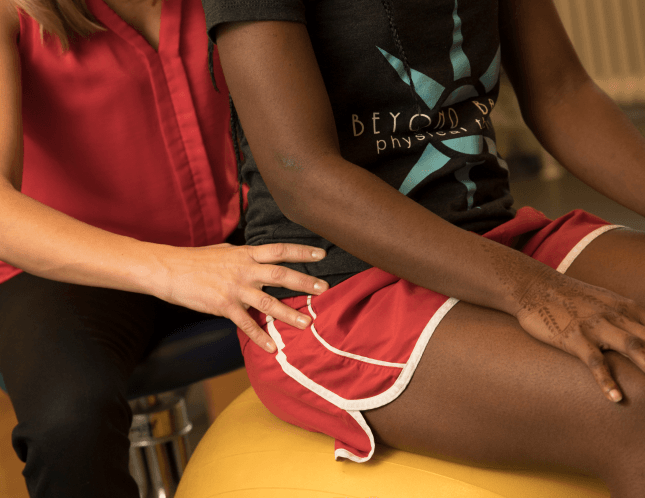
Beyond Basics: We Can Help
At Beyond Basics in Downtown, NY, we provide care for pelvic floor dysfunction with deep respect for the individual needs of every patient we serve. Our approach is inclusive and thoughtful, embracing people of all genders, identities, races, ages, and orientations, while treating each person as a whole through a thorough and caring biopsychosocial perspective.
Since 2003, our Downtown location has stood as a source of support and renewal for those seeking relief and recovery. We believe in the power of compassionate expertise to bring back balance and harmony to the body. Guided by the leadership of founder Amy Stein and co‑founder Corey Hazama—both recognized internationally as innovators in pelvic floor physical therapy—our team carries forward a legacy of excellence and patient‑centered care.
Every therapist practicing in Downtown has undergone extensive preparation to become one of the world’s foremost specialists in pelvic floor rehabilitation. Our team members are carefully chosen for their advanced knowledge, genuine kindness, and dedication to practicing with empathy, which enables them to thrive in our unique environment.
Beyond their doctoral degrees, our Downtown therapists have pursued hundreds of additional hours of training through prestigious programs such as Herman and Wallace and the American Physical Therapy Association. This ongoing professional development equips them to offer advanced, compassionate care efficiently and effectively. In addition, each therapist cultivates individual areas of expertise to bring added depth to our services. Explore more about each of our Downtown therapists here.
Get help now from a pelvic floor physical therapist for Perimenopause and Menopause.

Your Complete Guide to Navigating Perimenopause
What is perimenopause, and when does it start? If you are between the ages of 35 and 45 and...
GLP-1 Medications and Pelvic Floor Health: What to Keep in Mind
GLP-1 medications are a class of prescription medications used to support blood sugar regulation,...

Shockwave Therapy
Living with chronic pain or an injury can be frustrating, especially when traditional treatments...