

Prostatitis

What is Prostatitis?
The discomfort can range from mild to intense and can come and go, making it frustrating and disruptive to daily life.
Symptoms can include:
- Pressure, aching, or burning in the pelvis, perineum, or lower back
- Pain that worsens after sitting, urinating, or ejaculation
- Frequent urge to urinate or feeling of incomplete emptying
- Discomfort during or after sexual activity
- Tension or tightness in the pelvic floor or lower abdomen
- Difficulties initiating urination or a decreased urinary flow

If you’ve been searching for answers, take the first step toward compassionate, expert care.
What Causes Prostatitis?
Nonbacterial prostatitis often develops from tension or dysfunction in the pelvic floor muscles. When these muscles stay tight or overactive, they can irritate nearby tissues and nerves, creating inflammation-like sensations in the prostate and surrounding areas. Stress, prolonged sitting, or straining with bowel movements can worsen this muscle tension and keep the pain cycle going.
Other factors that can contribute include:
- A history of pelvic or lower back injury
- Previous infections or inflammation that sensitized pelvic nerves
- Poor posture or pressure on the pelvic floor during sitting
- Repeated holding of urine or delaying bowel movements

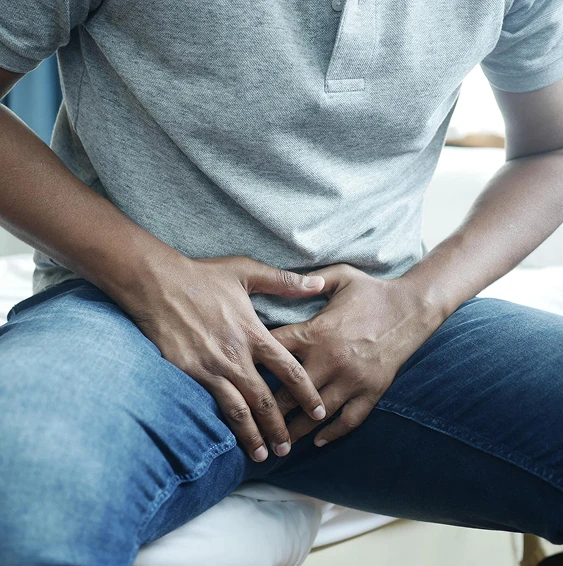
What Does the Pelvic Floor Have To Do with Prostatitis?
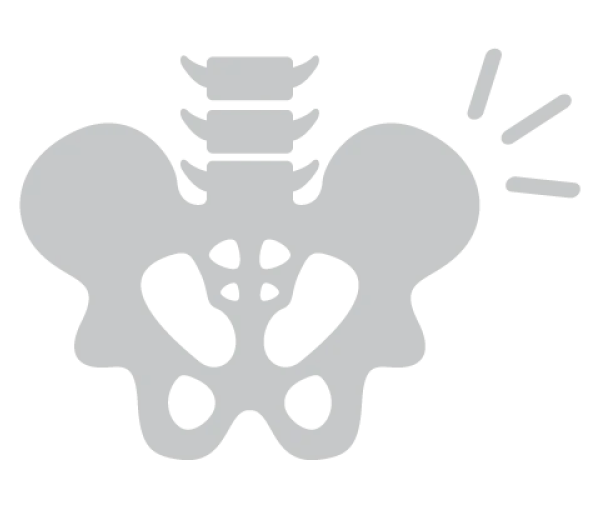
Many people are surprised to learn that their symptoms are not from prostate inflammation or infection at all, but rather from pelvic floor dysfunction. Overactive muscles in this area can compress nerves that travel through the pelvis, leading to burning, aching, or fullness in the prostate, penis, perineum, or lower abdomen. Even after multiple rounds of antibiotics, symptoms often persist because the true issue lies in the muscles, not bacteria.
Causes of Pelvic Floor Dysfunction
Many different factors can contribute to pelvic floor dysfunction, including:
- Chronic stress that causes muscle guarding and tightness
- Previous pelvic or back injuries that alter muscle coordination
- Core weakness that places extra strain on the pelvic muscles
- Constipation and frequent straining
- Prolonged sitting or poor posture that increases pelvic pressure
- Surgeries or medical procedures that affect local nerves or tissue
Benefits of Working with a Pelvic Floor Physical Therapist For Prostatitis
- Relieve ongoing pelvic, perineal, or prostate-area pain
- Release tight muscles that put pressure on the prostate and surrounding nerves
- Improve blood flow to reduce inflammation and irritation
- Restore healthy coordination between the pelvic floor, hips, and core
- Calm the nervous system’s response to pain and tension
- Address the underlying muscular and nerve issues so you can return to your normal activities without discomfort
- Improve posture and movement patterns to reduce stress or strain on the pelvic floor

What To Expect
During Your Initial Appointment
At your first appointment, our team at Beyond Basics will spend time learning about your health history and the symptoms you’ve been experiencing, such as pelvic pressure, urinary frequency, or pain after ejaculation. We’ll discuss what triggers or relieves your symptoms to help us understand how your body is responding.
Next, your physical therapist will perform a full-body assessment that includes a hands-on evaluation of your posture, breathing, and pelvic floor muscle function. If appropriate, this might involve both external and internal assessment of the pelvic muscles to identify areas of tightness, weakness, or nerve irritation contributing to your symptoms.
Your comfort is always the priority. You can decline any part of the exam or treatment at any time, for any reason.
Your physical therapist will also design a personalized home exercise program to help you relax and retrain your pelvic muscles between visits.
During Your Additional Appointments
Reduce your pain today.
Client Testimonials
Beyond Basics: We Can Help
Since 2003, Beyond Basics has been a place of hope and healing for our patients. We believe skilled and compassionate healing can restore your body’s harmony and balance. Founder, Amy Stein, and co-founder, Corey Hazama are renowned experts and leaders in pelvic floor PT.
The skilled physical therapists at Beyond Basics receive extensive training to qualify them to be the world’s leaders in pelvic floor rehabilitation. All of our therapists have been carefully selected to work at Beyond Basics because they possess the right expertise, kindness, and empathy to allow them to excel at our practice. Our therapists have completed hundreds of additional hours outside of their doctorates both internally and externally through institutes such as Herman and Wallace and the American Physical Therapy Association, to help hone their practice and provide exceptional treatment efficiently and compassionately. In addition to being the world’s first and foremost experts in pelvic floor dysfunction, our individual therapists have cultivated additional skills unique to their own personal interests. Read more about each one of our therapists here.