Sarcopenia (Muscle Loss)

Support muscle strength, balance, and pelvic health with pelvic floor physical therapy.
Sarcopenia

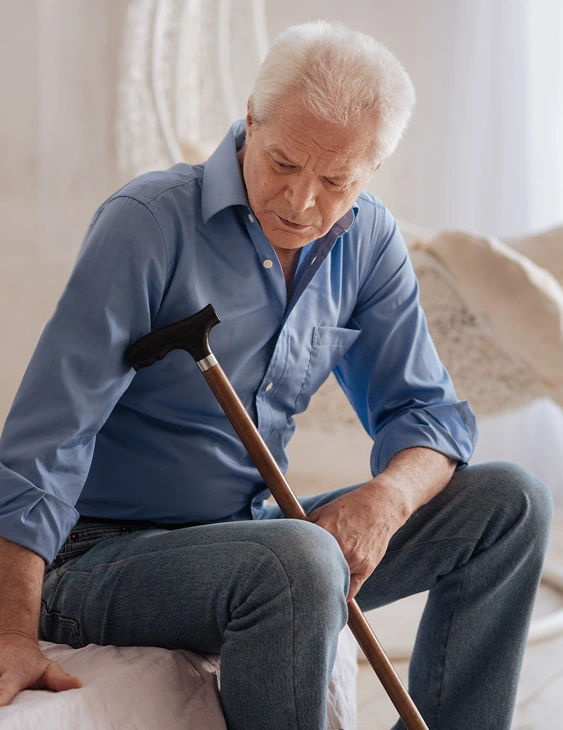
What is Sarcopenia?

Sarcopenia is age-related muscle loss that affects skeletal muscle throughout the body. It involves a gradual decline in muscle strength, muscle mass, and physical function over time. While it is most commonly associated with aging, changes in muscle strength and muscle mass can begin earlier than many people expect.

This process affects more than the muscles in the arms and legs. The pelvic floor is also made of skeletal muscle, and age-related muscle changes may contribute to reduced pelvic support and changes in bladder or bowel control in some individuals. Declining muscle strength throughout the body can also affect posture, balance, and overall stability.

As muscle fibers shrink and muscle size decreases, everyday movements may begin to feel more difficult, less stable, or less controlled.

Sarcopenia symptoms can include:
  • Loss of muscle strength when lifting objects or climbing stairs
  • Reduced endurance during physical activity
  • Balance changes or increased risk of falls
  • Slower walking speed or decreased physical performance
  • Changes in body composition, including reduced lean muscle mass and increased fat mass
  • Slower recovery after illness, injury, or periods of inactivity
  • In some individuals, reduced pelvic support or bladder leakage

At Beyond Basics, our pelvic floor physical therapists address age-related muscle changes through targeted, progressive care. Treatment focuses on rebuilding strength, improving coordination, and restoring functional movement patterns so patients can maintain independence, stability, and confidence in daily life.

What is Sarcopenia
What Causes Sarcopenia

What Causes Sarcopenia?

Sarcopenia develops from a combination of age-related muscle changes, hormonal shifts, reduced physical activity, and metabolic factors. As the body ages, skeletal muscle becomes less responsive to the signals that stimulate muscle growth and repair. Researchers refer to this process as anabolic resistance, meaning the body requires greater stimulation through resistance exercise and adequate nutrition to maintain muscle mass.

Muscle loss can accelerate during periods of illness, injury, prolonged inactivity, or recovery from surgery. These changes often develop gradually, which means declining muscle strength may not be noticeable until everyday activities begin to feel more physically demanding. Without intervention, sarcopenia can continue to progress, affecting strength, mobility, balance, and overall physical function.

Contributing factors can include:

  • Reduced participation in resistance or strength training
  • Lower overall physical activity levels
  • Postmenopausal hormonal shifts that affect muscle metabolism
  • Chronic inflammation or metabolic conditions
  • Inadequate protein intake or nutritional imbalances

Without intervention, muscle loss progresses and impacts both whole body strength and pelvic floor support.

Get help with pelvic floor physical therapy.

What Does the Pelvic Floor Have To Do with Muscle Loss?

The pelvic floor is part of the body’s deep core system, working together with the diaphragm, abdominal muscles, and hips to support posture, movement, and pressure regulation within the abdomen.

Like other skeletal muscles, the pelvic floor can be affected by age-related muscle changes and declines in muscle strength. When overall muscle strength and coordination decrease, the pelvic floor may become less effective at supporting the bladder, bowel, and pelvic organs.

Changes in pelvic floor muscle function may contribute to symptoms such as:

  • Urinary leakage with coughing, sneezing, or lifting
  • Pelvic pressure or a feeling of pelvic organ descent
  • Changes in sexual function or discomfort during intimacy
  • Difficulty maintaining balance or core stability
  • Changes in bowel control

Effective treatment for sarcopenia often needs to consider the entire muscular system, including the pelvic floor. Improving muscle coordination, strength, and endurance in this region can support bladder control, pelvic stability, and overall physical function.

Muscle Loss
Pelvic Floor Function

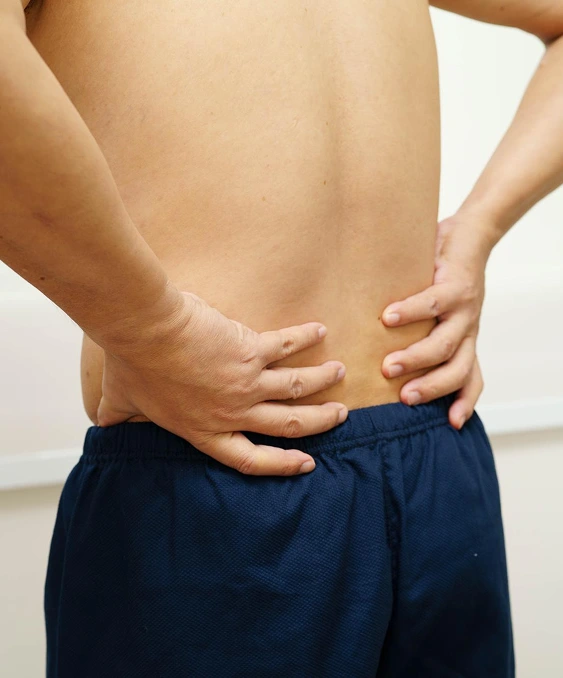
Why Muscle Loss Can Affect Pelvic Floor Function

Pelvic floor dysfunction related to muscle loss often develops gradually. As overall skeletal muscle strength declines, the pelvic floor may lose strength, endurance, and coordination, particularly when combined with reduced physical activity.

Several factors can contribute to these changes:
  • Age-related muscle loss affecting overall skeletal muscle strength
  • Reduced participation in resistance or strength training
  • Hormonal shifts that influence muscle and connective tissue
  • Periods of illness, surgery, or prolonged inactivity
  • Reduced core and hip stability that increases strain on the pelvic floor
  • Changes in body composition that alter pressure and load through the pelvis
At Beyond Basics Physical Therapy, our pelvic floor physical therapists evaluate how muscle loss, movement patterns, and core stability interact. Treatment focuses on restoring strength, improving neuromuscular coordination, and helping patients return to confident, functional movement.

Benefits of Working with a Pelvic Floor Physical Therapist for Sarcopenia

Sarcopenia is not simply about muscle loss. It also affects strength, coordination, balance, and overall movement quality. Addressing these changes requires more than general exercise. Pelvic floor physical therapists are trained to evaluate how muscles throughout the body work together, including the hips, core, and pelvic floor.

At Beyond Basics Physical Therapy, we focus on measurable progress while respecting your starting point. Treatment plans are individualized and designed to help you rebuild strength, restore movement, and maintain independence as your body changes.
Pelvic Floor Physical Therapist

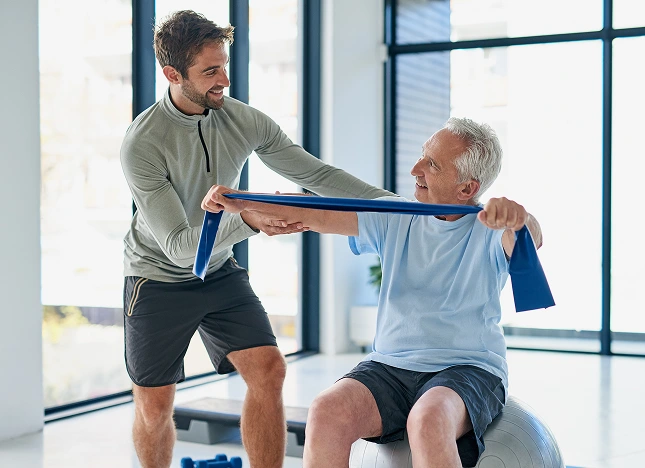
Working with a pelvic floor physical therapist can help you:

Improve muscle strength safely and progressively

Structured strength training helps stimulate muscle activation while reducing the risk of injury or overloading weakened tissues.

Support healthy muscle development through guided resistance training

Targeted resistance exercises challenge muscles in a controlled way, helping the body maintain and rebuild strength over time.

Restore coordination between the hips, core, and pelvic floor

These muscle groups work together to stabilize the body during movement. Improving coordination helps support posture, lifting mechanics, and everyday activities.

Help slow or prevent further muscle loss

Regular, progressive movement can counteract the effects of inactivity and support long-term muscle health.

Improve balance and reduce fall risk

Sarcopenia often affects stability. Training the core, hips, and pelvic floor together helps improve balance and body awareness.

Support bladder, bowel, and pelvic organ function

Strengthening and coordinating the pelvic floor can improve support for the bladder and bowel while contributing to overall core stability.

Build endurance and confidence in daily movement

Therapy focuses on helping patients return to walking, lifting, exercise, and other activities safely.

Address muscle changes before they begin to limit independence

Early intervention can make a meaningful difference in maintaining mobility, function, and quality of life.

What To Expect

During Your Initial Appointment

At your first visit, your therapist will assess your movement patterns, posture, breathing mechanics, and overall strength. We look at how sarcopenia is affecting your daily life and where muscle loss shows up functionally.

Your evaluation may include strength testing, balance assessment, and pelvic floor muscle testing if appropriate. We will discuss your goals, activity level, and any history of injury or inactivity that contributed to changes in muscle mass.

You will leave with a clear plan that includes structured exercises designed to increase muscle mass and rebuild strength gradually.

During Your Additional Appointments

Sessions last about an hour and focus on progressive resistance training, functional strength work, and neuromuscular retraining.

Your therapist adjusts intensity based on your response. As muscle strength improves, we advance loading to continue building skeletal muscle capacity and preventing further muscle loss. Progress happens steadily. The goal is long-term durability, not short bursts of effort.

Physical Therapist for Sarcopenia (1)

Client Testimonials

Amber Wolfe
2 weeks ago
Juhi is warm, thoughtful, and knowledgeable. She made me feel comfortable from the beginning and tailored each session to what I needed. I’m very grateful for her care and highly recommend Beyond Basics.
Lourdes Calero
2 weeks ago
My health issue has improved tremendously in a short time, thanks to my amazing therapist,Kiko!
Marina Alton
4 weeks ago
It was a very amazing experience with my therapist, and it helps me a lot
Devin Williams
1 month ago
After a life changing surgery back in 2013, I dealt with chronic pelvic and lower back pain that had impacted and hindered me for years. At one point, I lost all hope that I would ever be able to be rid of it. Then, I had the fortune of coming across Beyond Basics and meeting a wonderful physical therapist in the form of Kiko. After nearly 13 yrs of dealing with this pain, I am happy to say that it is completely gone after my treatment with Kiko. Because of her and Beyond Basics, I am now able to enjoy life so much more and for that, I am eternally gratefully. Coming here was truly a life changing experience.
Audrey Symes
2 months ago
Melanie has been wonderful! Compassionate, kind, a great listener, and I have made so much progress in a few sessions
Tom Powell
2 months ago
I never thought that pelvic floor therapy would be so effective or a worthwhile experience...and then I was lucky enough to find Cory Hazama. She is truly skilled and knowledgable.
Louise Decatrel
6 months ago
I am very happy with this choice for my therapy. My Therapist, Molly, is so fantastic. I feel very much at ease and comfortable with her.
Carol J. Weiss
7 months ago
Melanie is amazing. So knowledgeable, comforting, and enthusiastic.
Barry Gurvitch
7 months ago
Beyond Basics provides sensitive and professional care in a comfortable environment. I was skeptical at first if they could help but now, I am a believer.
Barbara Friedman
8 months ago
A wonderful introduction to pelvic floor therapy. Eliza's engaged, intelligent approach made me feel surprisingly hopeful. She's clearly a great person to work with.
Marian
9 months ago
Courteous and helpful staff. Excellent facilities. My PT is the best I found after months of searching around Manhattan.
Nell De Martini
9 months ago
I had a great experience working with Emily Moore for pre-op PT. She created an incredibly warm and inclusive environment and helped me feel comfortable from the start. In just a few sessions, she really helped me have a better understanding of my symptoms and how to best manage them. She gave me helpful tips to integrate into my daily routine and I noticed results almost immediately. I am looking forward to resuming sessions with her again after surgical recovery. The front desk and administrative staff were wonderful as well. I highly recommend working with Emily!
Elena Golub
11 months ago
Absolutely adored working with Melanie Rocchio. She's truly an expert at her craft and immediately puts you at ease. It's hard to make PFPT a comfortable process but she did. If you need PFPT, go see Melanie--I'll definitely be a returning client if I need further treatment.
Kat M.
11 months ago
I recently saw Kiko for regular PT sessions following a c-section delivery and HIGHLY recommend her, she's the best!! We worked on regaining both pelvic floor and core strength, and while I'm happy both have improved significantly in the months since my delivery, I was sad to have 'graduated' PT as I really enjoyed my sessions with Kiko - she's a pleasure to work with and learn from! I also had a good experience with Beyond Basics as a practice - Veronica at the front desk is very sweet!
Savannah Carlin
11 months ago
I cannot recommend Sonali highly enough, she’s truly incredible!
Sudais Haider
11 months ago
Nice
Lily Zoraster
11 months ago
Had a great experience here, front desk person Veronica is very nice and helpful. It was a delight to have Kiko as my therapist. She is very knowledgeable, easy to talk to/work with, and very thorough. She helped me find the perfect exercises that were very doable to help me progress and I progressed so fast in ways that I couldn’t imagine before. Thank you so much 😊
Mike Honcharik
12 months ago
Went to Beyond Basics for treatment of abdominal pain ,as recommended by my doctor . Kiko treated me , she was very professional and a listened to all my concerns ,and made me feel much better as to my condition . She was very knowledgeable and very helpfull . I highly recommend her.
Garland Horwitz
12 months ago
Emily Moore was fantastic! Great bedside manner and helpful. The whole team was very friendly
Samatha Nemana
1 year ago
So appreciative of the staff at Beyond Basics, especially Emily Moore! Emily was immensely helpful as I navigate my endometriosis journey. During our sessions I feel like I got some real answers around my pain - I so, so appreciate her. Our visits and the exercises she recommended have resulted in noticeable improvement over just a few short months. Highly recommend!
Michele Caplan
1 year ago
I have worked with Beyond Basics for over 15 years. I have an underlying chronic problem that I will have to manage for the rest of my life. With their multitude of skills, Beyond Basics has given me the therapy and strategies to go from acute pelvic pain, severe back, and postural problems to being able to manage my underlying problems with resilience and support. And, with their help and guidance I have avoided back surgery. The therapy and commitment at BB are on an entirely different level from therapy available any other Physical Therapy clinic I have ever encountered. It is entirely unique.
Allie Hemmings
1 year ago
Staff is friendly and efficient. Kiko is so easy to talk to, super informative, genuinely caring & kind, very knowledgeable about the pelvic floor as well as how other areas of the body work with it, and she also gave a great referral when my condition seemed to need treatment outside of her scope of practice. I highly recommend Kiko!
Ava Anderson
1 year ago
My son has autism and struggles with motor coordination. His physiotherapy sessions are tailored to his needs, full of playful yet purposeful activities. He looks forward to every visit and we’ve noticed significant improvements in his balance, posture, and ability to focus during tasks.
Ronlee Ben-Gal
1 year ago
Sonali Patel at Beyond Basis is an incredibly smart, kind, and effective pelvic floor PT. She was great during our sessions and also gave me the tools to continue healing on my own, without ever pushing unnecessary visits. I’d absolutely recommend her and will definitely come back to her if anything ever comes up again.
Kiko is exactly what you want in a PT… Attentive and clearly loves what she does, all with a sense of humor. You’ll be lucky if you get her..
Image of Pelvic region

Beyond Basics: We Can Help

At Beyond Basics, we are committed to treating pelvic floor issues with sensitivity to each individual’s needs, regardless of sex, race, identity, age, or orientation – we treat the whole person with a comprehensive, caring biopsychosocial approach. Since 2003, Beyond Basics has been a place of hope and healing for our patients. We believe skilled and compassionate healing can restore your body’s harmony and balance. Founder, Amy Stein, and co-founder, Corey Hazama are renowned experts and leaders in pelvic floor PT. The skilled physical therapists at Beyond Basics receive extensive training to qualify them to be the world’s leaders in pelvic floor rehabilitation. All of our therapists have been carefully selected to work at Beyond Basics because they possess the right expertise, kindness, and empathy to allow them to excel at our practice. Our therapists have completed hundreds of additional hours outside of their doctorates both internally and externally through institutes such as Herman and Wallace and the American Physical Therapy Association, to help hone their practice and provide exceptional treatment efficiently and compassionately. In addition to being the world’s first and foremost experts in pelvic floor dysfunction, our individual therapists have cultivated additional skills unique to their own personal interests. Read more about each one of our therapists here.

Get help now from a pelvic floor therapist.

Frequently Asked Questions

— Beyond Basics PT | Pelvic Floor Therapy NYC.

Is sarcopenia only a concern for older adults?
While sarcopenia is more common in older adults, age-related muscle loss can begin earlier, especially after periods of inactivity, illness, injury, or hormonal change. Early intervention can help preserve muscle mass and support long-term strength, mobility, and independence.
How does pelvic floor therapy differ from general sarcopenia treatment?
General sarcopenia treatment often focuses on improving overall muscle strength through resistance training and increased physical activity. Pelvic floor physical therapy adds targeted work for deep core support, coordination, and bladder and bowel control. This approach helps strengthen the pelvic floor while also improving how the hips, abdomen, and diaphragm work together during movement.
Can resistance training really reverse muscle loss and improve muscle strength?
Yes. Progressive resistance training is one of the most effective ways to address sarcopenia. Strength training stimulates muscle fibers and encourages the body to rebuild and maintain muscle tissue. With consistent training, many people can increase muscle strength, improve physical function, and slow or prevent further muscle loss.
What is the difference between muscle atrophy and low muscle mass?
Muscle atrophy refers to the shrinking of muscle fibers, often due to disuse, injury, illness, or prolonged inactivity. Low muscle mass describes a reduction in the overall amount of skeletal muscle in the body. Both can contribute to weakness, reduced stability, and decreased physical function, but both can improve with structured strengthening and progressive exercise.
How does muscle loss affect balance and daily activities?
When skeletal muscle strength declines, everyday activities can become more physically demanding. Climbing stairs, lifting groceries, getting up from a chair, or standing for long periods may feel harder. Rebuilding muscle strength can improve coordination, support joint stability, and reduce fall risk.
Does body composition change with sarcopenia?
Yes. As muscle mass decreases, body fat may increase, which can shift overall body composition. Strength training and consistent physical activity can help maintain muscle mass and support healthier body composition over time.
Does strength training help support pelvic floor health?
Yes, and it often makes a meaningful difference. Strength training helps rebuild muscle strength throughout the body, including the deep core system that supports the pelvic floor. When exercise incorporates breath, posture, and coordination, the pelvic floor muscles learn to work effectively with the hips and abdominal muscles. This coordination supports stability, bladder control, and overall physical function.
Can I prevent sarcopenia if I am already losing muscle?
Yes. Even if muscle loss has already begun, the body can still respond to progressive resistance training and consistent physical activity. With appropriate loading and recovery, many people can improve muscle strength, support lean muscle mass, and slow further decline. As strength improves, physical performance in everyday activities such as climbing stairs, lifting objects, and maintaining balance often improves as well. Starting early and progressing gradually can make a meaningful difference in long-term strength and resilience.

Still have questions? Reach out.