
ShockWave Therapy for Endometriosis

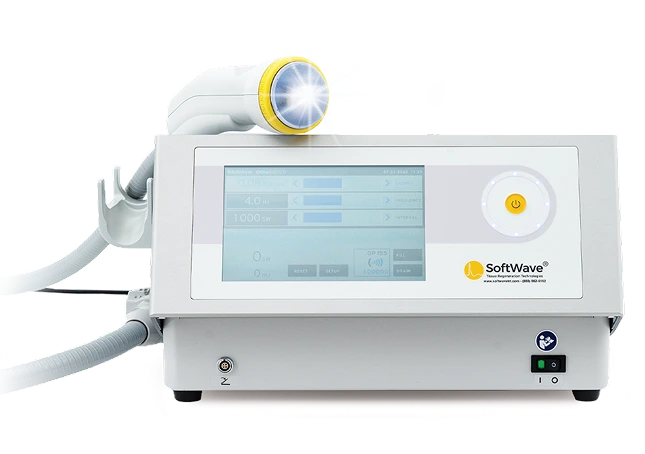
Shockwave Therapy is a non-invasive treatment designed to support the body’s natural healing processes. Using low-intensity acoustic waves, this therapy helps stimulate circulation, reduce tissue sensitivity, and promote recovery in muscles and connective tissue throughout the pelvic region.
For many people living with endometriosis, pain is not only caused by endometrial lesions. Pelvic floor muscle tension, scar tissue, abdominal wall restriction, and nerve sensitivity can also contribute to ongoing discomfort. Shockwave Therapy can help address these underlying contributors to pelvic pain by supporting tissue healing and improving blood flow in the surrounding structures.
At Beyond Basics Physical Therapy, Shockwave Therapy is used as part of a personalized treatment plan alongside pelvic floor physical therapy to help patients restore comfort, improve movement, and return to the activities they love.
Living with endometriosis pain can take a toll on daily life, but you don’t have to navigate it alone.
What is ShockWave Therapy for Endometriosis?
Endometriosis can affect many areas of the body and often contributes to persistent pelvic pain, muscle guarding, and sensitivity in the surrounding tissues. ShockWave Therapy uses low-intensity acoustic waves that travel into affected tissues, encouraging circulation and supporting the body’s natural healing response.
These gentle waves help improve blood flow, reduce tissue sensitivity, and release overly tight or protective muscle patterns in the pelvic floor. As circulation improves and muscle tension decreases, many people experience reduced pain, improved mobility, and greater comfort during everyday activities and intimacy.
At Beyond Basics Physical Therapy, ShockWave Therapy is used alongside pelvic floor physical therapy to address the layered effects of endometriosis-related pelvic pain through a safe, whole-body approach.
Key Benefits of ShockWave Therapy for Endometriosis-Related Pelvic Pain
- Improves circulation to pelvic tissues
- Releases trigger points and muscle tension in the pelvic floor
- Reduces nerve sensitivity associated with chronic pelvic pain
- Supports tissue mobility and pelvic movement
- Non-invasive, drug-free, and requires no recovery time
What To Expect During Your ShockWave Therapy Session
If you’re new to ShockWave Therapy for endometriosis-related pelvic pain, here’s what you can expect when working with our team at Beyond Basics Physical Therapy.
1. Initial Consultation
Your physical therapist will review your medical history, discuss your symptoms, and determine whether ShockWave Therapy is an appropriate part of your personalized care plan.
2. Treatment Application
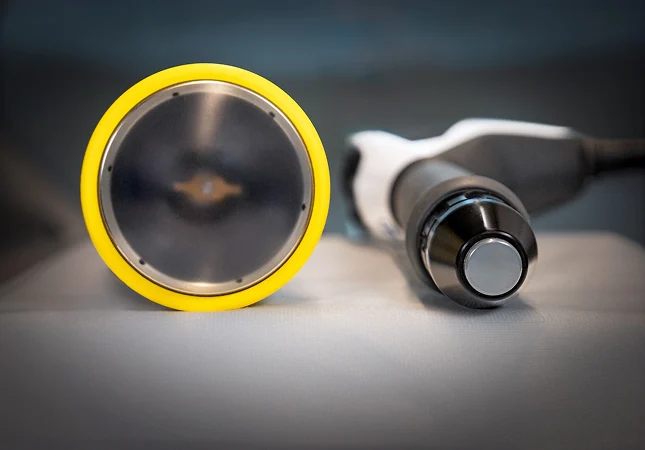
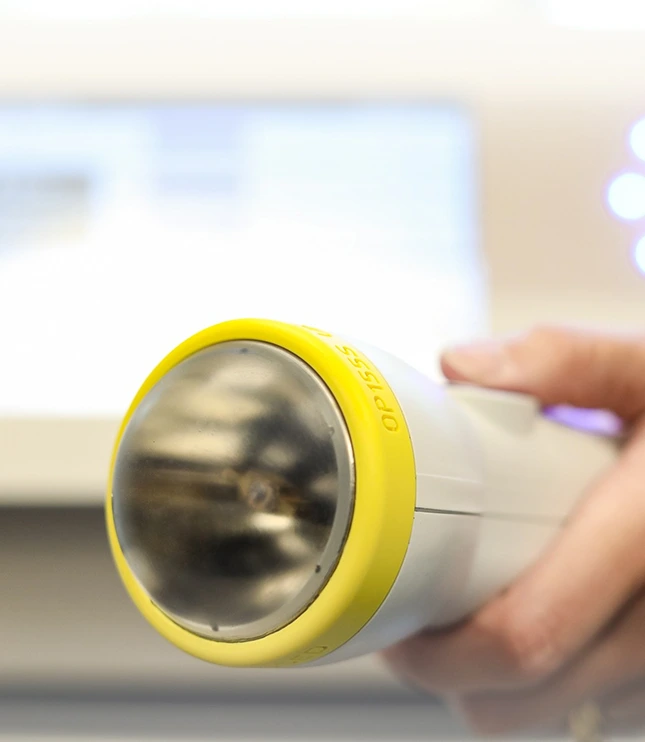
We use a handheld device to deliver gentle acoustic waves to areas of pain or tension in the pelvic region. These sound waves encourage circulation, help reduce muscle guarding, and support the body’s natural healing response in surrounding tissues.
3. Mild Sensations
During treatment, you may feel pulsing, tingling, or light tapping sensations. These are typically well tolerated and can help identify areas of tissue sensitivity or restriction.
4. Gradual Relief
Some patients notice improvements after the first few sessions, while others experience more gradual changes over time. ShockWave Therapy is often delivered as a series of treatments, with results building as tissues respond to therapy.
5. Integrated Treatment Plan
ShockWave Therapy is most effective when combined with pelvic floor physical therapy. Your therapist will incorporate personalized techniques to address muscle tension, mobility restrictions, and nervous system sensitivity that contribute to endometriosis-related pelvic pain.
Are You a Candidate for ShockWave Therapy for Endometriosis-Related Pelvic Pain?
Every person’s experience with endometriosis is different. Our team will evaluate your symptoms, medical history, and pelvic floor function to determine whether ShockWave Therapy may be beneficial for your specific situation.
You might be a candidate if:
- You experience chronic pelvic pain related to endometriosis
- You have muscle tightness or nerve sensitivity in the pelvic floor
- You are looking for a non-invasive, medication-free treatment option
- You want to avoid or reduce reliance on pain medications
- You have tried other therapies with limited success
-
You are interested in a gentle, body-based approach to long-term pain management
A personalized consultation at Beyond Basics Physical Therapy can help determine whether ShockWave Therapy is an appropriate addition to your treatment plan.


Why Combine ShockWave Therapy with Physical Therapy?
ShockWave Therapy helps improve circulation and reduce tissue sensitivity in areas affected by pelvic pain. This can make tissues more responsive to treatment and prepare the body for deeper therapeutic work.
When paired with expert pelvic floor physical therapy, the benefits extend even further. Physical therapy addresses muscle coordination, mobility, breathing patterns, and nervous system regulation that contribute to endometriosis-related pelvic pain.
Together, this integrated approach helps reduce pain, improve function, and support longer-lasting relief.
Advantages of Combining ShockWave Therapy with Physical Therapy for Endometriosis-Related Pelvic Pain
- Improved Circulation and Tissue Mobility
ShockWave Therapy helps improve circulation and reduce sensitivity in pelvic tissues, creating a more supportive environment for recovery. - Pelvic Floor Muscle Release
Physical therapy focuses on releasing tension, improving coordination, and restoring healthy muscle function in the pelvic floor. - More Lasting Relief
ShockWave Therapy helps reduce tissue sensitivity, while physical therapy reinforces these changes by addressing movement patterns, posture, and muscular imbalances. - Whole-Body, Non-Hormonal Approach
This combination avoids medications or invasive procedures while supporting the body’s natural healing processes. - Greater Comfort and Function
Addressing both tissue sensitivity and muscle coordination helps many people move through daily life with less discomfort and greater ease.
Client Testimonials
Conditions We Treat with ShockWave Therapy
Our team at Beyond Basics Physical Therapy uses ShockWave Therapy alongside pelvic floor physical therapy to treat a wide range of pelvic, sexual, and musculoskeletal conditions, including but not limited to:
1. Erectile Dysfunction (ED)
Improves blood flow, supports tissue regeneration, and enhances natural sexual performance.
2. Peyronie’s Disease
3. Vulvodynia & Vaginismus
4. Decreased Arousal or Sensitivity
5. Anorgasmia (Difficulty Achieving Orgasm)
6. Pelvic Floor Hypertonicity
7. Reduced Lubrication or Blood Flow
8. Delayed Ejaculation or Orgasmic Dysfunction
9. Post-Surgical Sexual Dysfunction
10. Post-Prostatectomy Recovery
11. Post-Hysterectomy Healing
12. Postpartum Recovery
13. Pelvic Floor Dysfunction
14. Chronic Pelvic Pain Syndrome (CPPS)
15. Endometriosis
16. Interstitial Cystitis (Bladder Pain Syndrome)
Reduces inflammation and discomfort in the bladder and surrounding tissues.
17. Pudendal Neuralgia or Nerve Entrapment
18. Pelvic Organ Prolapse (Mild to Moderate)
19. Urinary Incontinence
20. Perineal Pain & Scar Healing
Get Relief Today
Discover the Benefits of Shockwave Therapy
ShockWave Therapy For Endometriosis
— Beyond Basics PT | Pelvic Floor Therapy NYC.
Frequently Asked Questions
How does ShockWave Therapy help with endometriosis-related pelvic pain?
ShockWave Therapy does not treat or remove endometriosis lesions. However, it can help address some of the musculoskeletal and nerve-related contributors to pelvic pain, such as pelvic floor muscle tension, tissue sensitivity, and restricted circulation in surrounding tissues.
Will the treatment be painful?
How many sessions will I need?
The number of sessions varies depending on your symptoms and how your body responds to treatment. Many people benefit from a series of 4 to 8 sessions, often scheduled weekly and combined with pelvic floor physical therapy. Your therapist will create a treatment plan tailored to your needs.
Can ShockWave Therapy help with painful sex?
Will I need to take time off after a session?
Is this treatment safe if I’ve had surgery for endometriosis?

Your Complete Guide to Navigating Perimenopause
What is perimenopause, and when does it start? If you are between the ages of 35 and 45 and...
GLP-1 Medications and Pelvic Floor Health: What to Keep in Mind
GLP-1 medications are a class of prescription medications used to support blood sugar regulation,...

Shockwave Therapy
Living with chronic pain or an injury can be frustrating, especially when traditional treatments...