


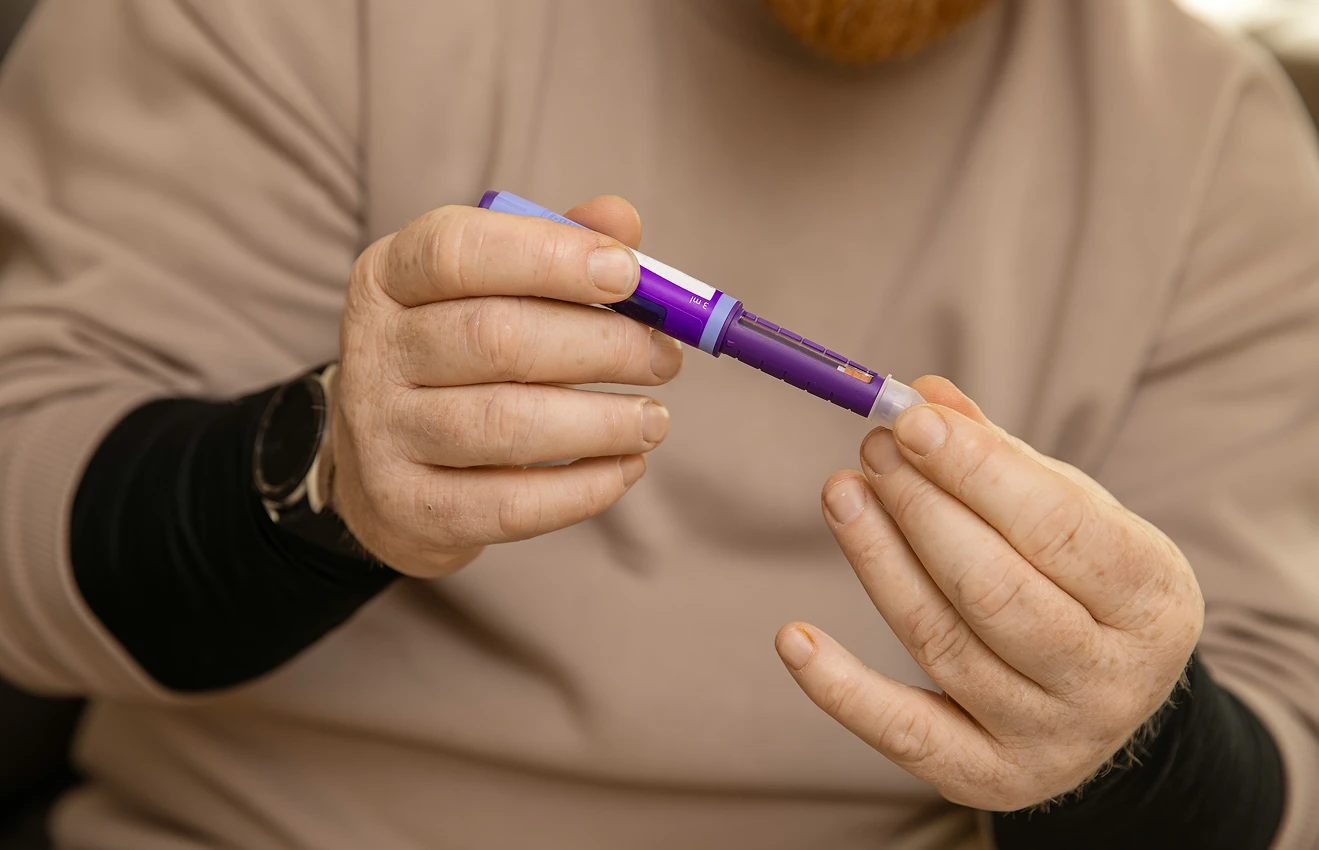
GLP-1 medications are a class of prescription medications used to support blood sugar regulation, appetite control, and weight management. Common examples include medications such as semaglutide (found in treatments like Ozempic®, Wegovy®, and Rybelsus®), liraglutide (Victoza®, Saxenda®), dulaglutide (Trulicity®), exenatide (Byetta®, Bydureon®), and lixisenatide (Adlyxin®). You may also hear about newer medications like tirzepatide (Mounjaro®, Zepbound®), which work on both GLP-1 and GIP receptors and are often discussed alongside GLP-1 medications due to their similar effects.
These medications work by mimicking a naturally occurring hormone in the body called glucagon-like peptide-1 (GLP-1), which helps regulate blood sugar levels, slows gastric emptying, and increases feelings of fullness. For many people, GLP-1 medications can be a helpful tool and may lead to meaningful improvements in metabolic health and weight management. They are often most effective when combined with lifestyle changes such as balanced nutrition and regular physical activity.
At Beyond Basics Physical Therapy, our goal is to provide pelvic floor considerations for individuals using GLP-1 medications, not to discourage their use. These medications can influence digestion and appetite and may contribute to changes in hydration and lean muscle mass during weight loss. Understanding these shifts is important for supporting pelvic floor function.
Slower digestion may contribute to constipation, which can increase straining and place added pressure on the pelvic floor. Changes in appetite or fluid intake may affect hydration and stool consistency. Rapid weight loss may also be associated with loss of lean muscle mass, which can influence overall core and pelvic floor support.
Taking a whole-body health perspective is essential. Supporting bowel habits, maintaining adequate hydration and nutrition, and preserving muscle strength can help ensure that the benefits of GLP-1 therapy are maximized while minimizing potential pelvic floor challenges.
How GLP-1 Medications Affect the Digestive System
GLP-1 medications slow gastric emptying and can influence intestinal transit. While this effect can improve satiety and support weight management, it may also lead to digestive side effects. Common experiences include constipation, diarrhea, bloating, and changes in bowel urgency.
These shifts in digestion can have a direct impact on pelvic floor function. Constipation may lead to increased straining, which places added pressure on the pelvic floor muscles. Over time, repeated straining can contribute to muscle tension, pelvic pain, or symptoms such as prolapse or leakage. On the other end of the spectrum, diarrhea or increased urgency can make it more difficult to coordinate and control pelvic floor muscle function.
As these patterns continue, they can influence how the pelvic floor supports the bladder, bowel, and surrounding structures. Maintaining awareness of these digestive changes is an important first step. By addressing bowel habits proactively, you can reduce unnecessary strain and better support pelvic floor function while using GLP-1 medications.

Constipation and Straining: Protecting Pelvic Support
Repeated or prolonged straining during bowel movements increases intra-abdominal pressure, which can place significant stress on pelvic floor tissues. Over time, this added pressure may contribute to symptoms such as pelvic discomfort, hemorrhoids, or worsening of pelvic organ prolapse.
Early bowel management is essential. Supporting regular, well-formed bowel movements can help reduce unnecessary strain and protect the muscles and connective tissue that support the pelvic organs.
Gentle prevention strategies include:
- Hydration: Drink sufficient water throughout the day to help soften stool and promote regular bowel movements.
- Fiber: Include a variety of fiber-rich foods such as fruits, vegetables, and whole grains. Gradually increasing fiber intake can help improve stool consistency while minimizing bloating.
- Positioning: Using a small footstool to elevate the feet can help mimic a more natural squat position, allowing for easier and more efficient bowel movements with less strain.
- Breathing mechanics: Exhaling gently during bowel movements can help prevent breath-holding and reduce excessive intra-abdominal pressure.

Rapid Weight Loss and Pressure Changes
Rapid weight loss can change how pressure and support are managed throughout the abdomen, pelvis, and core. As body composition shifts, there may be changes in how load is distributed across muscles and connective tissue, which can influence pelvic floor function.
Some individuals may notice temporary sensations such as pelvic heaviness or increased prolapse symptoms during this period of adjustment.
This phase is often part of the body adapting to changes in weight, muscle mass, and overall support. In some cases, rapid weight loss may also be associated with a reduction in lean muscle mass, which can affect how effectively the core and pelvic floor work together.
Key considerations during this adaptation period include:
- Tissue adaptation takes time, and rapid changes may temporarily influence pelvic floor function
- Gradual strengthening of the core and pelvic floor muscles can help support more efficient pressure management
- Being mindful of lifting, bending, and straining can help reduce unnecessary stress on pelvic tissues
Supporting your pelvic floor during weight loss helps ensure that improvements in overall health are accompanied by stability, strength, and long-term pelvic support.

Muscle Mass, Strength, and Pelvic Floor Function
GLP-1 medications often reduce appetite, which can sometimes lead to reduced caloric intake and, in some cases, loss of skeletal muscle mass. The pelvic floor muscles are part of the broader core system, working in coordination with the diaphragm, abdominal muscles, and deep stabilizers. Maintaining overall muscle strength is essential for support, stability, and proper organ function.
Important strategies include:
- Resistance training: Helps preserve skeletal muscle mass, including the muscles that contribute to core and pelvic floor support.
- Protein intake: Supports muscle maintenance, recovery, and adaptation, particularly during periods of weight loss.
- Strength vs. coordination: Not all individuals benefit from traditional Kegel exercises. Functional stability, coordination, and the ability to manage pressure during daily activities are often more relevant for pelvic floor support.
Maintaining muscle mass and coordination helps support the pelvic floor, improve overall stability, and reduce the risk of strain during GLP-1 therapy.
Hydration, Bladder Function, and Urgency
Some individuals may experience reduced fluid intake while using GLP-1 medications, often related to decreased appetite, early fullness, or nausea. Inadequate hydration can lead to more concentrated urine, which may irritate the bladder lining and contribute to symptoms such as urinary urgency or frequency.
Lower fluid intake may also reduce regular bladder flushing, which can increase the risk of urinary tract infections (UTIs) in some individuals.
Supporting bladder health includes:
- Hydration: Drinking adequate fluids throughout the day to support healthy urine dilution and bladder function.
- Awareness: Monitoring urine color as a simple way to assess hydration status.
- Medical support: Consulting a healthcare provider if urinary patterns change, or if symptoms such as burning, urgency, or discomfort develop.
Maintaining proper hydration helps reduce bladder irritation, support urinary function, and promote overall pelvic floor health.
Hormonal and Life-Stage Considerations
Hormonal changes during life stages such as postpartum, perimenopause, and menopause can influence pelvic floor function. Changes in estrogen levels can affect connective tissue elasticity, tissue support, and overall pelvic floor function, which may increase the likelihood of symptoms such as prolapse, leakage, or pelvic discomfort.
These factors can become especially relevant during periods of physical change, including weight fluctuations or shifts in muscle mass that may occur while using GLP-1 medications.
Certain populations may be more likely to notice changes in symptoms:
- Postpartum individuals: Ongoing tissue healing and recovery may influence pelvic floor support and function.
- Individuals in perimenopause or menopause: Changes in tissue resilience and support may make pelvic floor stability more important during periods of physical change.
Awareness of these factors allows for more proactive strategies to support pelvic health and adapt to changes that may occur during GLP-1 use.

Eating Patterns and Bowel Rhythm
GLP-1 medications may reduce appetite, which can lead to skipped meals or decreased overall food intake. In some cases, this may also result in reduced fiber intake. Changes in eating patterns can affect the gastrocolic reflex, the body’s natural response that stimulates bowel movements after eating, making bowel habits less predictable.
Maintaining consistent eating patterns can help support more regular digestion and bowel function.
To help maintain bowel rhythm and protect pelvic floor health:
- Consistent meals: Eating regular meals and snacks helps stimulate the digestive system and support predictable bowel movements.
- Fiber intake: Including fiber-rich foods supports stool consistency and regularity.
- Hydration: Staying adequately hydrated helps prevent constipation and reduces strain on pelvic tissues.
Routine eating and hydration habits play an important role in supporting both digestive function and pelvic floor health.
When to Check In With a Pelvic Floor Physical Therapist
- New or worsening constipation
- Increased urinary leakage
- Fecal urgency or accidents
- Pelvic heaviness or pressure
- Pain with sexual activity
- Straining to urinate or defecate
The Bottom Line: A Whole-Body Approach
GLP-1 medications can be effective tools for weight management and metabolic health, but weight loss alone does not always lead to improvements in pelvic floor function. Supporting your pelvic floor while using these medications involves maintaining healthy bowel habits, staying adequately hydrated, and preserving muscle mass through proper nutrition and exercise.
Pelvic floor physical therapy can play both a preventive and proactive role, helping you maintain function, improve coordination, and reduce the risk of strain or discomfort. Taking a whole-body approach allows you to benefit from GLP-1 therapy while continuing to support long-term pelvic health, stability, and overall function.