

Perimenopause & Menopause Health Coaching in Jersey City, NJ
You are not alone in this transition.

Understanding Perimenopause and Menopause
Menopause officially begins once you’ve experienced 12 back‑to‑back months without a menstrual period, signaling a shift in your body’s hormonal balance. This phase happens naturally as the ovaries slow down their production of hormones, leading to a marked decline in overall hormone levels. However, even though it’s expected, the symptoms that come along with menopause can feel intense and disruptive to everyday well‑being.
At Beyond Basics, our team works to relieve those symptoms through specialized pelvic floor physical therapy, clear educational resources, and lifestyle guidance designed to support you through the process.
There are three stages commonly recognized in menopause, which are:
- Perimenopause: Most commonly seen between ages 35 and 45, this initial phase brings hormonal swings that disrupt the predictable cycle many have known for years. Symptoms during this period can include cycles that vary widely, bleeding that feels heavier or lighter, mood variability, hot flashes, poor sleep quality, noticeable changes in sexual function, and issues relating to bowel or bladder health.
- Menopause: This stage is officially identified when a full 12‑month stretch has passed with no menstrual activity at all, signifying the conclusion of reproductive capability.
- Postmenopause: The time beyond menopause, when symptoms often remain present but tend to diminish in strength and occurrence.

Symptoms of Perimenopause and Menopause
When asked to describe life during perimenopause and menopause, many respond with a heartfelt phrase: “I don’t feel like myself anymore.” From unexpected mood swings to restless nights or physical changes that don’t make sense, these feelings are real and deserve acknowledgment. Let’s go over them in detail and talk about ways to find relief and balance.
Each person’s path through this stage is different, and the challenges go far beyond hot flashes, weight shifts, night sweats, and disrupted sleep. For many, symptoms can stretch out over several years, varying from mild inconveniences to more intense experiences that affect daily living.
Common symptoms include:
- Vaginal or vulvar dryness
- Vaginal or vulvar burning
- Vulvar itching
- Sexual difficulty
- Pain during sex
- Increased urinary tract infections
- Pelvic floor muscle weakness
- Pelvic floor muscle overactivity
- Urinary incontinence and fecal incontinence
- Pelvic organ prolapse (when the bladder, uterus, small intestine, or rectum drops into the vaginal vault)
- Mood swings
- Tendon health concerns
- Osteoporosis
- Cardiac health concerns
- Musculoskeletal pain
The severity of what someone feels during this time can vary widely, shaped by their overall health, the way they live day to day, and many other contributing circumstances. The uplifting news is that with expert support—specifically through pelvic floor physical therapy paired with attentive health coaching—many of these symptoms can be managed effectively, reduced substantially, or even eliminated.
Get help now from a pelvic floor physical therapist for Perimenopause and Menopause.
Physical Therapy Treatments for Perimenopause, Menopause, and Postmenopause
Throughout menopause and into the postmenopausal years, it’s quite common to notice pelvic floor muscles that are either underactive and weak or overactive and tight, leading to symptoms that can be uncomfortable or disruptive. Any care plan we provide takes your specific experience into account, with tailored exercises and methods that may consist of:
- Pelvic floor muscle training to strengthen and restore function to the muscles
- Core exercises
- Strength training exercises
- Breathing exercises
- Postural correction
- Mobility work to improve range of motion
- Patient education on lifestyle modifications to decrease inflammation in the body
- Manual therapy techniques
- Changing toileting mechanics
- Use of pelvic floor tools (including vaginal weights, wands, and dilators)

Lifestyle Support Through Health Coaching
Alongside pelvic floor therapy, our coaching program focuses on other key factors that make a true difference in navigating perimenopause and menopause, which include:
- Developing nutrition and hydration approaches that foster hormonal balance and promote pelvic well‑being
- Creating customized exercise and movement plans that build strength and maintain bone health long ter
- Introducing sleep‑focused techniques that enhance restfulness and support recovery
- Offering effective stress management methods and mindfulness tools for day‑to‑day calm
- Coordinating with your wider healthcare team to ensure your care plan is aligned and seamless
- Providing referrals to specialists in perimenopause and menopause who can help you explore hormone therapy and other tailored interventions

Benefits of Physical Therapy and Health Coaching for Perimenopause and Menopause
By following our comprehensive program, you may experience:
- Improved functioning and control of the pelvic floor
- Diminished vaginal symptoms such as pain, dryness, and irritation
- Reduced urgency and frequency when it comes to bladder habits
- Positive changes in bowel movements and gastrointestinal health
- Increased sexual function along with enhanced comfort and confidence
- Strength gains in critical muscle groups that support your pelvis
- Ongoing maintenance of pelvic floor health over time
- Empowerment through education and techniques to prevent recurrence
- Fewer troubling symptoms like hot flashes, weight fluctuations, night sweats, and disrupted sleep
You don’t have to figure it out alone.
We’ll create a personalized plan that fits your needs and goals.
What To Expect
During Your Initial Physical Therapy Appointment
Patients visiting us from Jersey City can expect their first appointment at Beyond Basics to be a welcoming and informative experience. We’ll start by talking with you in depth about your medical background, your current symptoms, and anything else that helps us better understand your body’s unique story.
Following this initial conversation, we’ll carry out a physical exam that’s tailored to your needs. Depending on your symptoms, the evaluation may include a hands-on assessment of your pelvic floor, which could be external, internal, or both. The goal is to locate the root cause of your pain or dysfunction and begin working toward relief. You’ll also receive a personalized set of exercises to begin doing at home.
For all our Jersey City patients making the short journey to our clinic, please know we prioritize your autonomy. You’re encouraged to speak up and may decline any part of the treatment at any time—no questions asked.
During Your Additional Physical Therapy Appointments
Our approach prioritizes comprehensive and compassionate care designed to support your healing journey. Session length will vary depending on your needs and what your therapist believes will be most effective.
Many clients report feeling better—often much earlier than the eight-week mark.
Client Testimonials
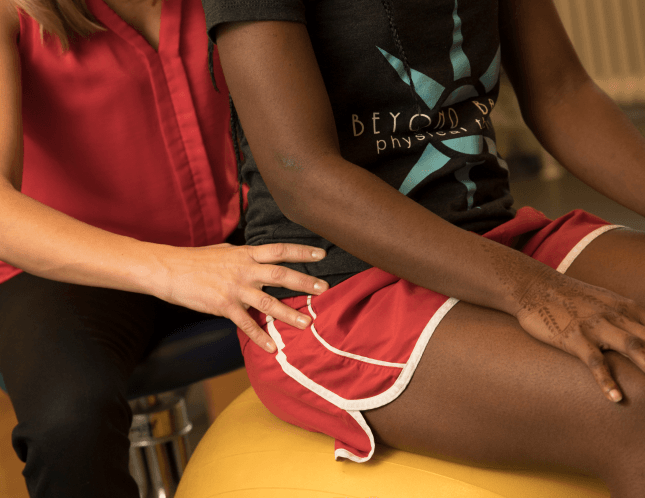
Beyond Basics: We Can Help
Get help now from a pelvic floor physical therapist for Perimenopause and Menopause.
Birth Positions: Exploring Your Options
Maybe you picture yourself lying on your back, legs in stirrups, while a team of people coaches you through each contraction. We’ve seen this image countless times in movies, on TV, and even in childbirth classes. But lying on your back is just one option. Depending on your circumstances, you may be able to move and change positions throughout labor and birth.

Your Complete Guide to Navigating Perimenopause
What is perimenopause, and when does it start? If you are between the ages of 35 and 45 and...
GLP-1 Medications and Pelvic Floor Health: What to Keep in Mind
GLP-1 medications are a class of prescription medications used to support blood sugar regulation,...