


Bloating can be more than just an uncomfortable feeling in your abdomen. It can interfere with daily life, making it harder to enjoy meals, stay active, or focus on everyday tasks. While bloating is often associated with digestion, it can also be influenced by how the muscles of the abdomen, diaphragm, and pelvic floor work together.
The pelvic floor plays an important role in bowel function and coordination, particularly in the movement and release of gas and stool through the lower digestive tract. When these muscles are tight, weak, or not coordinating properly, they may contribute to symptoms such as bloating, gas, constipation, and a sensation of pressure or fullness in the abdomen.
It’s important to understand the difference between bloating and abdominal distention. Bloating refers to the sensation of fullness or tightness, while distention is the visible increase in abdominal size. These can occur together or separately and may be influenced by gas accumulation, air swallowing, slowed gut motility, or impaired coordination between the abdominal wall, diaphragm, and pelvic floor.
At Beyond Basics, we offer pelvic floor physical therapy focusing on addressing contributing factors related to muscle coordination, tension, and bowel mechanics. Treatment may include hands-on techniques, targeted exercises, breathing strategies, and education to support more efficient bowel function and reduce discomfort.
What Causes Bloating?
Bloating can be caused by a variety of factors, including pelvic floor dysfunction, diet, core function, posture, stress, trauma, and many other contributing factors. Common culprits include overeating, consuming carbonated drinks, or eating foods that are difficult to digest. Conditions such as irritable bowel syndrome (IBS), food intolerances, and constipation can also lead to bloating.
When the pelvic floor muscles are too tight, weak, or not working together as they should, they can contribute to digestive issues, including bloating. This dysfunction can lead to improper support of the digestive system, making it difficult for the body to process food efficiently, resulting in gas and discomfort.
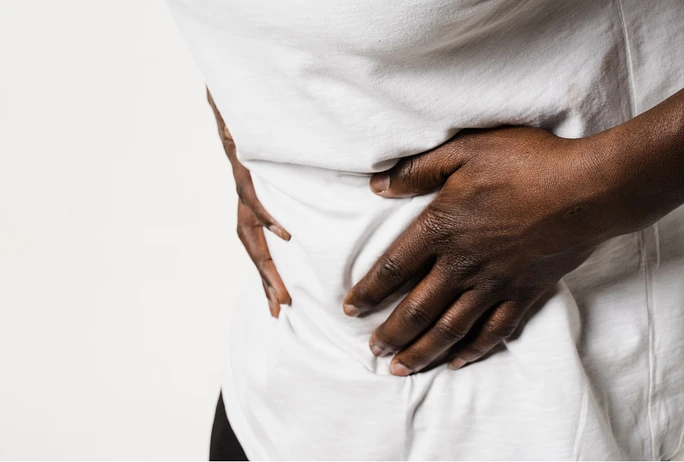

Symptoms of Pelvic Floor Dysfunction Related to Bloating
- Persistent bloating, especially after eating
- A feeling of fullness or pressure in the abdomen
- Difficulty with bowel movements, including constipation
- Abdominal pain or discomfort related to gas or impaired digestion
- Straining during bowel movements
- Diarrhea or irregular bowel movements
How Pelvic Floor Physical Therapy Helps with Bloating
At Beyond Basics, our pelvic floor physical therapy is tailored to address the specific needs that contribute to bloating. This specialized therapy can help you by:
- Reducing Abdominal Pain and Discomfort: By relaxing tight pelvic floor muscles, we can alleviate the pressure and discomfort that often accompany bloating.
- Improving Bowel Movements: Strengthening and coordinating your pelvic floor muscles can make bowel movements easier and more regular, reducing constipation and bloating.
- Enhancing Digestive Function: Proper pelvic floor function supports better digestion and reduces the build-up of gas and bloating.
- Promoting Relaxation and Comfort: Through relaxation techniques and pelvic floor muscle training, you can learn to manage the muscle tension that contributes to bloating.
What to Expect During Your Pelvic Floor Physical Therapy Sessions
During Your Initial Appointment
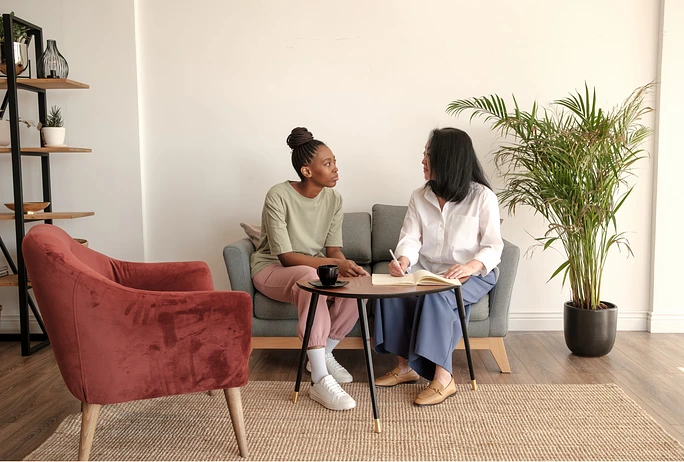
Your first visit will start with a detailed conversation about your symptoms and how they affect your daily life. We’ll perform a comprehensive assessment of your pelvic floor muscles to determine how they might be contributing to your bloating. This might involve a gentle physical examination to check for muscle tension, weakness, or other dysfunctions. Our goal during this session is to gather enough information to create a treatment plan that is customized to your specific needs.
We’ll walk you through each step of the evaluation, explaining what we’re doing and why it matters. Our approach is gentle and respectful, ensuring that you feel comfortable throughout the process.
During Your Additional Appointments
In the following sessions, we’ll guide you through a series of exercises and techniques designed to improve the function of your pelvic floor muscles. These sessions might include a mix of hands-on manual therapy, targeted exercises, and relaxation techniques to help you manage your bloating. We’ll adjust your treatment as needed, focusing on gradually reducing your symptoms and improving your digestive health.
Each session is a building block towards better control over your pelvic floor muscles and relief from bloating. We’re here to help you feel more comfortable and confident in managing your symptoms, with a focus on long-term wellness.
Client Testimonials
Beyond Basics: We Can Help
At Beyond Basics, we are committed to treating pelvic floor issues with sensitivity to each individual’s needs, regardless of sex, race, identity, age, or orientation – we treat the whole person with a comprehensive, caring biopsychosocial approach.
Since 2003, Beyond Basics has been a place of hope and healing for our patients. We believe skilled and compassionate healing can restore your body’s harmony and balance. Founder, Amy Stein, and co-founder, Corey Hazama are renowned experts and leaders in pelvic floor PT.
The skilled physical therapists at Beyond Basics receive extensive training to qualify them to be the world’s leaders in pelvic floor rehabilitation. All of our therapists have been carefully selected to work at Beyond Basics because they possess the right expertise, kindness, and empathy to allow them to excel at our practice. Our therapists have completed hundreds of additional hours outside of their doctorates both internally and externally through institutes such as Herman and Wallace and the American Physical Therapy Association, to help hone their practice and provide exceptional treatment efficiently and compassionately. In addition to being the world’s first and foremost experts in pelvic floor dysfunction, our individual therapists have cultivated additional skills unique to their own personal interests. Read more about each one of our therapists here.
Get help now from a pelvic floor therapist.
Bloating Services
— Beyond Basics PT | Pelvic Floor Therapy NYC.
Frequently Asked Questions
Can pelvic floor dysfunction cause bloating?
How can pelvic floor therapy provide IBS bloating relief?
How does pelvic floor therapy help with SIBO bloating relief?
Can pelvic floor therapy offer constipation bloating relief?
How can pelvic floor therapy support hormone imbalance bloating relief?
How can pelvic floor therapy provide functional bloating relief?
Pelvic floor therapy addresses muscle tension and coordination issues that can interfere with bowel function and gas evacuation. In people with functional digestive disorders where pelvic floor dysfunction is a contributing factor, this can help improve bowel mechanics and reduce bloating and abdominal pressure.