

ShockWave Therapy offers a non-invasive way to ease pelvic pain and discomfort without surgery, medications, or downtime. For people with Interstitial Cystitis (IC), bladder pain often connects to pelvic floor dysfunction, which can trigger symptoms like urgency, burning, and pressure. ShockWave Therapy gently supports healing by calming sensitive nerves, improving blood flow, and softening tight pelvic floor muscles.
At Beyond Basics, we incorporate this treatment into a broader pelvic floor physical therapy plan, giving our clients more tools to manage flares and feel relief in everyday life.
What is ShockWave Therapy for Interstitial Cystitis?
IC involves the bladder and the pelvic floor muscles, which can become tense, overactive, and hypersensitive. This muscle tension can contribute to urinary urgency, pelvic pain, and pressure that doesn’t go away even after urinating. ShockWave Therapy delivers gentle acoustic pulses to the pelvic area, helping to relax the muscles and calm nerve overactivity.
The treatment promotes circulation and tissue repair, which can reduce pain signals and help ease the persistent discomfort IC can bring.
At Beyond Basics, we combine ShockWave Therapy with hands-on physical therapy and education, focusing on the muscular and neurological patterns that may be driving your symptoms.
Key Benefits of ShockWave Therapy for IC
- Improves blood flow to the bladder and pelvic floor
- Releases tension in overactive pelvic floor muscles
- Reduces nerve hypersensitivity linked to bladder pain
- Helps ease feelings of urgency, pressure, and burning
- Non-invasive, gentle, and part of a whole-body care plan
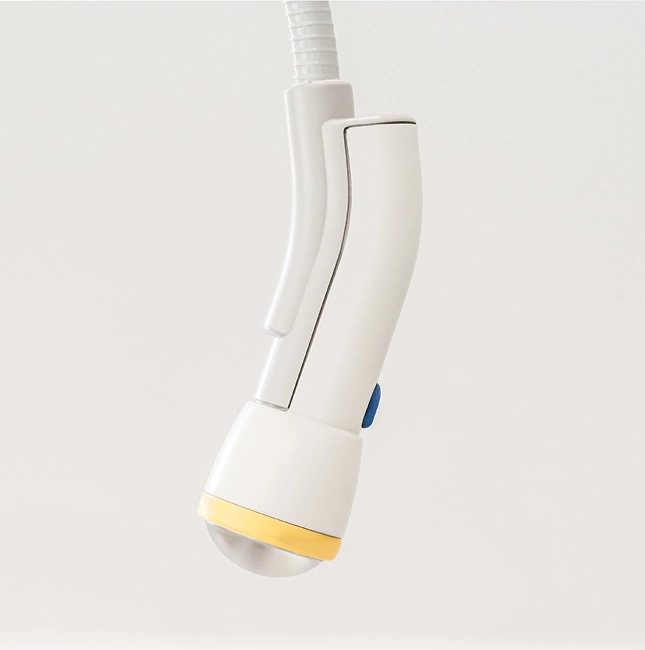
What To Expect During Your ShockWave Therapy Session
If you’re new to ShockWave Therapy for IC-related pelvic symptoms, here’s what you can expect with our team at Beyond Basics:
1. Initial Consultation
2. Treatment Application
3. Mild Sensations
4. Steady Improvement
5. Personalized, Whole-Body Plan
We integrate ShockWave Therapy with physical therapy techniques that support pelvic muscle coordination, ease urinary urgency, and help you manage daily triggers in a way that feels sustainable.
This gentle, non-invasive approach gives you another path toward relief, especially when bladder symptoms stem from muscle and nerve patterns, not just the bladder itself.
Are You a Candidate For ShockWave Therapy for Interstitial Cystitis?
You might be a candidate if:
- You feel ongoing bladder or pelvic pain not explained by infection
- You have pelvic floor dysfunction linked to IC symptoms
- You’re looking for a non-invasive, drug-free way to ease discomfort
- You want to reduce urinary urgency, pressure, or burning sensations
- You’ve tried other approaches without consistent relief
- You’re open to a gentle, body-focused therapy that targets muscle and nerve patterns
A personalized consultation with our team at Beyond Basics can help you explore whether ShockWave Therapy belongs in your care plan.

Why Combine ShockWave Therapy with Physical Therapy?
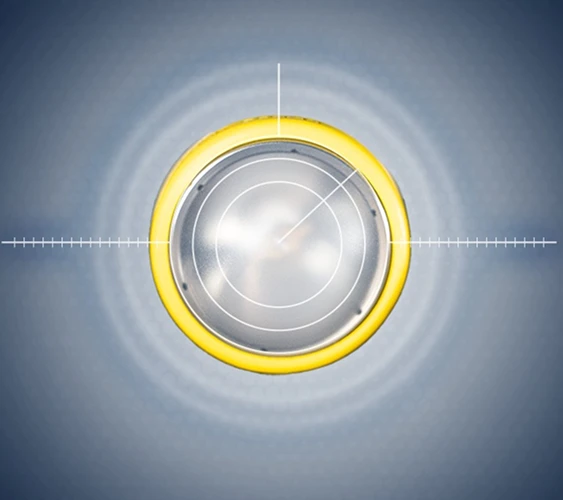
ShockWave Therapy increases blood flow, relaxes tight muscles, and quiets nerve sensitivity, making it a helpful option for those with pelvic pain and urinary symptoms linked to Interstitial Cystitis. And when paired with expert pelvic floor physical therapy, ShockWave becomes part of a more complete strategy. Together, these therapies address both the muscular restrictions and the functional patterns that fuel IC symptoms.
Advantages of Combining ShockWave Therapy with Physical Therapy for IC
- Improved Blood Flow and Tissue Response: ShockWave supports healing in pelvic tissues by encouraging circulation in areas affected by tension and inflammation.
- Pelvic Floor Relaxation and Recoordination: Physical therapy helps release overactive muscles and teaches your body to support bladder function without strain.
- More Sustainable Relief: While ShockWave reduces irritation and pain, physical therapy creates long-term change through breathwork, manual therapy, and guided movement.
- Drug-Free, Body-Based Support: This approach avoids reliance on medications and focuses on how your muscles, nerves, and bladder function together.
- Increased Daily Comfort: Easing the pelvic floor tension that drives urgency and pain can help you feel more at ease, whether you’re sitting, walking, or resting.

Client Testimonials
Conditions Commonly Associated with Interstitial Cystitis That We Treat With Shockwave Therapy
Interstitial Cystitis rarely exists in isolation. Many people experience overlapping pelvic pain conditions that contribute to ongoing bladder symptoms. Shockwave Therapy is used to address underlying tissue, muscle, and nervous system contributors that commonly accompany IC.
1. Pelvic Pain and Bladder-Adjacent Conditions
- Painful Bladder Syndrome
- Bladder hypersensitivity
- Urethral pain or burning
- Lower abdominal or bladder-area pain
- Chronic pelvic pain
These conditions are commonly driven by irritated tissues, altered circulation, and an overactive or sensitized nervous system. Shockwave Therapy helps improve blood flow, reduce tissue sensitivity, and calm pain signaling, making it an effective tool for addressing pelvic and bladder-adjacent pain patterns associated with IC.
2. Pelvic Floor and Myofascial Conditions
- Pelvic floor muscle overactivity or guarding
- Myofascial pelvic pain
- Trigger points in the pelvic floor, hips, or lower abdomen
- Levator ani–related pelvic pain
- Obturator internus–related pelvic pain
Many people with Interstitial Cystitis develop pelvic floor dysfunction that perpetuates pain and bladder symptoms. Shockwave Therapy is used to soften restricted tissue, improve circulation, and reduce muscle guarding. When combined with pelvic floor physical therapy, it supports improved muscle coordination and more sustainable symptom relief.
3. Sexual and Genital Pain Conditions
- Dyspareunia (pain with penetration)
- Vulvodynia
- Vestibulodynia
- Clitoral pain or hypersensitivity
- Post-orgasm pain
Sexual and genital pain conditions are often influenced by reduced tissue mobility, heightened sensitivity, and nervous system upregulation. Shockwave Therapy addresses these factors by improving tissue health and decreasing pain sensitivity, making it a valuable adjunct to hands-on pelvic floor treatment for sexual pain concerns.
4. Nerve-Related Pain Patterns
- Pudendal nerve irritation or neuralgia
- Peripheral nerve irritation within the pelvis
- Referred pain into the hips, thighs, or low back
While Shockwave Therapy is not applied directly to nerves, it is used to improve the health and mobility of surrounding tissues that often contribute to nerve irritation. By reducing local inflammation and mechanical restriction, shockwave helps calm irritated nerve pathways and reduce referred pain patterns.
5. Abdominal, Hip, and Scar-Related Contributors
- Lower abdominal or pelvic surgical scar restrictions
- C-section or hysterectomy scar sensitivity
- Hip or sacroiliac joint–related pelvic pain
- Chronic tension patterns affecting the pelvis
Restricted scars, joint dysfunction, and chronic tension patterns can continue to drive pelvic and bladder symptoms long after initial healing. Shockwave Therapy is used to improve tissue mobility, circulation, and comfort in these areas, helping reduce persistent contributors to pelvic pain within a comprehensive rehabilitation plan.
Get Relief Today
Discover the Benefits of Shockwave Therapy
ShockWave Therapy For Interstitial Cystitis
— Beyond Basics PT | Pelvic Floor Therapy NYC.
Frequently Asked Questions
How does ShockWave Therapy help with Interstitial Cystitis symptoms?
ShockWave Therapy gently improves circulation, calms nerve sensitivity, and softens tight pelvic floor muscles—all of which can reduce bladder pain, pressure, and urgency associated with IC.
Will the treatment hurt or make my symptoms worse?
Most clients describe the sensation as mild tapping or pulsing. It’s non-invasive and generally well tolerated. We always adjust the intensity based on your comfort and symptoms.
How many sessions will I need?
Relief builds over time. Some people feel better after a few sessions, while others benefit from a full series. We’ll personalize the plan based on how your body responds.
Is ShockWave Therapy safe if I’m very sensitive or flaring?
Yes. We work gently and customize treatment to your level of sensitivity. Many clients find that ShockWave helps bring down the intensity of flares over time.
Do I need a diagnosis of IC to start treatment?
Not necessarily. If you have pelvic pain, bladder discomfort, or symptoms that resemble IC, we’ll assess whether ShockWave Therapy is appropriate during your initial consultation.
Can I combine this with other treatments I’m already doing?
Yes. Many of our clients use ShockWave alongside medications, dietary strategies, or other therapies. We’ll help you create a plan that works with your current plan of care.

Your Complete Guide to Navigating Perimenopause
What is perimenopause, and when does it start? If you are between the ages of 35 and 45 and...
GLP-1 Medications and Pelvic Floor Health: What to Keep in Mind
GLP-1 medications are a class of prescription medications used to support blood sugar regulation,...
Shockwave Therapy
Living with chronic pain or an injury can be frustrating, especially when traditional treatments...