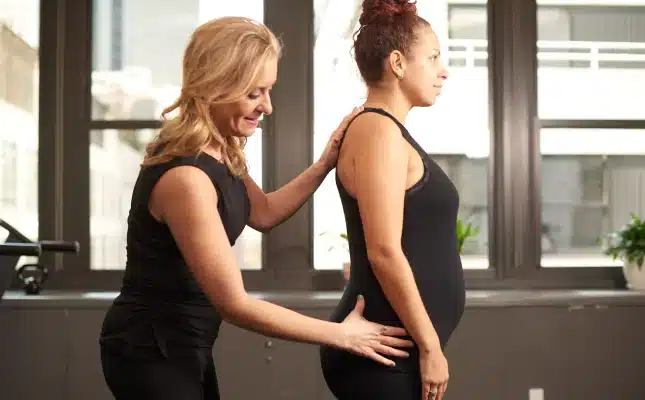
Perimenopause & Menopause Health Coaching in Brooklyn, NY
You are not alone in this transition.

Understanding Perimenopause and Menopause
Menopause is reached when a person has not had a menstrual period for 12 continuous months, marking the end of reproductive years. This change happens naturally as the ovaries gradually produce less of the hormones that once regulated the menstrual cycle, causing a steady decline in hormone levels. Yet even though it is expected, the symptoms many experience during this time can be uncomfortable and, at times, life‑altering.
At Beyond Basics, we provide compassionate support to help manage those symptoms through customized pelvic floor physical therapy, in‑depth education, and thoughtful lifestyle guidance that fits your needs.
The journey through menopause is generally divided into three stages:
- Perimenopause: Often occurring between the ages of 35 and 45, this stage is when hormonal levels begin to fluctuate noticeably. Those fluctuations can disrupt the usual rhythm of the menstrual cycle, leading to symptoms like irregular bleeding, unusually heavy or light flow, mood shifts, episodes of hot flashes, difficulty with sleep, reduced or altered sexual function, and concerns with bladder or bowel health.
- Menopause: This milestone is marked when menstruation has completely stopped for a continuous 12 months, signaling the closure of the reproductive phase of life.
- Postmenopause: This is the time after menopause, a phase in which some symptoms may remain but usually with reduced intensity.

Symptoms of Perimenopause and Menopause
For many people going through perimenopause or menopause, one statement says it all: “I don’t feel like myself anymore.” Those mood shifts, interrupted sleep patterns, or physical sensations you can’t quite name are not imagined—they are valid and deserve attention. Let’s break them apart and look at how thoughtful care and support can make a difference.
Every journey through this time of life is different. The changes are not limited to hot flashes, added weight, night sweats, or trouble staying asleep. These effects can last over an extended period, ranging from subtle to severe, and they can shape how someone feels day to day.
Common symptoms include:
- Vaginal or vulvar dryness
- Vaginal or vulvar burning
- Vulvar itching
- Sexual difficulty
- Pain during sex
- Increased urinary tract infections
- Pelvic floor muscle weakness
- Pelvic floor muscle overactivity
- Urinary incontinence and fecal incontinence
- Pelvic organ prolapse (when the bladder, uterus, small intestine, or rectum drops into the vaginal vault)
- Mood swings
- Tendon health concerns
- Osteoporosis
- Cardiac health concerns
- Musculoskeletal pain
Symptoms during this stage can show up in very different ways from person to person, with factors like existing medical conditions, personal routines, and other influences shaping how intense they feel. The positive takeaway is that through focused pelvic floor physical therapy and guided health coaching, many individuals find their symptoms greatly minimized or, in some situations, eliminated altogether.
Get help now from a pelvic floor physical therapist for Perimenopause and Menopause.
Physical Therapy Treatments for Perimenopause, Menopause, and Postmenopause
It’s not unusual for pelvic floor muscles to become either too weak or excessively tight during and after the menopausal transition, and this imbalance can create discomfort or disruptive symptoms. The solutions offered are highly individualized, with therapeutic exercises and supportive techniques selected according to your unique presentation. These can include:
- Pelvic floor muscle training to strengthen and restore function to the muscles
- Core exercises
- Strength training exercises
- Breathing exercises
- Postural correction
- Mobility work to improve range of motion
- Patient education on lifestyle modifications to decrease inflammation in the body
- Manual therapy techniques
- Changing toileting mechanics
- Use of pelvic floor tools (including vaginal weights, wands, and dilators)

Lifestyle Support Through Health Coaching
Beyond the hands‑on work of pelvic floor physical therapy, our coaching program is designed to support you in multiple areas that can have a significant impact throughout perimenopause and menopause, including:
- Nutrition and hydration strategies carefully chosen to enhance hormone balance and strengthen pelvic health
- Customized activity and movement schedules that maintain core strength and protect bones over time
- Sleep‑enhancing techniques that lead to better rest and improved recovery overnight
- Tools for reducing stress and cultivating mindfulness to support emotional health
- Coordinating closely with your current healthcare providers to build a unified care plan
- Offering referrals to clinicians who specialize in perimenopause and menopause for guidance on hormone therapy and other advanced options

Benefits of Physical Therapy and Health Coaching for Perimenopause and Menopause
With our full‑spectrum approach, we aim to help you:
- Improve how your pelvic floor muscles function and respond
- Reduce ongoing issues like vaginal pain, dryness, and persistent itching
- Decrease bladder problems, including urgency and frequent urination
- Improve bowel habits and address gastrointestinal discomfort
- Increase sexual comfort and overall functional satisfaction
- Strengthen key muscle groups for improved support and stability
- Preserve pelvic floor wellness over the long term
- Feel empowered with tools and education to keep symptoms from returning
- Experience a decline in hot flashes, excess weight changes, night sweats, and difficulty sleeping
You don’t have to figure it out alone.
We’ll create a personalized plan that fits your needs and goals.
What To Expect
During Your Initial Physical Therapy Appointment
If you’re traveling from Brooklyn to see us at Beyond Basics, your first appointment will be centered entirely on understanding your needs and making you feel supported from the start. We’ll begin by discussing your medical history, current symptoms, and overall health background. This open conversation gives us a full picture of what’s going on and how we can help.
After this, your physical therapist will perform a comprehensive exam, which may include a hands-on pelvic floor assessment based on the issues you’re experiencing. This could involve external and/or internal evaluation, depending on what’s necessary to get to the root of the problem. Our ultimate goal is to address the source of your discomfort and begin restoring function. You’ll also be given customized home exercises so your healing journey can start right away.
If you’re coming from Brooklyn, please know we honor your comfort above all. You always have the right to decline any part of the treatment process—no explanation needed.
During Your Additional Physical Therapy Appointments
We’re committed to delivering exceptional, whole-person care that addresses your specific needs and goals. The duration of each session is tailored based on your comfort level and the clinical guidance of your physical therapist.
Many patients notice a significant reduction in symptoms within the first two months—or even sooner.
Client Testimonials
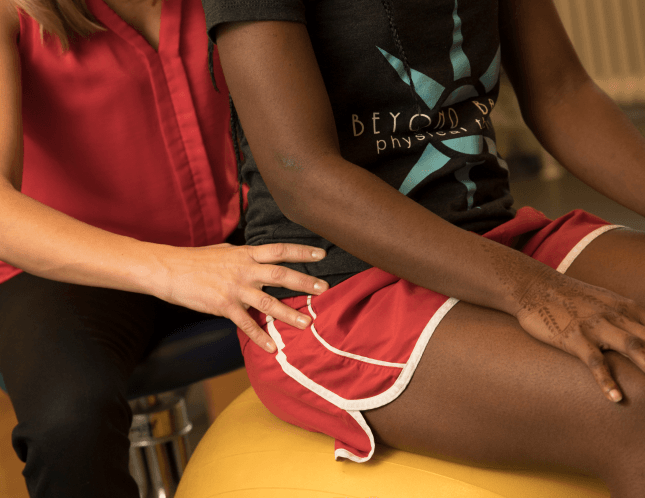
Beyond Basics: We Can Help
At Beyond Basics, we are proud to serve individuals from Brooklyn, NY, offering care for pelvic floor conditions with deep sensitivity to each person’s unique needs. No matter your sex, race, identity, age, or orientation, our approach treats you as a whole person through a thoughtful and comprehensive biopsychosocial model that prioritizes respect and understanding.
Since 2003, Beyond Basics has been recognized as a trusted destination for those seeking hope and healing. Even if you’re traveling in from Brooklyn, you can experience the benefits of our skilled and compassionate team. Under the guidance of founder Amy Stein and co‑founder Corey Hazama—both celebrated internationally as experts in pelvic floor therapy—we deliver care designed to restore harmony and balance to your body.
Our physical therapists are among the most highly trained in the world, carefully chosen for their advanced knowledge, genuine kindness, and dedication to practicing with empathy. We understand that many people from Brooklyn look for providers they can trust, and we are here to meet that need.
To achieve this level of excellence, our therapists have completed hundreds of hours of continuing education beyond their doctoral degrees, studying through respected institutions such as Herman and Wallace and the American Physical Therapy Association. Many also develop specialized skills reflecting their own professional interests, enriching the support we offer to clients who travel from Brooklyn. Read more about each of our therapists and discover how they can help you.
Get help now from a pelvic floor physical therapist for Perimenopause and Menopause.

Your Complete Guide to Navigating Perimenopause
What is perimenopause, and when does it start? If you are between the ages of 35 and 45 and...
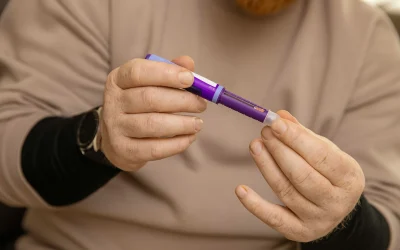
GLP-1 Medications and Pelvic Floor Health: What to Keep in Mind
GLP-1 medications are a class of prescription medications used to support blood sugar regulation,...

Shockwave Therapy
Living with chronic pain or an injury can be frustrating, especially when traditional treatments...
Frequently Asked Questions
What are the first signs of perimenopause?
One of the first things many notice is a shift in their menstrual cycle—periods that no longer follow a regular pattern, bleeding that feels different, or cycles that seem unpredictable. Along with that can come hot flashes, mood swings, restless nights, added pounds, vaginal dryness, and urinary urgency or occasional leakage.