

Birth Positions: Exploring Your Options
In this article:
- Why Your Position Matters When Pushing
- Every Pushing Stage Looks Different
- Pushing on Your Back: Supine, Semi-Reclined, and Lithotomy
- Upright Birth Positions
- Side-Lying Birth Position: A Supportive Option With an Epidural
- Kneeling and Hands-and-Knees Positions for Back Pain in Labor
- So, What Position Should You Give Birth In?
- Preparing for Birth With Pelvic Floor Physical Therapy
- Common Questions
Why Your Position Matters When Pushing
- A shorter pushing stage
- A lower chance of needing forceps or a vacuum
- Less need for an episiotomy
- Fewer abnormal fetal heart rate patterns
If you do have an episiotomy or a tear, our article on what to do about scars from childbirth explains what recovery looks like.
Every Pushing Stage Looks Different
Pushing looks different for everyone. You may feel a strong urge to push, or your team may coach you through it. An epidural can reduce sensation and change which positions feel comfortable. You may also rest while your baby moves down before you actively push. Changing positions along the way is common.
That’s why no single position works best for every birth. Knowing your options helps you find what feels right in the moment.
Prenatal pelvic floor physical therapy can help you practice breathing and coordination for pushing. Learn how we help you prepare for birth.
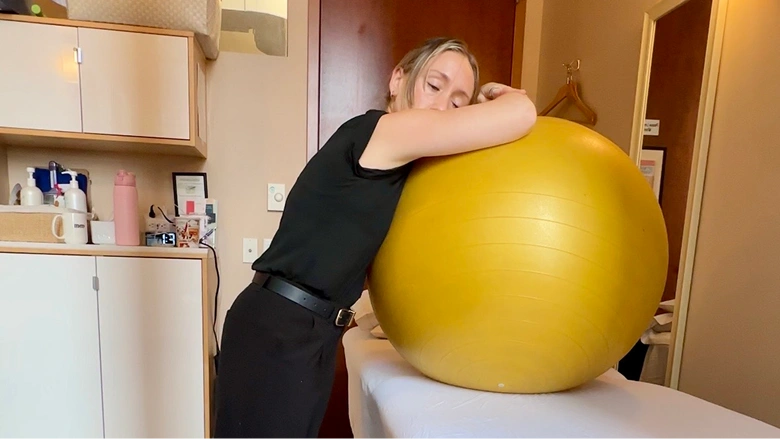
Pushing on Your Back: Supine, Semi-Reclined, and Lithotomy
Upright Birth Positions
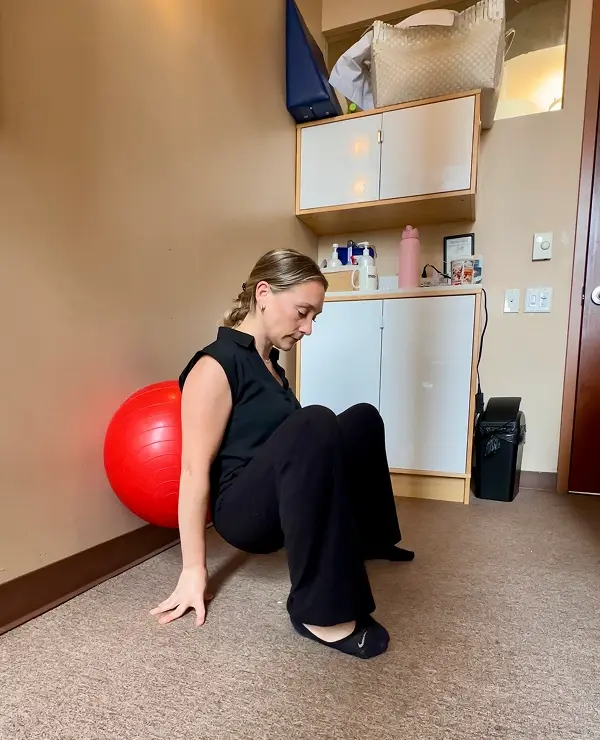
Staying upright lets gravity help your baby move down and gives your pelvis more freedom to move. Squatting bends your hips deeply, which may open up extra space in the pelvis. As we covered in our post questioning common labor positions, the way you position your hips and knees can change how much room your baby has.
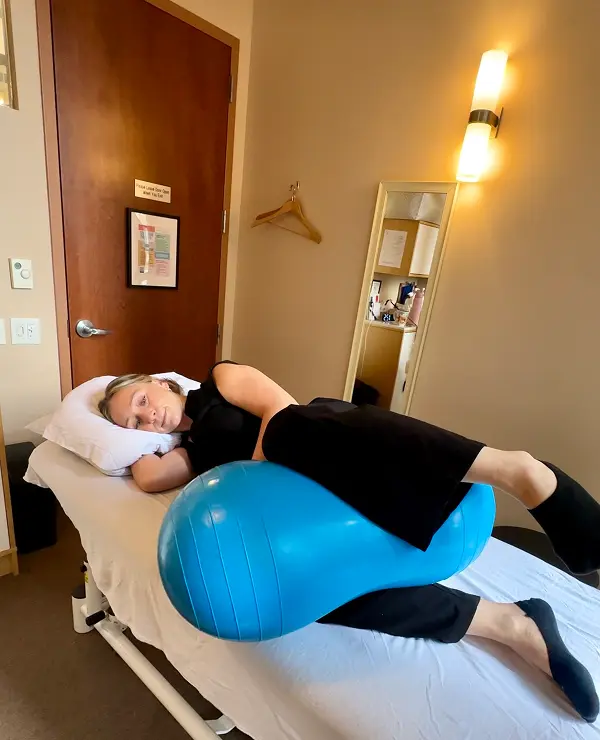
Side-Lying Birth Position: A Supportive Option With an Epidural
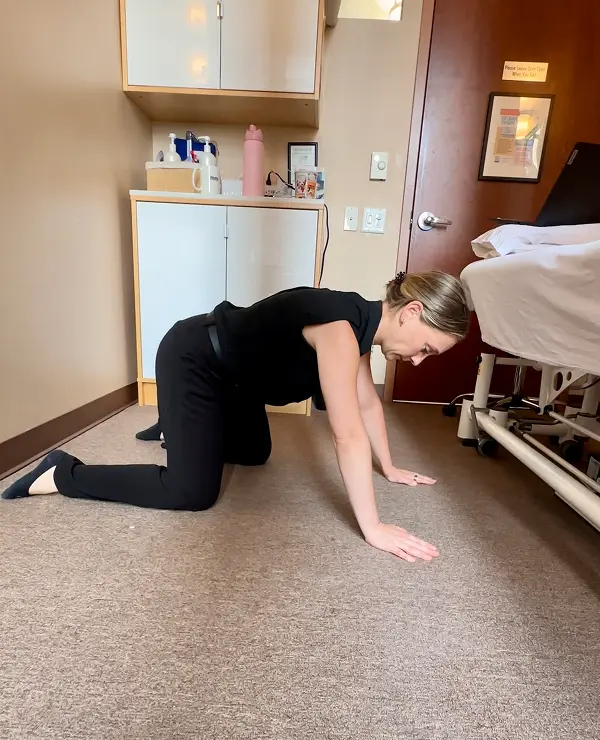
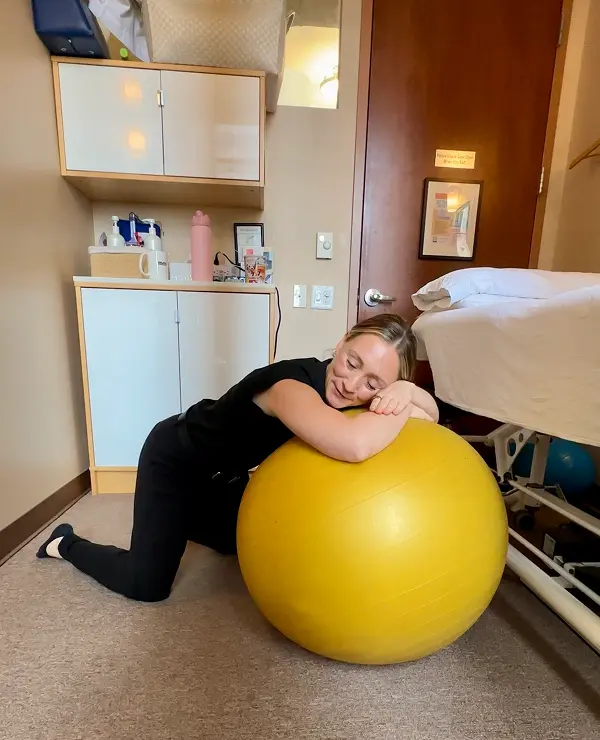
Kneeling and Hands-and-Knees Positions for Back Pain in Labor
So, What Position Should You Give Birth In?
Preparing for Birth With Pelvic Floor Physical Therapy
Beyond Basics Physical Therapy offers pregnancy and postpartum care in NYC. Prenatal sessions can include breathing and pelvic floor coordination to help you prepare for pushing. See us in person in Midtown or Downtown NY, or book a virtual visit.
Common Questions about Birth Positions
Can I change positions if I have an epidural?
What is a birthing stool?

What to read next

Your Complete Guide to Navigating Perimenopause
What is perimenopause, and when does it start? If you are between the ages of 35 and 45 and...
GLP-1 Medications and Pelvic Floor Health: What to Keep in Mind
GLP-1 medications are a class of prescription medications used to support blood sugar regulation,...

Shockwave Therapy
Living with chronic pain or an injury can be frustrating, especially when traditional treatments...

Pelvic Floor Dysfunction
Pelvic floor dysfunction can be more than just a physical challenge—it can affect your daily life...

How the Mind-Body Connection Impacts Pelvic Health: A PT’s Perspective
I remember when I first started treating the pelvic floor population, one of the first patients I...

Building Core Strength Without Harming Your Pelvic Floor
Today, let’s talk about our core. This blog is intended to be a helpful guide for those who are...

An Introduction to Low Pressure Fitness Training and Hypopressives
Are you an athlete? Someone who loves to move and try new forms of workouts? Someone who is...

Magnesium & Pelvic Health: The Essential Mineral You Might Be Missing
So, what exactly is magnesium? Is it the chemical element on the periodic table or the ingredient...