Care For All Bodies
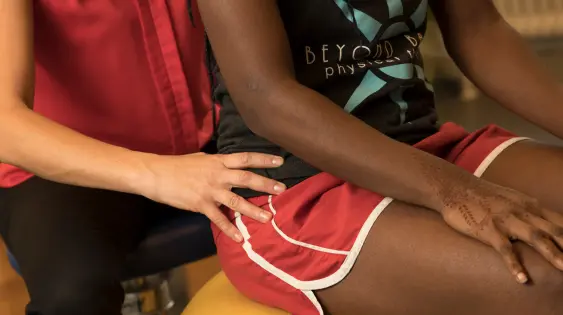
For nearly two decades, Beyond Basics has focused on comprehensive care for pelvic pain and pelvic floor dysfunction in individuals of all ages in Queens. In the early years, very few therapists worldwide were trained in pelvic floor physical therapy, and those who practiced it offered only limited interventions. Today, our clinic is recognized as one of the few globally that connects pelvic care with the rest of the body, enabling a holistic approach that treats the person as a whole and promotes true functional recovery.
With the extensive expertise and advanced certifications held by our physical therapists, we can support your healing and restore function, regardless of where pain or dysfunction is present in your body. Each patient in Queens receives a highly personalized treatment plan designed to meet their specific needs and recovery goals.
Beyond Basics Physical Therapy is committed to creating and maintaining a culture of diversity, equality, and inclusion. Every patient in Queens is respected, valued, and welcomed, and our clinic enforces strict policies against any actions that would compromise the safety or inclusivity of our space.
We Understand Pelvic Floor Health
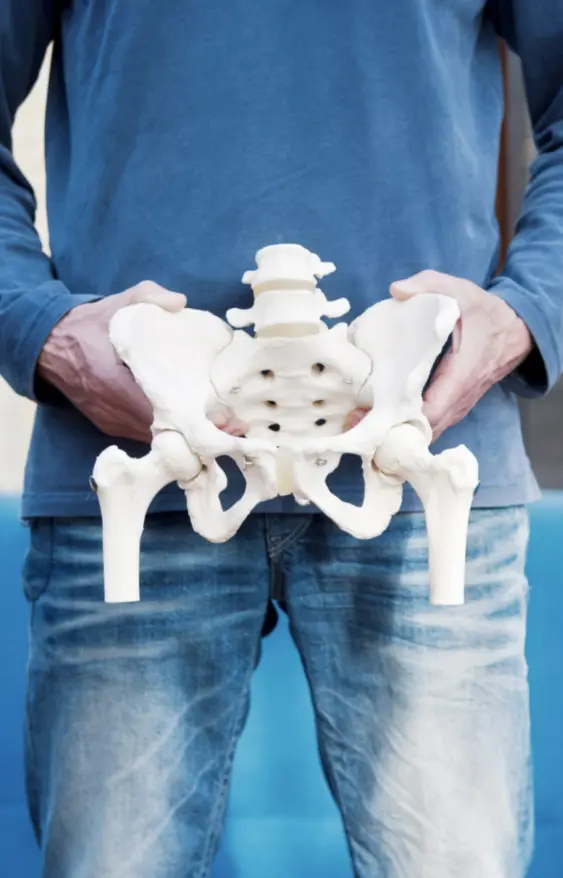
Anatomy of the Pelvic Floor
Function of the Pelvic Floor
- Bladder
- Uterus
- Rectum
- Bowel and bladder movements
- Functionality during sexual intercourse
- Blood circulation in the pelvic area
Our familiarity with the various functions of the pelvic floor guides us in formulating strategies that provide meaningful and lasting relief from dysfunction.
Causes Of Pelvic Floor Dysfunction
-
Childbirth:
Labor and delivery, especially in cases with prolonged duration or the use of tools like forceps, can affect pelvic floor strength and functionality.
-
Chronic Constipation:
Straining consistently during bowel movements can gradually weaken the pelvic floor muscles, affecting overall performance.
-
Pelvic Surgery:
Surgical procedures in the pelvic area can result in nerve or tissue changes that impact how the pelvic floor functions.
-
Age-related Changes:
Over the years, pelvic floor muscles naturally lose tone and elasticity, which can alter their ability to provide support.
-
Obesity:
Long-term excess body weight can increase strain on the pelvic floor, diminishing muscle efficiency and stability.
— CONDITIONS WE TREAT
- Bladder and Bowel Disorders
- Endometriosis
- Lymphatic Drainage
- Menopause
- Orthopedic Issues
- Pediatric Health Services
- Pelvic Pain and Dysfunction
- Pelvic Pain in People with Male Anatomy
- Postsurgical Needs
- Pregnancy and Postpartum
- Sexual Pain and Dysfunction and Reproductive Health
Bladder and Bowel Disorders
Urgency and Frequency Of Urination
Urinary Incontinence or Retention Of Urine
Prolapse
Benign Prostate Hypertrophy (BPH)
Interstitial Cystitis / Painful Bladder Syndrome
Abdominal Pain and / or Bloating
Constipation, Straining, Incomplete Emptying
Irritable Bowel Syndrome (IBS)
Fecal Incontinence
Endometriosis
Pelvic Pain
Painful Periods
Pain During Intercourse
Pain During Urination or Bowel Movements
Heavy Menstrual Bleeding
Bladder Issues
Digestive Issues
Lymphatic Drainage
Swelling In Upper and Lower Extremities and / or Genitals
Pelvic Congestion
Swelling In Abdomen Related To Constipation
Chronic Venous Insufficiency
Painful Varicose Veins
Menopause
Vaginal or Vulvar Dryness
Vaginal or Vulvar Burning
Vulvar Itching
Sexual Difficulty
Pain During Sex
Increased Urinary Tract Infections
Pelvic Floor Muscle Weakness
Pelvic Floor Muscle Overactivity
Urinary Incontinence and Fecal Incontinence
Pelvic Organ Prolapse
Orthopedic Issues
Chronic Muscle or Joint Pain
Acute Injuries
Temporal Mandibular Pain / Dysfunction (TMJ)
Pediatric Orthopedic Conditions
Groin / Adductor or Other Muscle Strains In The Pelvic Region
Low Back Pain
Neck Pain
Labral Tears or Other Injuries Of The Hip Joint
Pediatric Health Services
Daytime Urinary Incontinence
Bowel Incontinence
Bed-wetting
Constipation and Painful Bowel Movements
Abdominal Pain and Bloating
Orthopedic and Sports Injuries
Go To Pediatric & Adolescent Health Services Page
Book An Appointment
Pelvic Pain and Dysfunction
Pelvic Muscle Dysfunction
Pelvic Pain
Non-bacterial Prostatitis / Chronic Pelvic Pain
Pelvic Congestion
Vulvodynia / Vestibulodynia / Clitorodynia
Prostatodynia
Testicular and Penile Pain
Premature Ejaculation
Decreased Arousal
Pain In Perineum
Pudendal Neuralgia and Other Neuralgia / Neuritis Of Abdomino-pelvic Nerves
Groin Pain, Coccyx Pain, Back Pain, Hip Pain
Pediatric Pain and Dysfunction
Pelvic Pain in People with Male Anatomy
Pain with sitting
Pain at scrotum or testicles
Abdominal sensitivity or pain
Sensitivity at tip of penis
Penile changes – such as “shrink” or doesn’t enlarge like it used to
Erectile dysfunction
Go To Pelvic Pain in People with Male Anatomy Service Page
Book An Appointment
Postsurgical Needs
Post-abdominal Surgery Care (Such As Hernia Surgery or Endometriosis Excision Surgery)
Pelvic Surgery Care
Post-prostatectomy Care
After Labral Tear Repair Of The Hip
Pregnancy and Postpartum
Prenatal Health
Post-pregnancy Recovery
Pregnancy-related Back Pain
Incontinence
Diastasis Recti
Painful C-section, Tearing, Episiotomy Scars
Back To Exercise or Running
Sexual Pain and Dysfunction and Reproductive Health
Pain or Difficulty With Orgasm
Erectile Dysfunction
Premature Ejaculation
Decreased Arousal
Persistent Genital Arousal Disorder (PGAD)
Pain With Intercourse (dyspareunia)
Endometriosis
Symptoms Related To Perimenopause or Menopause
Dysmenorrhea (Painful Menstruation)
— CONDITIONS WE TREAT
Bladder and Bowel Disorders
Urgency and Fequency Of Urination
Urinary Incontinence or Retention Of Urine
Prolapse
Benign Prostate Hypertrophy (BPH)
Interstitial Cystitis / Painful Bladder Syndrome
Abdominal Pain and / or Bloating
Constipation, Straining, Incomplete Emptying
Irritable Bowel Syndrome (IBS)
Fecal Incontinence
Endometriosis
Pelvic Pain
Painful Periods
Pain During Intercourse
Pain During Urination or Bowel Movements
Heavy Menstrual Bleeding
Bladder Issues
Digestive Issues
Lymphatic Drainage.
After Lymph Node Removal
Swelling In Upper and Lower Extremities and / or Genitals
Pelvic Congestion
Swelling In Abdomen Related To Constipation
Chronic Venous Insufficiency
Painful Varicose Veins
Menopause
Vaginal or Vulvar Dryness
Vaginal or Vulvar Burning
Vulvar Itching
Sexual Difficulty
Pain During Sex
Increased Urinary Tract Infections
Pelvic Floor Muscle Weakness
Pelvic Floor Muscle Overactivity
Urinary Incontinence and Fecal Incontinence
Pelvic Organ Prolapse
Orthopedic Issues
Chronic Muscle or Joint Pain
Acute Injuries
Temporal Mandibular Pain / Dysfunction (TMJ)
Pediatric Orthopedic Conditions
Groin / Adductor or Other Muscle Strains In The Pelvic Region
Low Back Pain
Neck Pain
Labral Tears or Other Injuries Of The Hip Joint
Pediatric Health Services
Daytime Urinary Incontinence
Bowel Incontinence
Bed-wetting
Constipation and Painful Bowel Movements
Abdominal Pain and Bloating
Orthopedic and Sports Injuries
Pelvic Pain and Dysfunction
Pelvic Muscle Dysfunction
Pelvic Pain
Non-bacterial Prostatitis / Chronic Pelvic Pain
Pelvic Congestion
Vulvodynia / Vestibulodynia / Clitorodynia
Prostatodynia
Testicular and Penile Pain
Premature Ejaculation
Decreased Arousal
Pain In Perineum
Pudendal Neuralgia and Other Neuralgia / Neuritis Of Abdomino-pelvic Nerves
Groin Pain, Coccyx Pain, Back Pain, Hip Pain
Pediatric Pain and Dysfunction
Pelvic Pain in People with Male Anatomy
Pain with sitting
Pain at scrotum or testicles
Abdominal sensitivity or pain
Sensitivity at tip of penis
Penile changes – such as “shrink” or doesn’t enlarge like it used to
Erectile dysfunction
Postsurgical Needs
Post-abdominal Surgery Care (Such As Hernia Surgery or Endometriosis Excision Surgery)
Pelvic Surgery Care
Post-prostatectomy Care
After Labral Tear Repair Of The Hip
Pregnancy and Postpartum
Prenatal Health
Post-pregnancy Recovery
Pregnancy-related Back Pain
Incontinence
Diastasis Recti
Painful C-section, Tearing, Episiotomy Scars
Back To Exercise or Running
Sexual Pain and Dysfunction and Reproductive Health
Pain or Difficulty With Orgasm
Erectile Dysfunction
Premature Ejaculation
Decreased Arousal
Persistent Genital Arousal Disorder (PGAD)
Pain With Intercourse (dyspareunia)
Endometriosis
Symptoms Related To Perimenopause or Menopause
Dysmenorrhea (Painful Menstruation)
Services And Treatment Options
Evaluation and Diagnosis
Individualized Treatment Plans
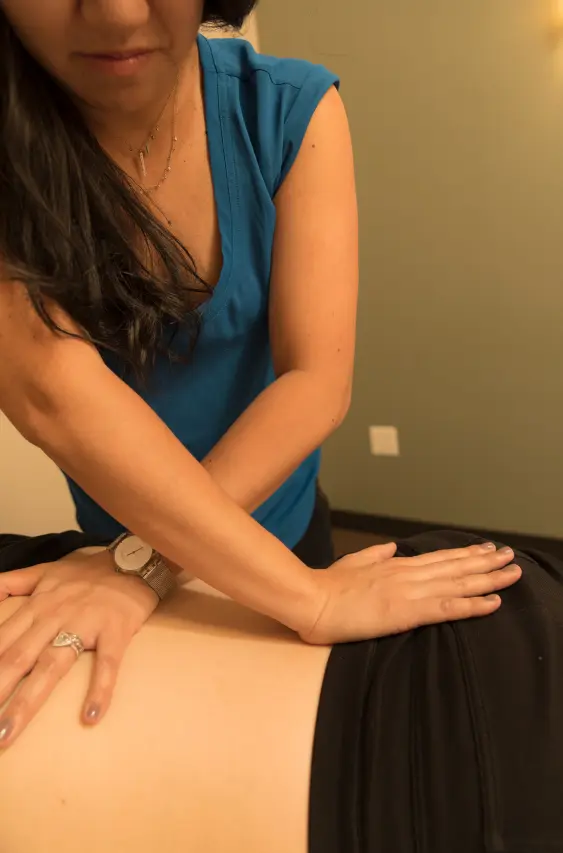
Our therapists are highly trained in a wide array of treatment techniques, using internal and external manual therapies such as myofascial release, trigger point release, connective tissue work, and craniosacral therapy. When indicated, we can gently mobilize the pelvic organs themselves to improve overall function and well-being.
We also integrate biofeedback into care plans, helping patients retrain muscles and providing structured exercises for use at home, allowing progress to continue between therapy sessions.
When necessary, therapy may include modalities such as cold laser treatment, temperature-based therapies, electrical stimulation, and transcutaneous electrical nerve stimulation to enhance treatment outcomes.
Neuromuscular re-education is a primary component of our approach, focusing on exercises that rebuild coordination and strength for essential movements like sitting, walking, and standing, promoting pain-free function and reducing the likelihood of reinjury.
We work closely with referring physicians and healthcare providers to create personalized exercise programs tailored to the individual’s specific condition. Our team also dedicates time weekly to ongoing education, staying current with the latest research and techniques in pelvic floor rehabilitation.