

Care For All Bodies
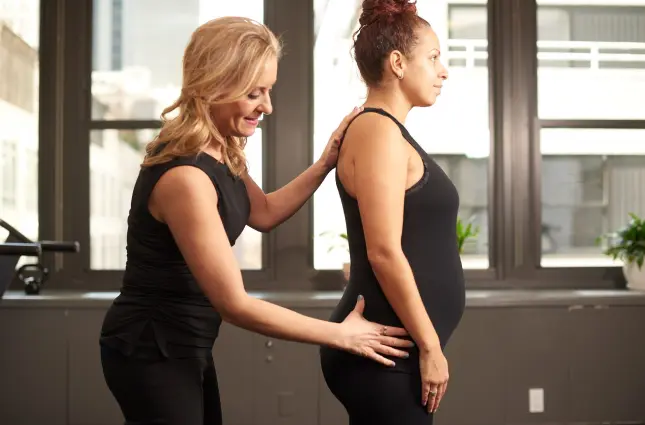
For nearly 20 years, Beyond Basics has been devoted to providing comprehensive care for pelvic pain and pelvic floor dysfunction for all individuals, including children, in Midtown. When we began, only a few therapists worldwide addressed pelvic floor physical therapy, and even then, it was in a very limited way. Today, our practice stands out as one of the few globally that has successfully bridged the connection between the pelvic region and the rest of the body, allowing us to approach healing in a holistic manner that considers the whole person.
With the extensive experience of our physical therapists and the numerous advanced certifications they have earned, we are prepared to help you recover and regain function, no matter where pain or dysfunction may be present in your body. Every session is personalized to meet your individual needs and goals, ensuring the most effective care for your Midtown-based journey toward wellness.
At Beyond Basics Physical Therapy, we are deeply committed to cultivating a culture of diversity, equality, and inclusion. Every patient in Midtown is welcome, respected, and valued here. Our team ensures that your experience is safe and supportive, and any behavior inconsistent with fostering an inclusive environment will not be tolerated.

We Understand Pelvic Floor Health
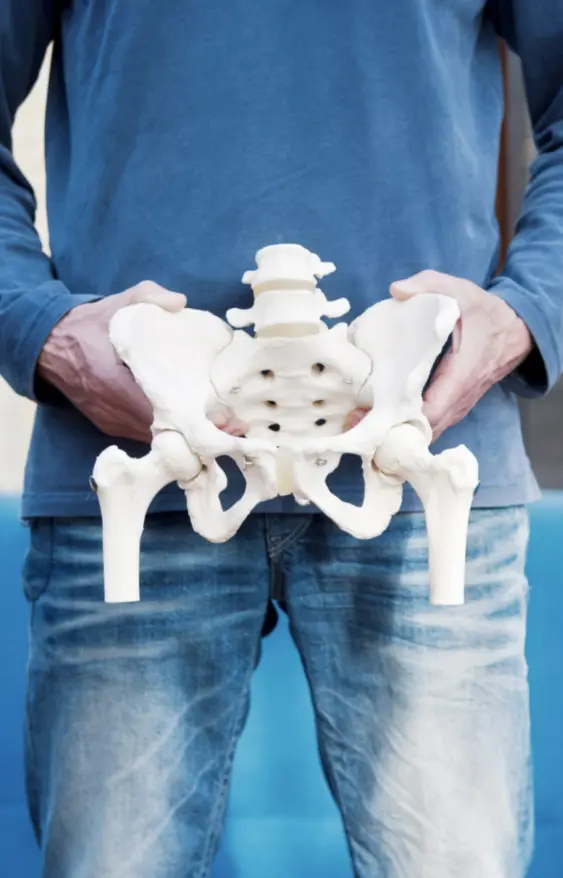
Anatomy of the Pelvic Floor
Function of the Pelvic Floor
- Bladder
- Uterus
- Rectum
- Bowel and bladder movements
- Functionality during sexual intercourse
- Blood circulation in the pelvic area
Our deep knowledge of the diverse roles the pelvic floor plays enables us to create precise and impactful treatment approaches for addressing dysfunction in this area.
Causes Of Pelvic Floor Dysfunction
-
Childbirth:
Experiences during childbirth, particularly prolonged labor or the use of instruments like forceps, can place stress on the pelvic floor muscles and alter their function.
-
Chronic Constipation:
Repeated straining over time during bowel movements can weaken the pelvic floor muscles and contribute to dysfunction.
-
Pelvic Surgery:
Surgeries performed in the pelvic area may cause scarring or nerve complications, which can interfere with the normal function of the pelvic floor.
-
Age-related Changes:
As people age, natural wear and gradual weakening of pelvic floor muscles can occur, affecting strength and stability.
-
Obesity:
Carrying excess body weight over time increases pressure on the pelvic floor, which can lead to strain and diminished muscle support.
— CONDITIONS WE TREAT
- Bladder and Bowel Disorders
- Endometriosis
- Lymphatic Drainage
- Menopause
- Orthopedic Issues
- Pediatric Health Services
- Pelvic Pain and Dysfunction
- Pelvic Pain in People with Male Anatomy
- Postsurgical Needs
- Pregnancy and Postpartum
- Sexual Pain and Dysfunction and Reproductive Health
Bladder and Bowel Disorders
Urgency and Frequency Of Urination
Urinary Incontinence or Retention Of Urine
Prolapse
Benign Prostate Hypertrophy (BPH)
Interstitial Cystitis / Painful Bladder Syndrome
Abdominal Pain and / or Bloating
Constipation, Straining, Incomplete Emptying
Irritable Bowel Syndrome (IBS)
Fecal Incontinence
Endometriosis
Pelvic Pain
Painful Periods
Pain During Intercourse
Pain During Urination or Bowel Movements
Heavy Menstrual Bleeding
Bladder Issues
Digestive Issues
Lymphatic Drainage
Swelling In Upper and Lower Extremities and / or Genitals
Pelvic Congestion
Swelling In Abdomen Related To Constipation
Chronic Venous Insufficiency
Painful Varicose Veins
Menopause
Vaginal or Vulvar Dryness
Vaginal or Vulvar Burning
Vulvar Itching
Sexual Difficulty
Pain During Sex
Increased Urinary Tract Infections
Pelvic Floor Muscle Weakness
Pelvic Floor Muscle Overactivity
Urinary Incontinence and Fecal Incontinence
Pelvic Organ Prolapse

Orthopedic Issues
Chronic Muscle or Joint Pain
Acute Injuries
Temporal Mandibular Pain / Dysfunction (TMJ)
Pediatric Orthopedic Conditions
Groin / Adductor or Other Muscle Strains In The Pelvic Region
Low Back Pain
Neck Pain
Labral Tears or Other Injuries Of The Hip Joint
Pediatric Health Services
Daytime Urinary Incontinence
Bowel Incontinence
Bed-wetting
Constipation and Painful Bowel Movements
Abdominal Pain and Bloating
Orthopedic and Sports Injuries
Go To Pediatric & Adolescent Health Services Page
Book An Appointment
Pelvic Pain and Dysfunction
Pelvic Muscle Dysfunction
Pelvic Pain
Non-bacterial Prostatitis / Chronic Pelvic Pain
Pelvic Congestion
Vulvodynia / Vestibulodynia / Clitorodynia
Prostatodynia
Testicular and Penile Pain
Premature Ejaculation
Decreased Arousal
Pain In Perineum
Pudendal Neuralgia and Other Neuralgia / Neuritis Of Abdomino-pelvic Nerves
Groin Pain, Coccyx Pain, Back Pain, Hip Pain
Pediatric Pain and Dysfunction
Pelvic Pain in People with Male Anatomy
Pain with sitting
Pain at scrotum or testicles
Abdominal sensitivity or pain
Sensitivity at tip of penis
Penile changes – such as “shrink” or doesn’t enlarge like it used to
Erectile dysfunction
Go To Pelvic Pain in People with Male Anatomy Service Page
Book An Appointment
Postsurgical Needs
Post-abdominal Surgery Care (Such As Hernia Surgery or Endometriosis Excision Surgery)
Pelvic Surgery Care
Post-prostatectomy Care
After Labral Tear Repair Of The Hip
Pregnancy and Postpartum
Prenatal Health
Post-pregnancy Recovery
Pregnancy-related Back Pain
Incontinence
Diastasis Recti
Painful C-section, Tearing, Episiotomy Scars
Back To Exercise or Running
Sexual Pain and Dysfunction and Reproductive Health
Pain or Difficulty With Orgasm
Erectile Dysfunction
Premature Ejaculation
Decreased Arousal
Persistent Genital Arousal Disorder (PGAD)
Pain With Intercourse (dyspareunia)
Endometriosis
Symptoms Related To Perimenopause or Menopause
Dysmenorrhea (Painful Menstruation)
— CONDITIONS WE TREAT
Bladder and Bowel Disorders
Urgency and Fequency Of Urination
Urinary Incontinence or Retention Of Urine
Prolapse
Benign Prostate Hypertrophy (BPH)
Interstitial Cystitis / Painful Bladder Syndrome
Abdominal Pain and / or Bloating
Constipation, Straining, Incomplete Emptying
Irritable Bowel Syndrome (IBS)
Fecal Incontinence
Endometriosis
Pelvic Pain
Painful Periods
Pain During Intercourse
Pain During Urination or Bowel Movements
Heavy Menstrual Bleeding
Bladder Issues
Digestive Issues
Lymphatic Drainage.
After Lymph Node Removal
Swelling In Upper and Lower Extremities and / or Genitals
Pelvic Congestion
Swelling In Abdomen Related To Constipation
Chronic Venous Insufficiency
Painful Varicose Veins
Menopause
Vaginal or Vulvar Dryness
Vaginal or Vulvar Burning
Vulvar Itching
Sexual Difficulty
Pain During Sex
Increased Urinary Tract Infections
Pelvic Floor Muscle Weakness
Pelvic Floor Muscle Overactivity
Urinary Incontinence and Fecal Incontinence
Pelvic Organ Prolapse
Orthopedic Issues
Chronic Muscle or Joint Pain
Acute Injuries
Temporal Mandibular Pain / Dysfunction (TMJ)
Pediatric Orthopedic Conditions
Groin / Adductor or Other Muscle Strains In The Pelvic Region
Low Back Pain
Neck Pain
Labral Tears or Other Injuries Of The Hip Joint
Pediatric Health Services
Daytime Urinary Incontinence
Bowel Incontinence
Bed-wetting
Constipation and Painful Bowel Movements
Abdominal Pain and Bloating
Orthopedic and Sports Injuries
Pelvic Pain and Dysfunction
Pelvic Muscle Dysfunction
Pelvic Pain
Non-bacterial Prostatitis / Chronic Pelvic Pain
Pelvic Congestion
Vulvodynia / Vestibulodynia / Clitorodynia
Prostatodynia
Testicular and Penile Pain
Premature Ejaculation
Decreased Arousal
Pain In Perineum
Pudendal Neuralgia and Other Neuralgia / Neuritis Of Abdomino-pelvic Nerves
Groin Pain, Coccyx Pain, Back Pain, Hip Pain
Pediatric Pain and Dysfunction
Pelvic Pain in People with Male Anatomy
Pain with sitting
Pain at scrotum or testicles
Abdominal sensitivity or pain
Sensitivity at tip of penis
Penile changes – such as “shrink” or doesn’t enlarge like it used to
Erectile dysfunction
Postsurgical Needs
Post-abdominal Surgery Care (Such As Hernia Surgery or Endometriosis Excision Surgery)
Pelvic Surgery Care
Post-prostatectomy Care
After Labral Tear Repair Of The Hip
Pregnancy and Postpartum
Prenatal Health
Post-pregnancy Recovery
Pregnancy-related Back Pain
Incontinence
Diastasis Recti
Painful C-section, Tearing, Episiotomy Scars
Back To Exercise or Running
Sexual Pain and Dysfunction and Reproductive Health
Pain or Difficulty With Orgasm
Erectile Dysfunction
Premature Ejaculation
Decreased Arousal
Persistent Genital Arousal Disorder (PGAD)
Pain With Intercourse (dyspareunia)
Endometriosis
Symptoms Related To Perimenopause or Menopause
Dysmenorrhea (Painful Menstruation)
Services And Treatment Options
Evaluation and Diagnosis
Individualized Treatment Plans
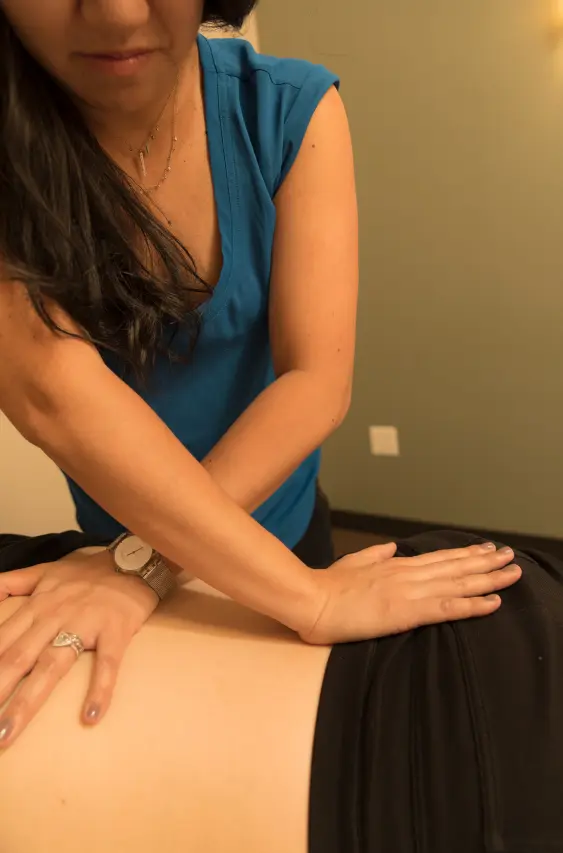
Our physical therapists are trained in a comprehensive array of treatments, utilizing both internal and external manual techniques such as myofascial release, trigger point therapy, connective tissue manipulation, and craniosacral methods. When necessary, we can gently mobilize the pelvic organs themselves to enhance function and improve overall mobility.
We also use strategies like biofeedback to retrain muscles, offering guidance for exercises and practices that patients can perform at home to maintain progress between sessions.
Additionally, we incorporate supportive modalities when appropriate, including cold laser therapy, heat and cold treatments, electrical stimulation, and transcutaneous electrical nerve stimulation, to complement hands-on care.
A cornerstone of our practice is neuromuscular re-education, which emphasizes exercises designed to restore coordination and muscle function for daily activities such as walking, sitting, and standing, promoting comfort and reducing risk of reinjury.
We collaborate closely with referring healthcare providers to develop personalized exercise programs specific to each patient’s needs. Moreover, our team dedicates time weekly to continuing education, ensuring we remain current with the latest research and therapeutic advancements.